France and Poland Collaborate on Military Satellite to Challenge Starlink Dominance
France and Poland announce joint construction of a secure military satellite, aiming to reduce European reliance on Starlink and bolster defense autonomy.
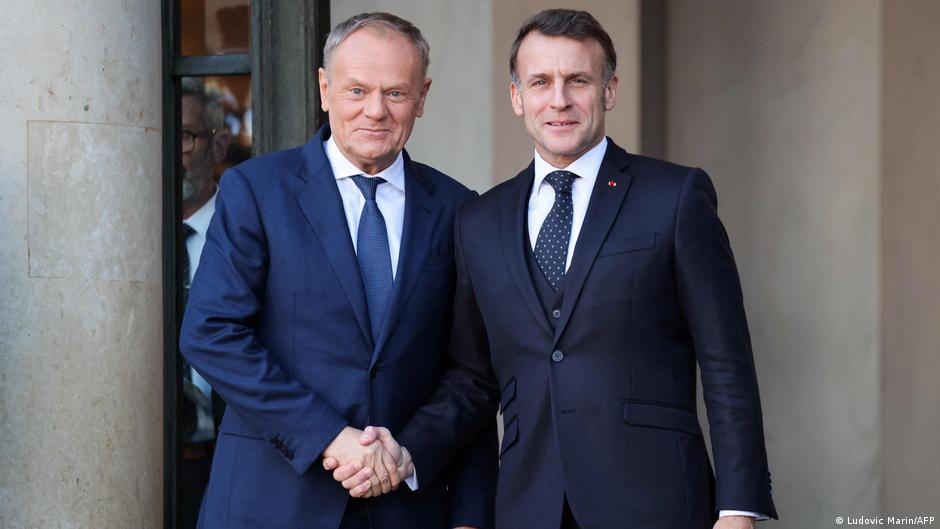
In a significant development for European defense and technology, France and Poland have unveiled plans to jointly build a military satellite dedicated to providing secure communication channels for the Polish armed forces. The announcement was made during a meeting in Gdańsk between French President Emmanuel Macron and Polish Prime Minister Donald Tusk on April 20.
Strategic Collaboration Amid Rising Geopolitical Tensions
The joint project involves leading aerospace and defense companies including Thales Alenia Space, Airbus Defence and Space, and Polish firm RADMOR. The satellite initiative aligns with the European Commission’s broader defense strategy, which aims for the European Union to develop sufficient autonomous defense capabilities by 2030. Although financial details remain undisclosed, the collaboration represents a strategic move to enhance European sovereignty in space-based military communications.
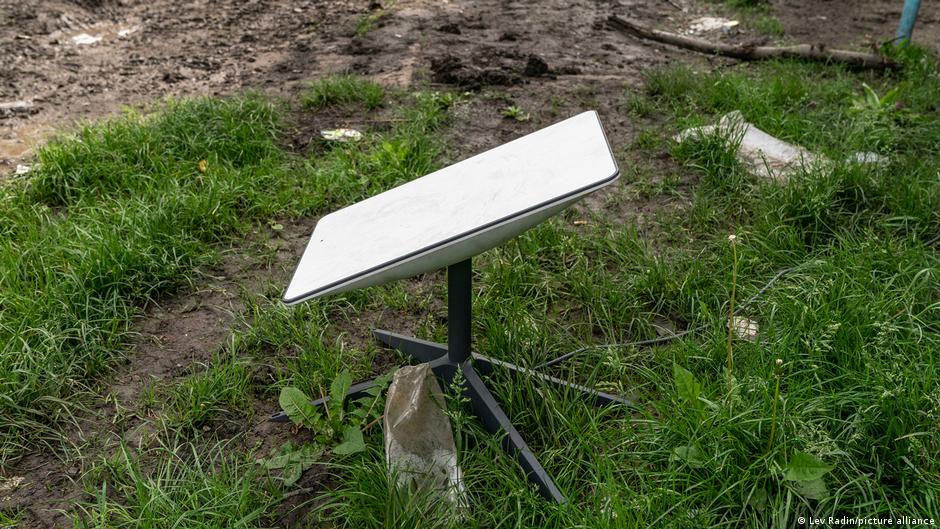
This project is viewed as a direct response to the current reliance on SpaceX’s Starlink satellite network, a US-based service owned by Elon Musk. European officials have expressed concerns over the political unpredictability associated with Starlink’s operator, prompting a push for indigenous alternatives that can guarantee secure and politically stable communication for military operations.
“Europe aims to reduce dependency on foreign satellite systems to ensure secure military communications amidst an evolving geopolitical landscape,” the joint statement from Macron and Tusk emphasized.
For Washington and US businesses, this development underscores growing European efforts to assert strategic independence in critical defense technologies. While SpaceX’s Starlink has been a vital asset globally, especially in conflict zones, the emergence of European alternatives could signal a shift in future contracts and influence over satellite communications infrastructure.
Broader Defense and Energy Discussions
During the Gdańsk meeting, Macron and Tusk also discussed wider defense matters, including nuclear deterrence and energy security. They highlighted the European Union’s Security Action for Europe (SAFE) initiative—a fund dedicated to investing in European defense projects.
Moreover, the two leaders agreed on pursuing enhanced cooperation in missile defense, long-range weaponry, and early warning systems against missile attacks. These efforts reflect a comprehensive approach to strengthening Europe’s defense posture, which may have implications for transatlantic defense partnerships and procurement strategies involving US defense contractors.
As Europe moves to fortify its military infrastructure with indigenous technology, the US business landscape could see adjustments in collaboration, competition, and supply chain dynamics. American companies engaged in satellite communications and defense manufacturing may need to adapt to these evolving priorities and explore new avenues for partnership.
In summary, the France-Poland military satellite project marks a pivotal step in Europe's quest for defense autonomy, with potential ripple effects on US business interests and the geopolitical balance of space-based military technologies.