Tashkent Markets Show Strong Profit Growth in 2025 With Mixed Results Across Sectors
Tashkent’s agricultural and automotive markets exhibit significant profit increases in 2025, highlighting shifting economic dynamics with implications for foreign investors.
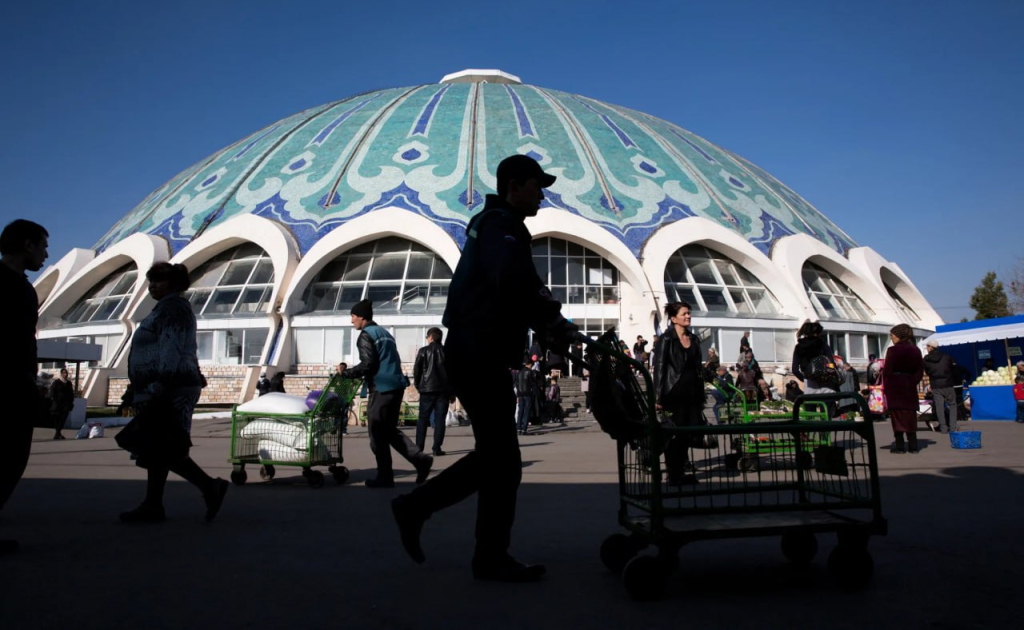
Tashkent's markets experienced notable financial growth in 2025, with most agricultural bazaars significantly increasing their profits compared to the previous year. These developments offer insights into the evolving economic landscape of Uzbekistan’s capital, which could influence foreign investment and trade strategies, including those of American companies operating in Central Asia.
Profit Leaders and Laggards Among Tashkent’s Markets
The standout performer in Tashkent’s agricultural sector was the Askiya farmer’s market, which posted a remarkable profit of 7.95 billion Uzbek soms in 2025. This figure marks a dramatic increase from just 4.1 million soms recorded in 2024, indicating robust growth and possibly increased consumer demand or improved operational efficiencies.
Following Askiya, the Mirobod market secured the second position with profits climbing to 6.2 billion soms, up by 1.8 billion soms year-on-year. The Farhod market and Chorsu market also contributed strong numbers, earning 3.7 billion and 3.1 billion soms respectively, indicating a solid middle tier of profitability among Tashkent’s agricultural hubs.
Meanwhile, the Yunusobod market maintained stable financial performance, with a slight increase of 50 million soms bringing its total profit to 2.6 billion soms, signaling steady but unspectacular growth.
In contrast, the Qo’yliq farmer’s market saw a sharp profit decline, dropping by 1.6 billion soms to just 557.3 million soms. This downturn may reflect localized economic challenges or shifts in supply and demand patterns that could warrant further investigation by market analysts and foreign investors assessing risk.
Automotive Market Outperforms Agricultural Sectors
Outside the agricultural sphere, the Sergeli automotive market emerged as the most lucrative, registering a net profit of 18.85 billion soms in 2025. This significant gain suggests robust activity in the automotive trade sector, a critical area of interest for American businesses involved in vehicle exports, aftermarket services, or automotive financing in Central Asia.
"The profit surge in Sergeli’s automotive market reflects broader economic momentum and growing consumer power in Tashkent, factors that may shape US trade and investment approaches in the region," said a regional market analyst.
Implications for US Business and Washington Policy
For US policymakers and businesses, understanding these profit trends is crucial. The varied performance of Tashkent’s markets underscores the complexity of Uzbekistan’s local economies and the importance of tailored engagement strategies. The booming automotive sector suggests opportunities for American firms specializing in automotive technologies and supply chains, while the mixed results in agricultural markets highlight the need for cautious assessment and potential support for modernization and supply chain improvements.
These emerging market dynamics align with Washington’s broader focus on strengthening economic ties with Central Asia to diversify trade routes and foster regional stability. As Uzbekistan continues to open its markets and pursue economic reforms, American companies stand to benefit from informed investments and partnerships that consider local market fluctuations and sectoral growth patterns.
In summary, the profit growth across most of Tashkent’s agricultural markets, coupled with the outstanding performance of the automotive sector, signals evolving commercial opportunities and challenges in the region. US businesses and policymakers monitoring Central Asia should factor these developments into their strategic and operational plans.
Based on reporting by Deutsche Welle.