EU High Representative Warns Russia, China, and US Seek to Undermine European Union Unity
Kaja Kallas highlights geopolitical risks for EU cohesion amid strategic US bilateral deals impacting transatlantic relations.
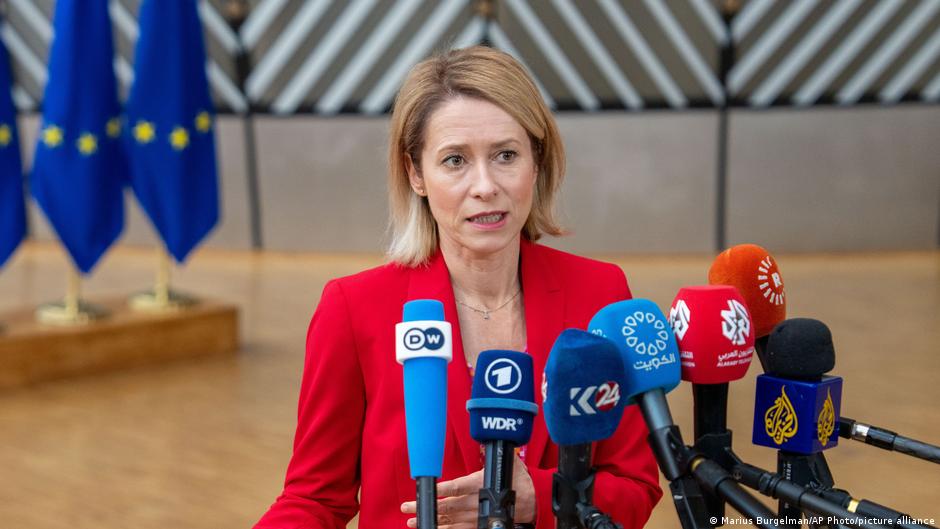
European Union High Representative for Foreign Affairs and Security Policy Kaja Kallas has publicly accused Russia, China, and the United States of employing a "divide and conquer" strategy aimed at weakening the EU’s political unity. Speaking at the Lennart Meri Conference in Tallinn, Kallas stressed the importance of collective EU action for maintaining global influence and warned against bilateral agreements that could fragment the bloc.
Geopolitical Rivalries and the EU’s Strategic Autonomy
"If we stand together and act collectively, we are strong," Kallas declared, emphasizing the EU’s potential as a global power only when united. She explained that Russia, China, and the US prefer dealing with individual European countries rather than a consolidated EU capable of challenging their geopolitical interests.
"Why do these powers want to break up the European Union? Because together we are much stronger," Kallas said.
Her comments illustrate growing concerns within Brussels that US policies encouraging separate bilateral relations with member states could undermine the EU’s unified foreign policy framework. Since the start of former President Donald Trump’s second term, several European governments, including Italy under Prime Minister Giorgia Meloni, sought to maintain direct channels with Washington. This approach, Kallas warned, risks weakening the EU’s collective bargaining power and its ability to present a coherent stance in negotiations with global powers.
Kallas expressed particular worry about EU member states pursuing individual deals with the US, which she sees as playing into the broader strategy of "divide and rule." She noted that such fragmentation not only compromises EU solidarity but could also diminish the bloc’s influence in key areas such as trade, security, and global diplomacy.
Implications for US Business and Transatlantic Relations
For American businesses, the EU’s cohesion directly impacts regulatory alignment, market access, and investment climates across Europe’s single market. A fragmented EU could lead to a patchwork of national regulations and barriers, complicating operations for US companies that rely on unified standards and predictable frameworks.
Moreover, transatlantic cooperation on geopolitical and economic challenges—including managing tensions with China and Russia—depends on a strong EU partner. Kallas’ statements underscore the risk that US policies encouraging bilateralism may inadvertently weaken the EU’s ability to act as an equal partner, potentially affecting long-term strategic and commercial interests in the region.
In addition, Kallas rejected Russian President Vladimir Putin’s proposal to appoint former German Chancellor Gerhard Schröder as an EU representative for peace talks with Russia. She dismissed the idea as imprudent, highlighting the EU’s caution in maintaining negotiation roles independent from Russian influence.
Overall, Kallas’ remarks serve as a stark reminder to Washington and European capitals alike that sustaining EU unity is critical—not only for Europe's geopolitical resilience but also for preserving a stable and mutually beneficial transatlantic partnership.