EU Postpones Appointment of Negotiator with Putin Amid Strategic Deliberations
The European Union delays naming a representative to negotiate with Russia over Ukraine, focusing first on strategy and sanction pressure.
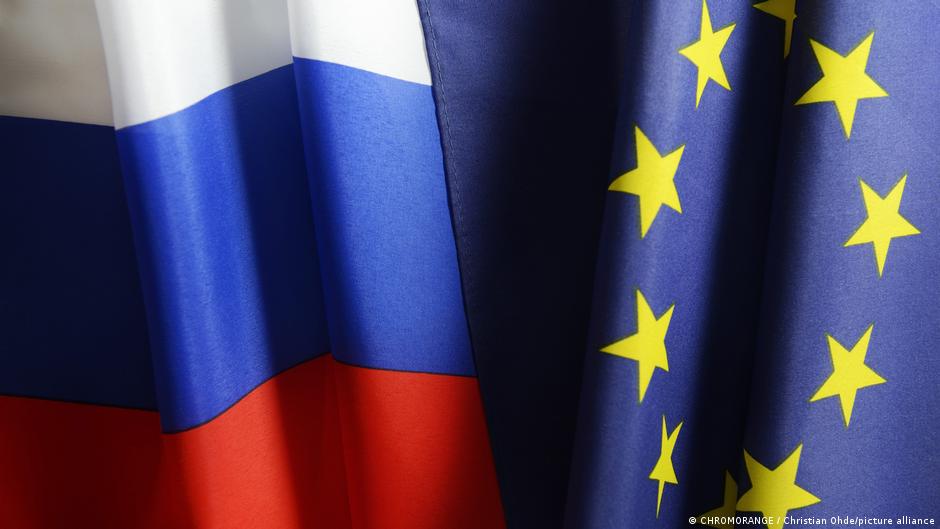
The European Union has decided to hold off on appointing a special representative to negotiate an end to the war in Ukraine, signaling a cautious approach amid ongoing strategic considerations. EU officials indicated that before entering direct talks with Russia, they need to clarify the objectives and scope of any potential negotiations.
Strategic Pause Reflects EU’s Calculated Approach
High-ranking EU officials conveyed to media that it is currently deemed inappropriate to designate a chief negotiator. This position is shared by key EU figures, including the High Representative for Foreign Affairs and Security Policy, Josep Borrell, as well as influential member states such as Germany. An EU official explained, "We need to first agree on what exactly we want to discuss with Russia." This measured stance reflects Brussels’ intent to present a united and well-defined negotiating position.
The EU believes that sustained sanction pressure will be critical to persuading Russian President Vladimir Putin to engage seriously at the negotiating table. On May 28, the European Commission and the European External Action Service (EEAS) are expected to unveil the 21st package of sanctions targeting Russia. This new round is anticipated to focus on the financial sector and suppliers to Russia’s defense industry, tightening economic constraints.
"We, Europeans, decide who speaks on our behalf. Nobody else," said German Chancellor Friedrich Merz, emphasizing EU sovereignty in diplomatic representation.
Discussion within the EU has recently included speculation over potential candidates for the role of special negotiator. High-profile names floated include former European Central Bank president Mario Draghi, ex-German Chancellor Angela Merkel, and Finnish President Sauli Niinistö. However, no consensus has been reached, as member states weigh the implications.
In contrast, Russian President Putin has publicly expressed a preference for former German Chancellor Gerhard Schröder, a figure with close ties to Moscow. Nevertheless, both the current German government and EU representatives have ruled out Schröder's candidacy, citing his controversial affiliations and questioning the legitimacy of appointing someone perceived as pro-Kremlin.
The EU’s hesitation to appoint a negotiator has broader implications for Washington and American businesses. The United States, a key NATO ally, has supported the EU’s sanction regime and diplomatic efforts to isolate Russia economically. Any diplomatic breakthrough or intensification of sanctions will directly affect global markets and companies engaged in energy, defense, and finance sectors.
American firms with exposure to European supply chains, particularly those linked to the defense industry, will be closely monitoring the EU’s sanction packages and negotiation posture. The evolving situation underscores the importance for US businesses to stay aligned with transatlantic policy shifts that impact regulatory and geopolitical risk.



