European Allies Discuss Renewed Diplomatic Efforts with Ukraine Amid War Stalemate
Ukraine’s key European partners engage in high-level talks to boost diplomacy and support amid ongoing conflict with Russia.
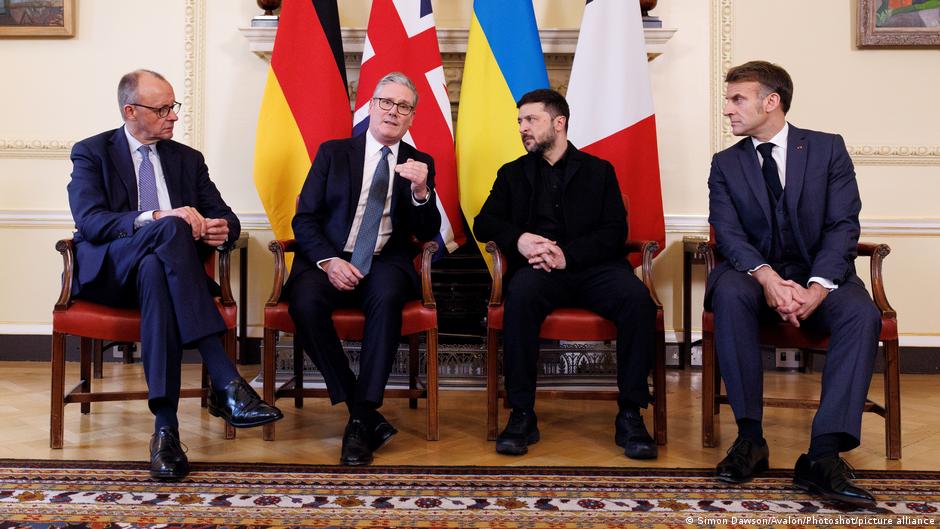
In a significant high-level video conference on May 22, Germany, France, and the United Kingdom convened with Ukrainian President Volodymyr Zelensky to discuss strategies for revitalizing diplomatic efforts aimed at ending the prolonged war with Russia. The German Chancellor Friedrich Merz, French President Emmanuel Macron, and British Prime Minister Keir Starmer participated in the talks, signaling a coordinated European approach to supporting Ukraine and seeking peace.
European Support and Diplomatic Challenges
The discussions focused on "how to activate diplomacy in the name of peace" with a particular emphasis on ensuring Europe’s active involvement in the process, according to Zelensky. While details of the meeting were limited, the joint commitment to strengthening Ukraine’s defensive capabilities was clear. A spokesperson for Prime Minister Starmer confirmed that support for Ukraine’s defense will be further enhanced in the coming months.
"All partners note that Ukraine’s position is significantly stronger—both on the battlefield and in strategic foresight. This strength can drive effective diplomacy." — Volodymyr Zelensky
The meeting marked the first summit-level dialogue in this trilateral format in a long time. Notably, the United States, which has positioned itself more as a mediator than a direct ally to Ukraine, has been preoccupied with the war against Iran since late February. This shift has created a leadership vacuum in direct Ukraine-Russia negotiations, previously brokered by Washington but currently stalled.
Implications for U.S. Business and Political Interests
For Washington, the European initiative presents both opportunities and challenges. American businesses with interests in European security and energy markets closely watch the evolving conflict dynamics. The renewed European diplomatic activism may help stabilize the region, which is crucial for maintaining supply chains and energy exports that impact U.S. corporations.
However, the partial U.S. disengagement from direct negotiations complicates the diplomatic landscape. The U.S. administration faces the dilemma of balancing its focus on emerging conflicts in the Middle East while sustaining support for Ukraine and its European allies. Senate Foreign Relations Committee member Senator Marco Rubio highlighted the stalemate, noting that current ceasefire talks have yielded no tangible results and stressing that Washington is wary of endless unproductive negotiations.
Moreover, Kyiv’s push for a revamped negotiation framework involving EU representatives or a direct summit including Russian President Vladimir Putin, Ukrainian President Zelensky, and former U.S. President Donald Trump reflects Ukraine’s search for fresh diplomatic momentum. Such proposals could reshape the diplomatic engagement model, potentially affecting U.S. foreign policy priorities and defense commitments.
Security Briefings and Intelligence Sharing
President Zelensky also informed the European leaders about existing Russian plans concerning Ukraine, Belarus, and other parts of Europe. While specifics were not disclosed, Zelensky mentioned an ongoing exchange of intelligence at the security services level among the four countries. This enhanced cooperation signals a more integrated European response, which could influence U.S. strategic calculations and collaborative defense efforts.
As the conflict continues to weigh heavily on transatlantic relations and economic interests, the evolving European role in diplomacy underscores the importance of coordinated international support for Ukraine’s defense and peace initiatives. For U.S. policymakers and businesses, closely monitoring these developments is essential in adapting strategies to the shifting geopolitical environment.