Ex-President Radev's Coalition Leads Bulgarian Elections Amid Anti-Corruption Drive
Rumen Radev's Progressive Bulgaria coalition gains over 40% support in parliamentary vote, highlighting political shifts with potential implications for US interests in the region.
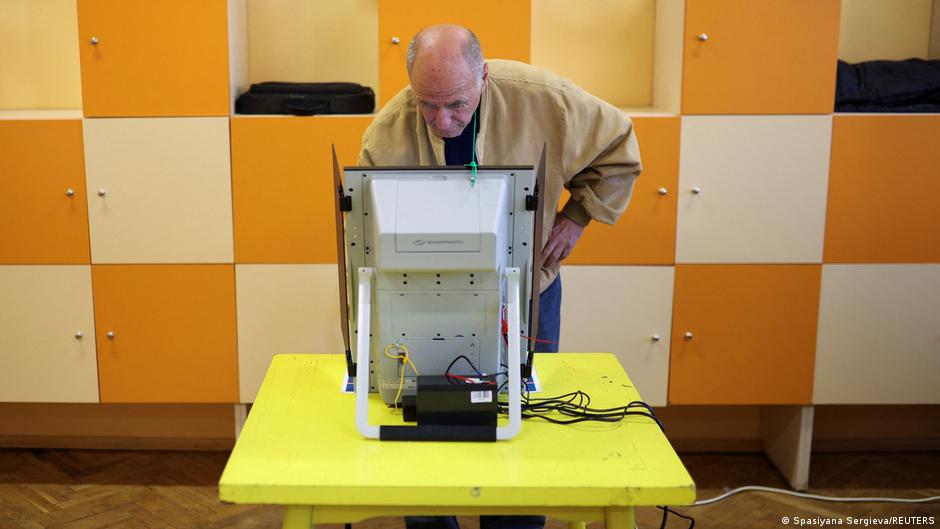
The Progressive Bulgaria alliance, headed by former Bulgarian President Rumen Radev, is leading the country's parliamentary elections with preliminary results showing support exceeding 40%.
According to official data released after processing about one-third of the ballots, the left-centrist coalition secured approximately 44.6% of the vote. Meanwhile, the center-right coalition led by Boyko Borissov's Citizens for European Development of Bulgaria (GERB), which promotes further integration of Bulgaria into the European Union, along with the liberal alliance Continuing Change – Democratic Bulgaria (PP-DB), garnered around 12-13% each based on exit polls.
Political Context and Implications for US Interests
These snap elections mark Bulgaria's eighth parliamentary vote in five years and were called following the resignation of the conservative government amid widespread protests starting in December 2025. Demonstrators demanded an independent judiciary and an end to entrenched corruption—issues central to Radev’s campaign messaging.
"The coalition’s anti-corruption stance resonates with a diverse voter base, including both pro-Russian supporters and citizens frustrated with systemic corruption," analysts note.
Radev’s alliance uniquely combines voters nostalgic for the Bulgarian Socialist Party, the communist successor party, and those aligned with anti-corruption reforms. This blend signals a significant shift in Bulgaria’s political landscape, which may affect the country’s foreign policy orientation.
Importantly for Washington, Radev has publicly advocated for reducing military aid to Ukraine, a position that diverges from the US and European Union’s current strategic objectives in the region. Bulgaria, a NATO member, has been a transit and logistical hub for Western support to Ukraine; changes in its government’s stance could complicate US and allied efforts amid the ongoing conflict.
US businesses with interests in Bulgaria and Southeastern Europe should monitor the evolving political dynamics closely. Potential policy shifts could impact investment climates, trade relations, and regional stability—factors critical to long-term strategic planning.
Voter turnout reached 43.4%, and five parties are expected to surpass the 4% parliamentary threshold, underscoring a fragmented but politically engaged electorate.



