Lithuania and Latvia Block Slovak PM’s Flight to Moscow Ahead of May 9 Victory Day
Baltic nations deny airspace access to Slovak Prime Minister Robert Fico en route to Moscow for May 9 celebrations, complicating EU member state relations.
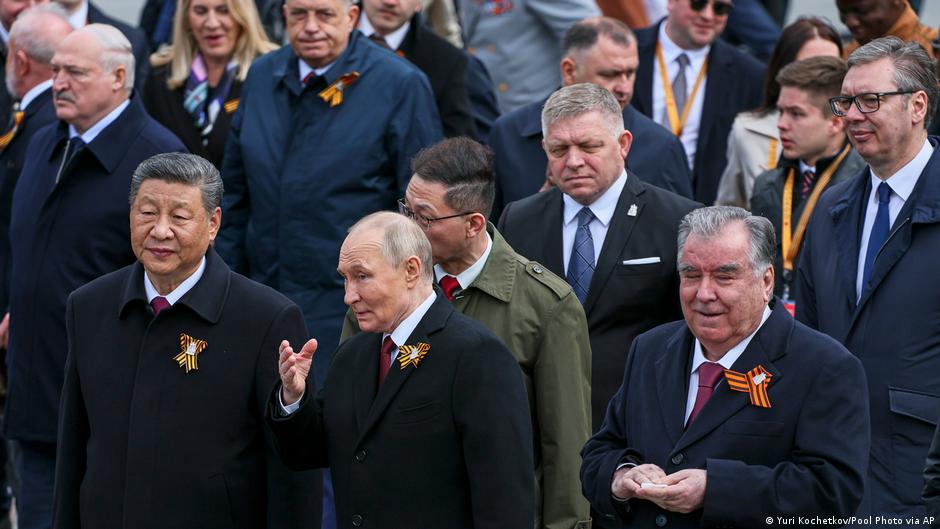
Amid escalating tensions within the European Union, Lithuania and Latvia have announced they will once again deny airspace access to Slovak Prime Minister Robert Fico’s plane as he travels to Moscow to attend the Victory Day celebrations on May 9. This move marks a continuation of the Baltic states’ restrictive stance against flights linked to Moscow during politically sensitive events.
Impact on EU Diplomacy and Transatlantic Relations
Prime Minister Fico confirmed the news on April 18 in a video statement, revealing that both Lithuania and Latvia informed Bratislava they would not allow his aircraft to fly over their territories. “What can you do? EU member countries are refusing to let the prime minister of another EU member state fly over their territory,” Fico remarked. He added that he would seek alternative routes, as he did in the previous year.
This latest development highlights the complex diplomatic rifts within the EU regarding engagement with Russia, particularly around the May 9 commemorations marking the Soviet Union’s victory in World War II—a day viewed differently across Western and Eastern Europe.
For Washington and US businesses, these intra-EU divisions could have broader implications. The Baltic nations’ firm stance reflects ongoing geopolitical concerns over Russia’s actions in Ukraine and challenges the unity of EU states in diplomatic protocols. This discord may influence the US government’s efforts to maintain a cohesive Western front on sanctions and economic measures targeting Russia.
Moreover, disruptions in air travel routes within Europe, prompted by these political decisions, could affect transatlantic commerce and logistics that US companies rely upon, particularly in sectors such as aerospace, transportation, and international trade.
“EU member countries are refusing to let the prime minister of another EU member state fly over their territory,” said Slovak Prime Minister Robert Fico.
Background: Previous Flight Restrictions and Political Sensitivities
This is not the first time the Baltic states have blocked Prime Minister Fico’s flights to Moscow. In 2023, both Latvia and Lithuania refused overflight rights to Fico’s aircraft and that of Serbian President Aleksandar Vučić ahead of the May 9 events. Latvian authorities cited the “political sensitivity of the flight’s purpose,” while Lithuania referenced “technical and diplomatic sensitivities.” Poland also denied Slovak airspace access that year.
The restrictions come amid wider European efforts to discourage official visits to Moscow by politicians from candidate countries and EU members, as part of a broader strategy to isolate Russia diplomatically following its invasion of Ukraine.
Russian officials have confirmed that several foreign dignitaries expressed interest in attending the May 9 celebrations this year, underscoring Moscow’s desire to maintain international visibility despite Western sanctions and diplomatic pressures.
For American policymakers and businesses, the Baltic states’ airspace closures signal a persistent fracture within the EU that could complicate coordination on Russia policy. At the same time, such moves reaffirm the resolve of frontline EU members to resist normalization of relations with Moscow under current conditions, a stance generally supported by the US government.
As the May 9 event approaches, the situation remains fluid, with the exact travel arrangements for foreign leaders like Fico still uncertain. The ongoing airspace bans demonstrate how geopolitical conflict in Eastern Europe continues to influence air traffic management, diplomatic engagement, and the strategic calculus of Western allies.



