Rising Jet Fuel Prices Force Airlines to Cut Flights Amid Iran Conflict Impact
Global airlines reduce capacity due to soaring fuel costs linked to US-Iran tensions and Strait of Hormuz blockade.
Passengers worldwide should brace for an uptick in flight cancellations as the ongoing conflict involving Iran drives jet fuel prices higher. Industry analysts forecast a notable decline in airline capacity this May, reversing earlier growth expectations for 2026.
According to aviation analytics firm Cirium Ltd., global airline capacity is set to contract approximately 3% in May, a sharp deviation from the previously projected 4-6% expansion. The International Air Transport Association (IATA) has highlighted that Europe's aviation fuel reserves are expected to last only about six weeks under current conditions.
US-Iran Conflict Disrupts Fuel Supplies and Airline Operations
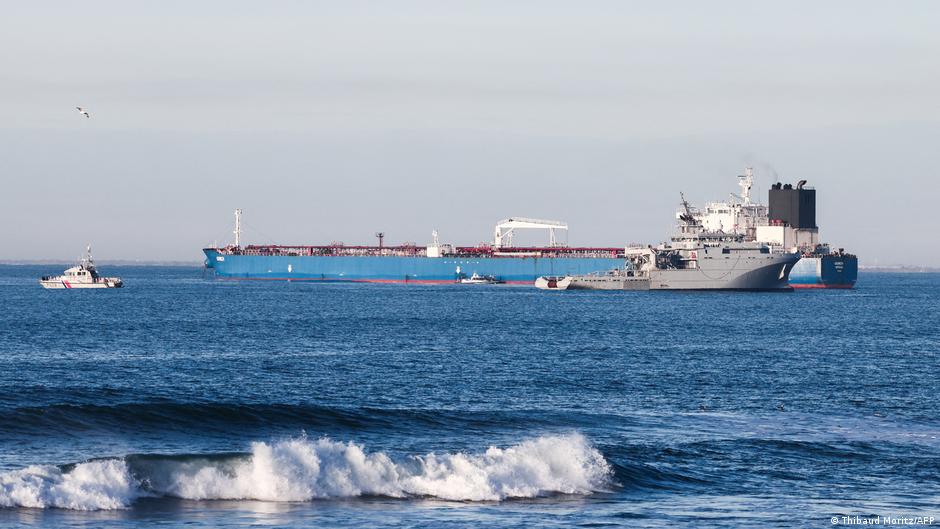
The surge in jet fuel prices stems from the conflict between the United States, Israel, and Iran, which has resulted in a blockade of the Strait of Hormuz—a critical artery for the shipment of Iranian crude oil. This disruption in oil supply chains is directly impacting airlines' operational costs and route planning.
"The shortage of jet fuel will initially force airlines to suspend less profitable short-haul routes and accelerate retirement of older, less fuel-efficient aircraft," said Germany's Federal Association of the Aviation Industry (BDL).
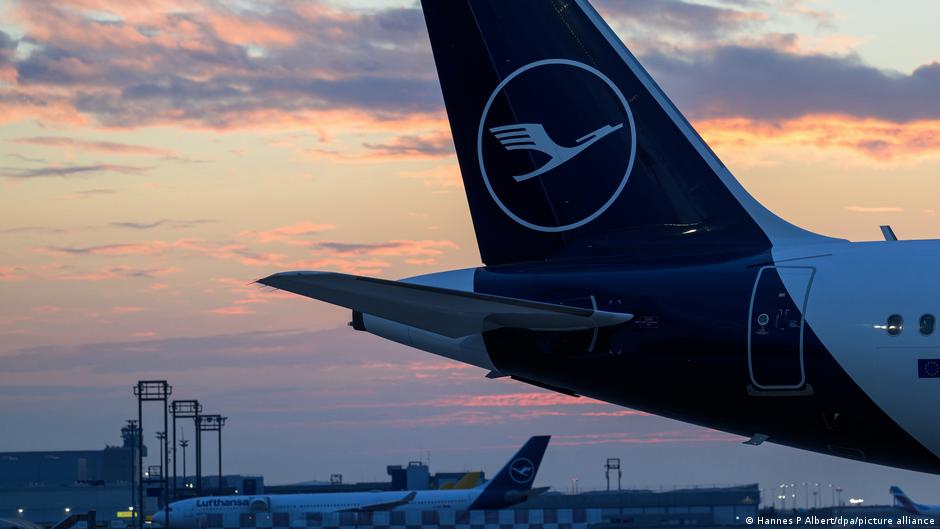
Major airlines are responding by trimming their flight schedules to conserve fuel and maintain profitability. The Dutch carrier KLM announced the cancellation of 80 round-trip flights from Amsterdam’s Schiphol Airport in May. Similarly, United Airlines in the US and Germany’s Lufthansa have reduced routes citing economic viability concerns related to fuel cost pressures.
BDL has called for immediate action, preferably through coordinated European Union measures, warning that flight restrictions could inflict substantial damage on both the German and wider European economies. The association emphasizes the risk of prolonged disruption even if hostilities in Iran subside soon, as rebuilding damaged infrastructure in the region may take months or years.
For US businesses and travelers, the ripple effects could manifest as increased airfares, reduced connectivity to European and Middle Eastern markets, and interruptions in cargo transport. Airlines may pass on higher fuel costs to customers, impacting corporate travel budgets and consumer demand.
Washington’s strategic interests in the region and its support for Israel contribute to the geopolitical dynamics amplifying fuel market volatility. The aviation sector, a crucial component of global commerce and US economic interests, is now contending with both operational challenges and broader supply chain uncertainties.
As airlines navigate these headwinds, stakeholders including policymakers and industry leaders will need to consider measures to enhance fuel supply security and support airline resilience amid geopolitical risks.