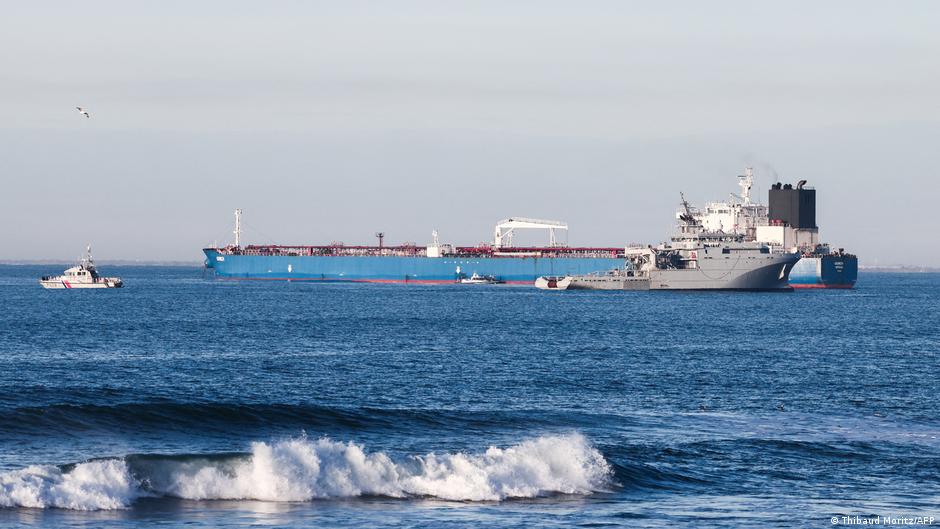
US Extends Temporary Sanctions Waiver on Russian Oil Exports Until May 16 Amid Market Pressures
Washington prolongs exemption for Russian oil shipments loaded on tankers, impacting international energy markets and US policy stance.
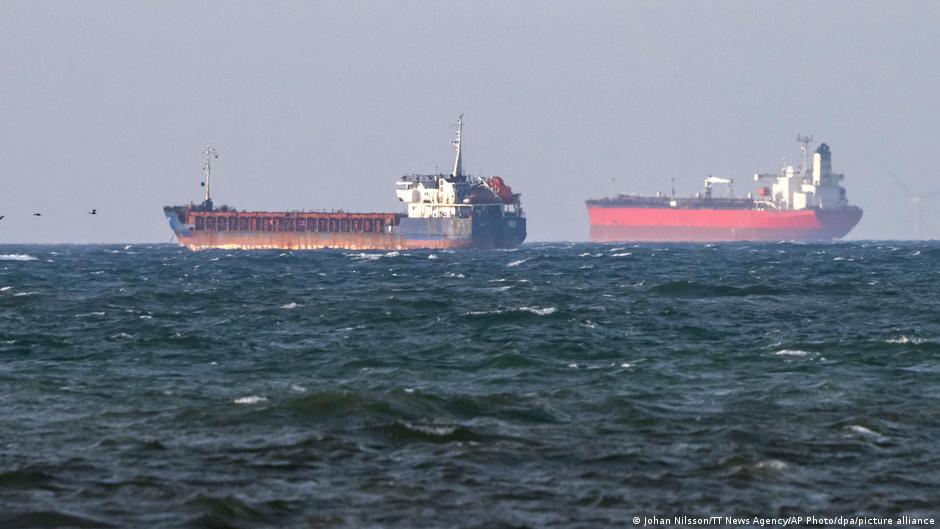
The United States government has extended a temporary waiver on sanctions related to Russian oil and petroleum products loaded onto tankers until May 16. This decision marks a shift from earlier statements by the US Treasury Secretary Scott Bessent, who had indicated that Washington would not prolong the exemptions.
The original license, which was implemented on March 13 for a 30-day period, aimed to mitigate rising global energy prices triggered by Middle Eastern conflicts, notably the war in Iran. The exemption was described as a "narrow and short-term" measure intended to have minimal impact on Russia's oil revenues.
Implications for US Energy Policy and Business
Despite the temporary relaxation of sanctions, recent reports indicate that Russia's daily oil revenue increased by over $100 million following the easing. The International Energy Agency (IEA) noted that Russia's oil export income nearly doubled in March compared to February, reaching approximately $19 billion — a surge attributed to geopolitical tensions in the Middle East.
"The leniency in sanctions has provided Russia with significant oil revenues, challenging the intended economic pressure of US sanctions," industry analysts say.
However, the impact on global oil prices has been limited. The US administration, which had hoped to stabilize energy markets, especially under former President Donald Trump's policies focused on balancing oil supply, has observed that the price surge remains largely unaffected by these sanctions adjustments.
One key factor is the extensive use of so-called "shadow fleet" tankers by Russia, which transport oil shipments circumventing international restrictions. This fleet complicates enforcement efforts and undermines the effectiveness of sanctions, raising concerns among American businesses and policymakers about the overall leverage of these measures.
The extension of the waiver suggests a pragmatic approach by Washington, balancing between exerting pressure on Moscow and managing domestic and global energy market stability. US oil companies and energy-dependent industries are closely monitoring these developments as fluctuations in oil prices and supply chain disruptions directly affect their bottom lines.
Moving forward, the US government faces the challenge of crafting a sanctions strategy that curbs Russian revenues without exacerbating energy costs for American consumers and businesses. The continuation of exemptions highlights the complex interplay between geopolitical objectives and economic realities in US foreign and energy policy.