Pope Leo XIV Condemns Global Tyrants Exploiting Religion Amid US Political Tensions
During an African tour, Pope Leo XIV criticizes militarization and economic exploitation, drawing rebuke from President Trump and highlighting diplomatic strains affecting US interests.
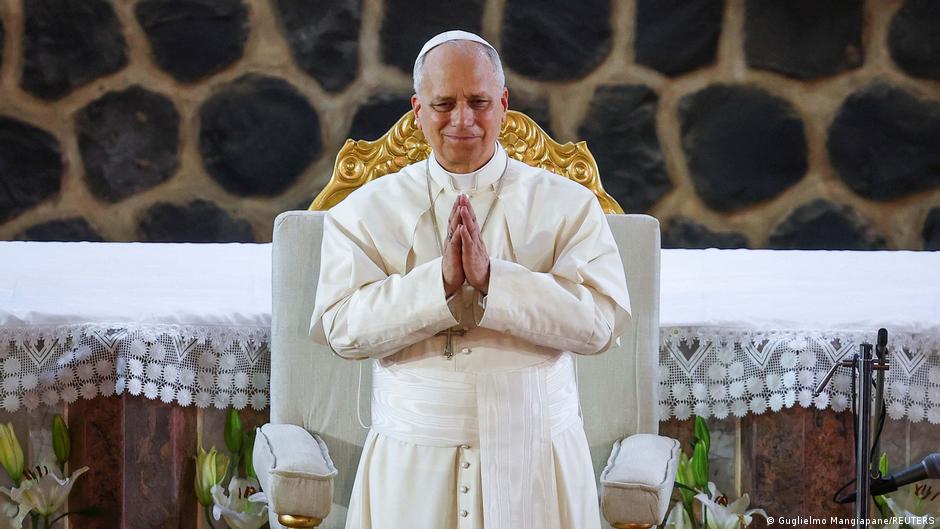
During his visit to Cameroon, Pope Leo XIV sharply condemned a "handful of tyrants" who, in his words, spend billions to "devastate" the world through exploitation and war. Speaking at the Cathedral of Saint Joseph in Bamenda on April 16, the pontiff stated, "Blessed are the peacemakers, but woe to those who manipulate religion and the very name of God for their own military, economic, and political gain, plunging the sacred into darkness and abomination. This is a world turned upside down, an exploitation of God's creation that every honest and conscientious person must condemn and reject."
US Political Fallout and Business Implications
Earlier, on April 11, Pope Leo XIV, the first American to hold the papacy, called on leaders of warring nations to stop fighting and "sit at the table of negotiations, not the table where rearmament is planned and decisions on deadly actions are made." This message was met with sharp criticism from then-US President Donald Trump, who labeled the pope "terrible" on the Truth Social platform, asserting, "I don’t need a pope who criticizes the President of the United States because I am doing exactly what I was elected to do." Trump’s rebuke reflects ongoing tensions between the Vatican’s moral stance and the US administration’s foreign policy approach, with potential ramifications for diplomatic relations and US business interests abroad.
The pope clarified that the Vatican’s calls for peace and reconciliation are rooted in the Gospel, and emphasized that he is not afraid of the current US administration. He also stressed that his general appeal for peace and criticism of the "illusion of omnipotence" is not a direct attack on Trump or any other individual. Nevertheless, the public clash has drawn attention to how religious leadership can influence political discourse in Washington, especially regarding military engagement and global stability.
Italian Prime Minister Giorgia Meloni publicly supported Pope Leo XIV’s stance, stating, "Honestly, I would not feel very comfortable in a society where religious leaders do what political leaders tell them to do." This endorsement led to further criticism from Trump, who had previously spoken favorably of Meloni. The exchange highlights the delicate balance between political alliances and religious moral authority, both of which can impact US foreign policy and international business environments.
Africa Tour and Broader Diplomatic Context
Pope Leo XIV embarked on an 11-day tour of African countries on April 13, beginning with Algeria—a nation of 48 million people where the Catholic community numbers roughly 9,000. During this first stop, the pontiff visited the ruins of the ancient city of Hippo, where Saint Augustine, one of the founders of the Catholic Church, once preached. Following Algeria and Cameroon, his itinerary includes Angola and Equatorial Guinea.
This African tour underscores the Vatican's ongoing commitment to global diplomacy and humanitarian issues, with potential indirect effects on US economic and political interests in these emerging markets. The pope’s emphasis on peace and ethical governance contrasts with geopolitical strategies that prioritize military strength and resource exploitation. For US businesses operating in Africa and other regions affected by conflict, such diplomatic messages may signal a shifting landscape where corporate responsibility and ethical considerations become more prominent.
“Blessed are the peacemakers, but woe to those who manipulate religion and the very name of God for their own military, economic, and political gain,” Pope Leo XIV declared in Cameroon.
As tensions between the Vatican and Washington play out publicly, American companies with global operations should monitor these developments closely. The interplay between religious diplomacy and US foreign policy could shape regulatory environments, investment risks, and the broader geopolitical climate influencing international commerce.