Russian Drone Strikes on Chernihiv Infrastructure Raise Concerns for US Business Interests
Massive drone attacks by Russian forces on Chernihiv's power infrastructure disrupt electricity for thousands, highlighting risks to regional stability and supply chains.
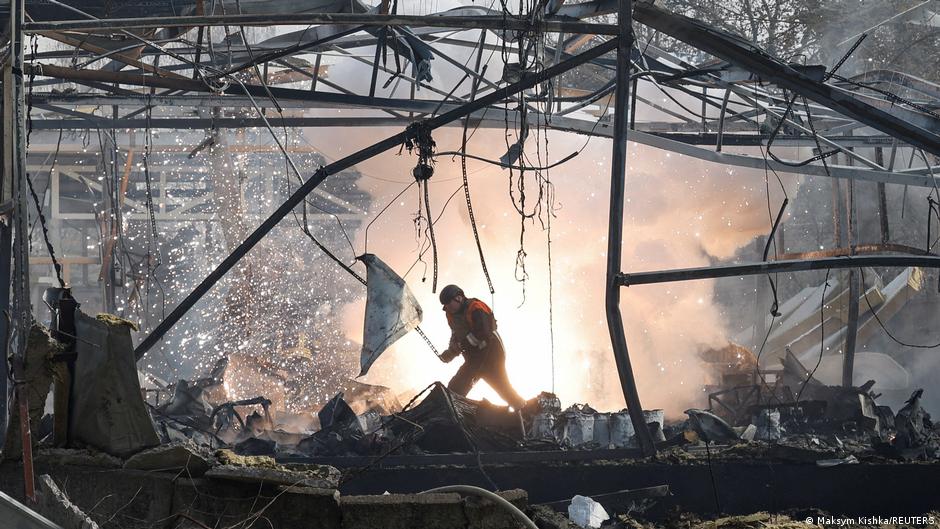
Russian military forces launched a significant drone assault on critical infrastructure in the Ukrainian city of Chernihiv, causing widespread power outages affecting approximately 6,000 customers. The latest attack underscores ongoing vulnerabilities in the region that could have broader implications for American companies reliant on Eastern European markets and supply chains.
Impact on Infrastructure and Regional Stability
In the early hours of April 17, Russian drones targeted several key industrial and energy facilities in Chernihiv, a city in northern Ukraine near the Belarusian border. The strikes triggered fires and damaged critical electrical infrastructure, leading to a blackout that left thousands without power. Local energy provider Chernihivoblenergo reported that restoration efforts would begin once security conditions allowed.
"Information on the extent of the damage and casualties is still being verified," noted Dmitry Bryzhinsky, head of the Chernihiv city military administration.
This attack is part of a broader pattern of Russian strikes on Ukrainian energy grids, which have repeatedly disrupted civilian life and economic activities. Earlier incidents in March and April saw tens of thousands of residents across Chernihiv and neighboring districts lose electricity due to targeted drone and missile assaults on power plants and transmission lines.
For example, on April 6, approximately 340,000 customers in Chernihiv and Priluki were left without power following a strike in the Nezhin district. Similarly, on March 21, the entire Chernihiv region experienced a blackout, forcing critical infrastructure to switch to alternative energy sources and causing delays in regional rail services operated by Ukrainian Railways.
Implications for US Businesses and Washington
These recurring attacks not only exacerbate humanitarian challenges but also pose risks to US economic and strategic interests. Many American companies operate across supply chains that traverse Eastern Europe, and disruptions in Ukraine's infrastructure can have cascading effects on manufacturing, logistics, and energy markets.
Moreover, the persistent targeting of civilian infrastructure complicates efforts by the US and its allies to support Ukraine's economic resilience and reconstruction. It raises questions about the durability of regional energy networks and the security of critical assets that underpin both local economies and international trade routes.
Washington faces the challenge of balancing military assistance with strategies to protect essential services and economic stability in Ukraine. The attacks on Chernihiv highlight the need for increased investment in Ukraine's infrastructure hardening and contingency planning, areas where US policy and private sector partnerships could play a pivotal role.
As Secretary of State and Commerce Department officials evaluate continued aid packages and sanctions, understanding the real-time impact of such strikes on Ukraine's economy and energy systems becomes critical for shaping effective US responses.
Looking Ahead
With the conflict ongoing, further attacks on infrastructure remain a strategic tool used by Russian forces to undermine Ukrainian resilience. For US businesses, this volatility translates into increased risk exposure in the region. For policymakers in Washington, it underscores the urgency of coordinated efforts to bolster Ukraine’s infrastructure and economic stability.
In this context, American companies engaged in energy, logistics, and manufacturing sectors should closely monitor developments and consider risk mitigation strategies. Meanwhile, continued diplomatic and financial support from the US will be vital to sustaining Ukraine’s capacity to withstand these disruptions.