Slovakia to Block EU’s 20th Sanctions Package Against Russia Over Oil Pipeline Dispute
Slovakia insists on resuming Russian oil deliveries via Ukraine’s Druzhba pipeline before supporting new EU sanctions, complicating Washington’s strategy on Russia.
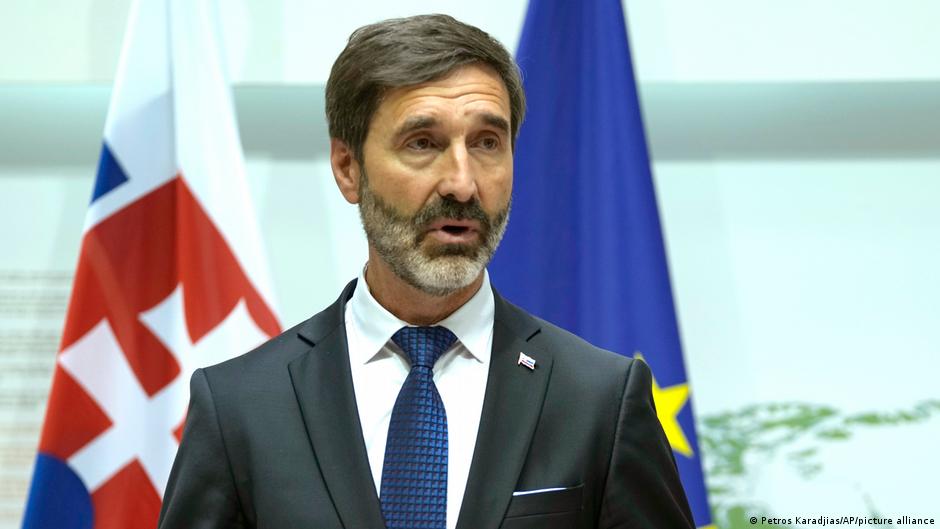
Slovakia has announced it will continue to block the European Union's 20th sanctions package against Russia until Russian oil deliveries through the Druzhba pipeline, which runs via Ukraine, are restored. The statement was made by Slovak Foreign Minister Juraj Blanár in the country's parliament on April 16.
Slovakia’s Strategic Objection and Its Broader Implications
Minister Blanár declared that if the Druzhba pipeline does not resume operations prior to the EU vote on the sanctions package, Slovakia will not support the measure. "If the Druzhba pipeline does not resume operations, and the vote on the 20th sanctions package is already on the agenda, we will not vote 'yes'," Blanár said. Bratislava claims it lacks alternative leverage to compel Ukrainian President Volodymyr Zelensky and the European Commission to reopen the pipeline.
"Bratislava has no other instruments to force President Zelensky together with the European Commission to reopen the Druzhba pipeline," said Blanár.
This stance has direct consequences for U.S. geopolitical and economic interests, as Washington supports robust EU sanctions on Russia amid the ongoing conflict in Ukraine. Slovakia’s position highlights fissures within the EU that could slow coordinated Western pressure on Moscow.
Context of the Druzhba Pipeline and Regional Energy Security
The Druzhba pipeline, a critical conduit for Russian oil to Hungary and Slovakia, has been non-operational since late January. Ukraine reported the pipeline suffered damage from a Russian drone strike on its territory, prompting a halt in supplies. Slovakia declared a "state of emergency" in its oil sector due to the disruption.
Both Slovakia and Hungary have accused Kyiv of delaying repairs and using the damage as a pretext to block oil flows. This impasse led Hungarian Prime Minister Viktor Orbán to veto the 20th EU sanctions package and block a significant EU financial aid package for Ukraine.
In March, Kyiv agreed to accept EU assistance for pipeline repairs. By mid-April, President Zelensky indicated the Druzhba pipeline could resume operations by the end of the month.
EU Financial Aid to Ukraine and Hungary’s Position
Despite Slovakia’s resistance to sanctions, Foreign Minister Blanár confirmed Bratislava will not oppose the EU’s €90 billion credit package to Ukraine. Meanwhile, Hungary’s ruling party leader, Péter Mádyar of the Tisza party, pledged not to block this multi-billion euro aid but clarified Budapest will not contribute funds directly.
Slovak Prime Minister Robert Fico had previously threatened to follow Hungary’s lead in blocking EU aid if Orbán’s party lost power in parliamentary elections. This development underscores the complexities for Washington and Brussels in maintaining a united front on Ukraine support.
Washington’s Strategic Calculus
The Slovakian and Hungarian resistance to sanctions and aid measures demonstrates the delicate balance the U.S. must navigate within the EU to sustain pressure on Russia while supporting Ukraine. The disruption of Russian oil supplies to Central Europe also raises concerns about energy security and the economic impact on American companies with interests in the region.
For U.S. policymakers and businesses, Slovakia’s stance signals potential delays in EU decision-making and highlights the need for diplomatic engagement to ensure continued Western economic pressure on Russia without undermining the stability of EU energy supplies.