Germany Restricts Military Museum Access for Uzbek Citizens Over Security Concerns
Koblenz Bundeswehr Military Museum limits entry for Uzbek nationals and other Central Asian citizens citing German security regulations.
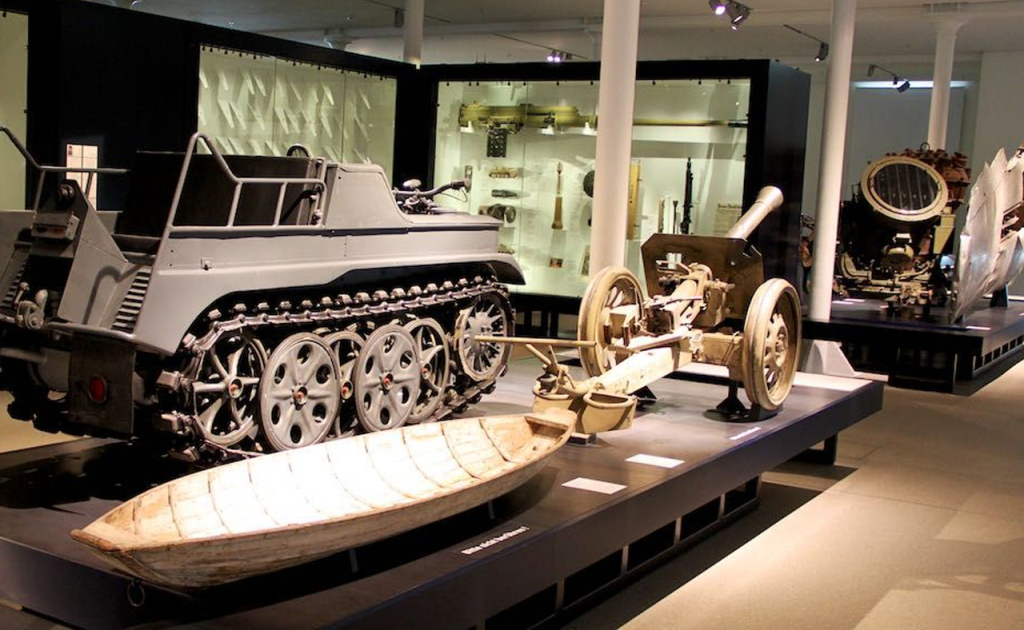
Germany's Bundeswehr Military Museum in Koblenz has imposed entry restrictions on citizens from Uzbekistan and several other Central Asian countries due to security protocols established by German law.
Security-Driven Restrictions and Their Regional Scope
Since March 2025, the museum has denied access to visitors holding passports from Uzbekistan, Kazakhstan, Kyrgyzstan, Turkmenistan, and Tajikistan, aligning with Germany's "Reliability Check" security legislation. The museum administration cited compliance with these legal requirements as the reason for the restrictions, which also include other countries such as Afghanistan, China, Iran, Pakistan, and Syria.
"These measures are implemented solely to ensure security," museum officials stated, emphasizing the legal framework guiding the decisions.
Entry to the museum requires valid identification, and admission tickets are priced at 3 euros. The Bundeswehr Military Museum hosts one of the world's largest collections of military technology, ranging from World War I artifacts to modern armored vehicles and weaponry.
The exhibits feature historically significant military hardware such as the FT-17 tank, Leopard 1 and Leopard 2 battle tanks, as well as NATO-developed prototypes. Visitors can also explore a wide array of firearms, artillery systems, and various armored vehicles.
Implications for U.S. Businesses and Policy Considerations
The restrictions at this prominent German military museum highlight the growing sensitivity around security issues related to Central Asian countries. For American companies operating in defense, security technology, and cultural exchange sectors, such developments underscore the need to monitor evolving European security policies closely.
Washington-based defense contractors and cultural institutions involved in transatlantic collaborations may face operational or strategic impacts given the tightened access policies. Moreover, these measures reflect broader geopolitical concerns that could influence U.S.-European cooperation on defense and intelligence sharing, especially as Central Asia remains a region of interest in U.S. foreign policy.
As the United States continues to evaluate its interests in Central Asia and security partnerships with European allies, understanding these localized policy shifts is crucial for anticipating their downstream effects on American businesses and diplomatic initiatives.
Based on reporting by Deutsche Welle.