Trump Rejects NATO Assistance in Strait of Hormuz, Calling Alliance a 'Paper Tiger'
Former President Trump declines NATO aid for Strait of Hormuz security amid escalating Middle East tensions.
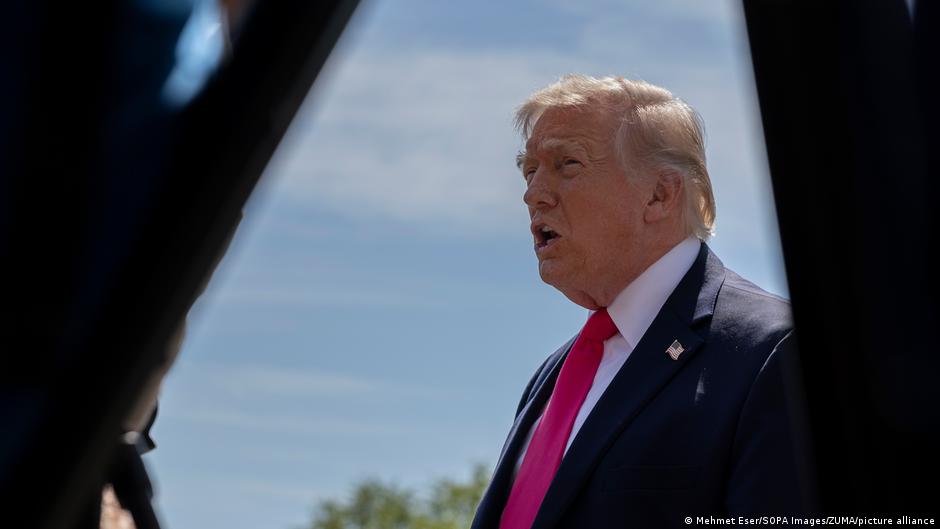
Former President Donald Trump publicly rejected an offer from NATO to assist the United States with security operations in the strategically vital Strait of Hormuz. Writing on his social media platform Truth Social, Trump dismissed the alliance's value, dubbing it a "paper tiger." He stated, "I told them to stay away unless they just want to load their ships with oil. They were useless when needed." This blunt repudiation underscores ongoing tensions regarding international cooperation in managing critical maritime security challenges affecting global energy supply routes.
Implications for US Business and Geopolitical Strategy
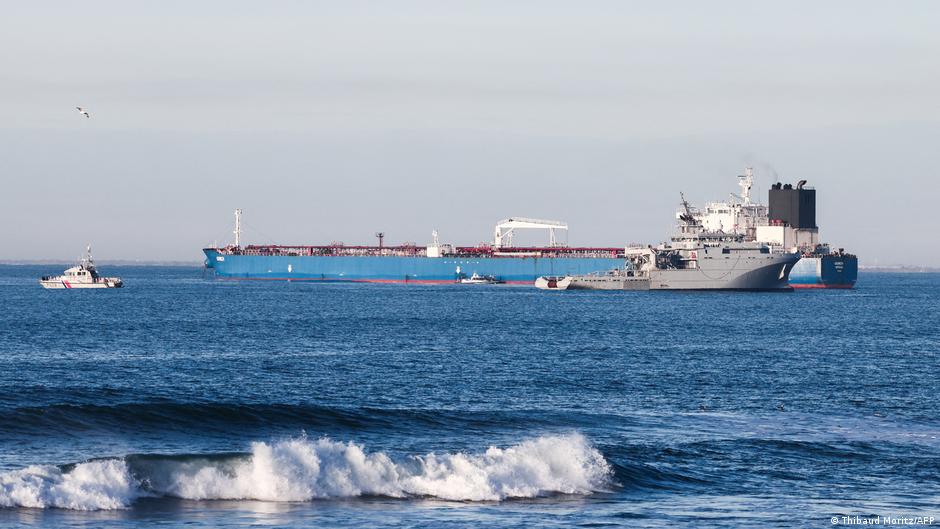
The Strait of Hormuz is a crucial chokepoint through which a significant portion of the world’s oil shipments pass, making it vital for global energy markets and by extension, American businesses dependent on energy stability. The rising tensions in the Middle East have prompted calls for multinational efforts to ensure freedom of navigation and secure commercial shipping lanes.
In response to regional volatility, France and the United Kingdom announced plans to lead a multinational mission aimed at safeguarding maritime traffic in the Strait. French President Emmanuel Macron and UK Labour leader Keir Starmer jointly emphasized the mission’s peaceful and defensive purpose, focusing on protecting commercial shipping and supporting mine clearance. Over a dozen countries have reportedly offered assistance, marking a significant European-led initiative to stabilize the region without direct US military involvement.
"This mission will be exclusively peaceful and defensive, aimed at securing commercial navigation and supporting mine clearance," said Keir Starmer during a joint press briefing at the Élysée Palace.
Germany’s Chancellor Friedrich Merz also expressed willingness to participate, contingent on the cessation of hostilities in the broader Middle East and a clear legal mandate, such as a UN Security Council resolution. Merz additionally noted that US participation would be desirable, highlighting Washington’s critical role in regional security architecture.
Meanwhile, former President Trump simultaneously announced a temporary opening of the Strait of Hormuz for commercial vessels coinciding with a ceasefire agreement in Lebanon. However, he reaffirmed the continuation of the US blockade on Iranian ports until a formal deal with Tehran is reached. This stance reveals a complex balancing act between de-escalating immediate conflict zones and maintaining pressure on Iran, which could influence supply chain stability for American energy firms.
Despite the ceasefire announced between Israel and Lebanon, hostilities reportedly resumed shortly after, with accusations exchanged between the two sides. Such developments inject uncertainty into the regional security environment, potentially affecting the operational decisions of US-based oil companies and shipping firms active in the Middle East.
By rejecting NATO’s offer and opting for a more unilateral approach, Trump’s position reflects ongoing skepticism towards multinational military alliances in US foreign policy, emphasizing direct control over strategic operations. For Washington, this stance may complicate efforts to forge cohesive international partnerships necessary to ensure uninterrupted energy flows and safeguard the interests of American businesses reliant on Middle Eastern markets.
As global businesses watch closely, the evolving dynamics in the Strait of Hormuz and the broader Middle East will remain a critical factor influencing US economic interests and foreign policy calculations in the near future.