Drone Attacks Ignite Oil Depots in Russia’s Krasnodar and Sevastopol Regions Amid Rising Tensions
Ukrainian drone strikes cause fires at Russian oil storage facilities with no casualties reported, raising concerns for energy security and regional stability.
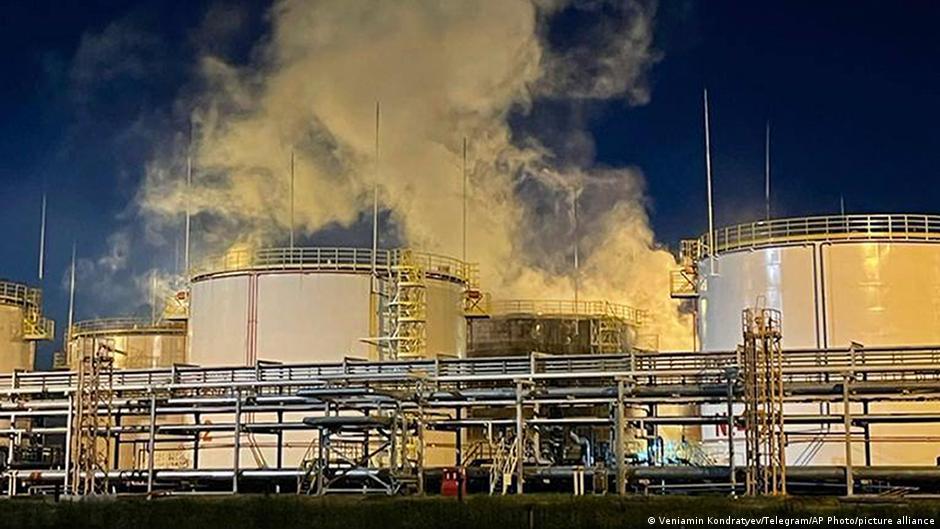
On the night of April 18, Ukrainian drone strikes targeted oil depots in Russia's Krasnodar Territory and the annexed city of Sevastopol, igniting fires but causing no reported casualties. The attacks underscore escalating tensions in the region and potential implications for the energy sector, including disruptions that could affect global supply chains and American businesses exposed to Russian energy markets.
Details of the Drone Strikes and Response
In the city of Tikhoretsk, located in the Krasnodar region, an oil depot caught fire following an attack by Ukrainian unmanned aerial vehicles (UAVs). Regional authorities confirmed that no deaths or injuries occurred. Firefighting efforts engaged 224 personnel and 56 pieces of equipment to contain the blaze. Similarly, in Sevastopol, a fire broke out at a fuel storage tank in the Kazachya Bukhta district. According to local administration head Mikhail Razvozhayev, preliminary reports indicate that the fire was triggered after a drone was shot down. The fire was limited in scope, and no individuals were harmed during the incident.
"The fire involves a reservoir containing residual fuel, and the area affected is small. No people were injured," said the head of Sevastopol's administration.
In the same night, air defenses reportedly destroyed 22 Ukrainian drones over Sevastopol. These strikes also prompted air raid alerts in Russia’s Leningrad region, with temporary flight restrictions imposed at Pskov airport. Additionally, Russia activated emergency response plans in airports across Saratov, Penza, Samara, and Ulyanovsk.
Implications for U.S. Businesses and Washington
These attacks come amid ongoing conflict and rising hostilities between Russia and Ukraine, with significant ramifications for U.S. interests. American companies engaged in energy markets and supply chains linked to Russia may face increased risks of supply interruptions or price volatility resulting from such attacks. Furthermore, the targeting of oil infrastructure highlights the vulnerability of energy assets in contested regions, potentially influencing global energy prices and complicating U.S. strategic planning.
From a political perspective, the strikes add pressure on Washington to evaluate responses that balance support for Ukraine with safeguarding global energy stability. The U.S. government and private sector stakeholders must monitor developments closely to anticipate disruptions that could impact commodity markets, investment decisions, and broader geopolitical dynamics.
As drone technology evolves and is increasingly deployed in asymmetric warfare, the attacks underscore the importance of advanced counter-drone measures and cybersecurity for protecting critical infrastructure. For American businesses, adopting robust risk mitigation strategies becomes essential to navigate the complexities of operating amid geopolitical conflicts.