Finland Seizes Russian Assets Worth €3.7M for Naftogaz Amid Arbitration Dispute
Finnish authorities confiscate Russian funds following Ukrainian gas company’s legal claims tied to Crimea asset dispute.
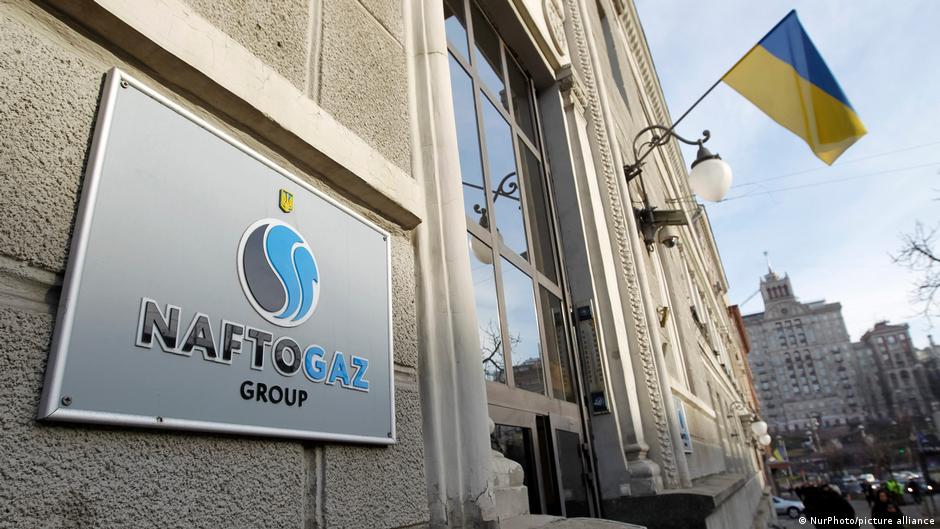
In a significant move reflecting ongoing tensions between Russia and Ukraine, Finnish authorities have confiscated Russian assets valued at approximately €3.7 million. This action was taken at the request of Ukraine's state-owned energy company, Naftogaz, which is pursuing compensation linked to Russian-annexed Crimea.
The Finnish Enforcement Service initiated the seizure earlier this year, targeting funds that Russia had allocated to a cross-border cooperation program with the European Union. Originally designed to foster economic development in border regions shared by Russia and Finland, the program was halted in 2022 following Russia's invasion of Ukraine. The funds, which remained in Finland after the program's suspension, have now been frozen and redirected in response to Naftogaz's claims.
Legal Background and International Arbitration
Naftogaz’s demand for asset seizures stems from a 2023 ruling by the Permanent Court of Arbitration in The Hague. The tribunal ordered Russia to pay Naftogaz $5 billion in compensation for the expropriation of the company’s assets in Crimea, which Moscow annexed in 2014. Russia has refused to comply with the award, prompting Naftogaz to seek enforcement of the decision in other jurisdictions, including Finland.
“Finland has previously seized Russian assets worth at least €40 million under Naftogaz’s claims, including properties such as land and buildings associated with the Russian Centre for Science and Culture,” the Finnish public broadcaster reported.
These measures mark an escalation in the use of international legal mechanisms to enforce arbitral awards relating to geopolitical conflicts. Finland's actions are particularly notable given its geographical proximity and historically pragmatic relations with Russia.
Implications for U.S. Businesses and Washington Policy
The Finnish seizures exemplify a broader trend of Western countries leveraging legal and financial tools to challenge Russian state interests. For U.S. businesses, particularly those engaged in energy and infrastructure, the precedent underscores the risks associated with operating in or near contested regions affected by geopolitical disputes.
Washington faces pressure to balance support for Ukraine with the need to manage its economic and diplomatic relations with Russia and European allies. The enforcement of arbitral awards by allied states may bolster the U.S. position in advocating for the rule of law and sanctions enforcement but could also complicate negotiations on broader economic issues.
Energy companies and investors should monitor developments closely, as similar legal claims could affect cross-border projects, financing, and asset security. The Finnish case highlights the potential for frozen or confiscated assets in jurisdictions aligned with U.S. policy objectives, emphasizing the intersection of law, politics, and economics in transnational conflicts.
Russia’s Foreign Ministry has condemned Finland’s actions, labeling them unlawful and warning of retaliatory measures against Helsinki. This diplomatic tension adds another layer of complexity to the security environment in Northern Europe and the Baltic region, where U.S. strategic interests are also deeply engaged.
In summary, Finland’s confiscation of Russian funds to satisfy Naftogaz’s arbitration claims signals an intensification of legal and economic challenges facing Russia internationally, with direct reverberations for U.S. policy and business operations in the region.