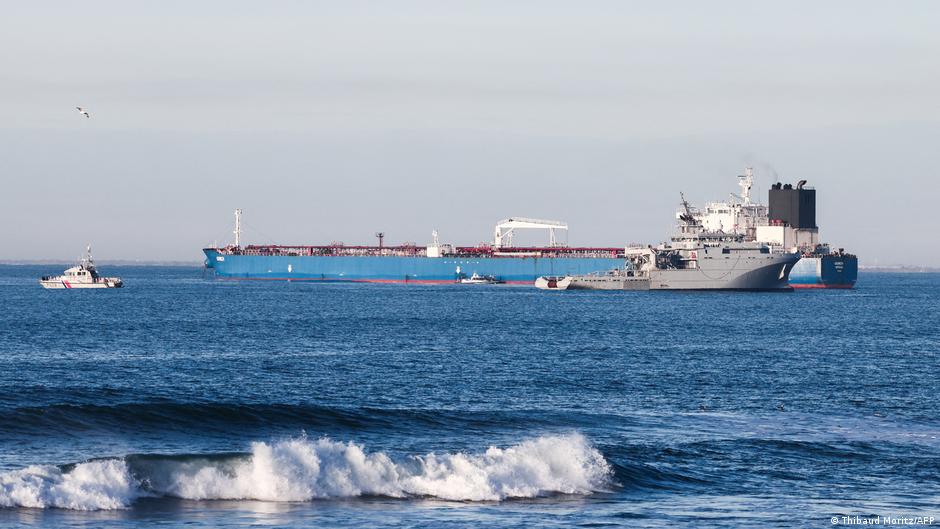
Fuel Sales Restrictions in Russia Escalate Amid Drone Attacks on Oil Infrastructure
Widespread fuel shortages in Russia threaten stability of energy supply, impacting US businesses reliant on Russian oil exports.
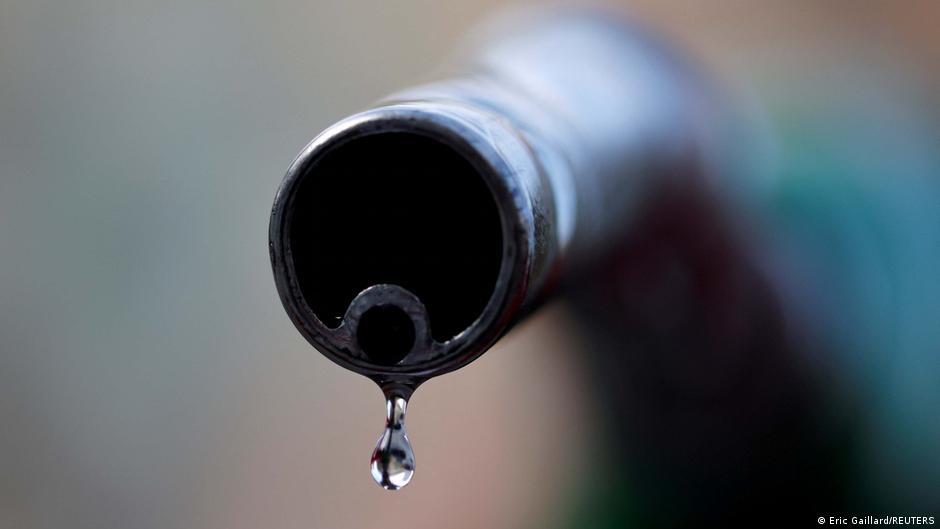
Russia is facing severe disruptions in its oil refining sector following intensified drone attacks targeting key oil refineries and storage facilities. These developments have led to unprecedented restrictions on retail fuel sales across more than fifty Russian regions, signaling a deepening fuel crisis that carries significant implications for global energy markets and US business interests.
Escalating Fuel Rationing and Regional Limitations
Since June 23, Russian oil giant Lukoil has imposed stringent limits on fuel sales at gas stations in the Voronezh region, capping gasoline purchases to 30 liters per transaction and diesel to 60 liters. Furthermore, sales along highways have been restricted to 60 liters of gasoline and 200 liters of diesel per fill-up.
Similarly, gubernatorial authorities across multiple Russian territories have announced analogous measures. In Omsk, Governor Vitaliy Khotsenko set gasoline limits at 40 liters and diesel at 80 liters to prevent artificial demand surges and speculative price hikes. The Irkutsk region’s governor, Igor Kobzev, acknowledged the critical situation, noting that some stations have already restricted or entirely halted fuel sales, prompting authorities to operate in a "manual mode" to manage distribution effectively.
Additional restrictions have been confirmed in Saratov, where gasoline sales per vehicle are limited to 30 liters through June 30, as well as in Amur, Tambov, Lipetsk, Tula, Tver, and Vladimir regions. These measures collectively underscore the widespread nature of the shortage.
"The fuel crisis necessitates unprecedented government intervention to prevent panic buying and ensure equitable distribution," said a regional official.
Implications for US Businesses and Energy Markets
The deteriorating situation in Russia’s oil sector stems from a series of Ukrainian drone attacks that have targeted and temporarily disabled vital oil processing infrastructure. According to data from Reuters, by late May, most major oil facilities in central Russia were forced to reduce or halt operations entirely, driving the country’s oil production to its lowest levels in over a year.
For American companies and policymakers, these developments carry multiple layers of significance. Firstly, disrupted Russian oil output contributes to global supply volatility, which can exacerbate fuel price fluctuations. US firms operating in energy trading, refining, and logistics must contend with potential supply chain instability and increased costs.
Secondly, the crisis may influence Washington’s strategic approach to energy security and sanctions enforcement. With Russian oil exports constrained, there could be shifts in market shares and pricing dynamics that affect US energy exports and diplomatic efforts to isolate Russia economically.
Lastly, the fuel rationing within Russia itself highlights the ongoing vulnerabilities of the country’s energy infrastructure amid the conflict, raising questions about the reliability of Russian oil as a stable source in international markets.
Overall, while the immediate effects are most acutely felt within Russia, the ripple effects extend globally, making vigilant monitoring essential for American businesses and policymakers.