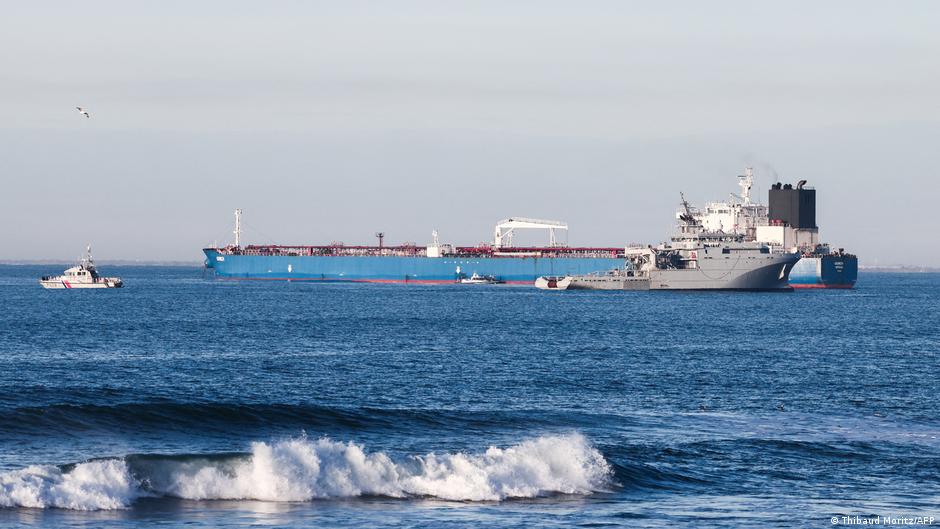
US and Iran Establish Communication Channel to Prevent Strait of Hormuz Incidents Amid Negotiations
Washington and Tehran agree on a hotline and roadmap to finalize deals within 60 days, aiming to secure safe passage for trade vessels through the Strait of Hormuz.

The United States and Iran have agreed to establish a dedicated communication channel aimed at preventing incidents and misunderstandings in the strategically vital Strait of Hormuz, a key maritime chokepoint through which a significant portion of the world's oil supply transits. This development was announced following a high-level negotiation round held at the Bürgenstock resort in Switzerland, mediated by Qatar.
Diplomatic Progress and Implications for US Business
The agreement to create a direct line of communication comes as part of a broader "roadmap" devised by a high-level committee to achieve final agreements within a 60-day timeframe. The roadmap was developed to facilitate immediate commencement of further technical negotiations, signaling a potentially significant de-escalation in regional tensions that have historically threatened global energy markets.
"The communication line is intended to prevent incidents and misunderstandings, ensuring the safe passage of commercial ships through the Strait of Hormuz," stated the Qatari Foreign Ministry, which played a key role in brokering the talks.
For American companies, particularly those involved in energy and shipping, this breakthrough could help stabilize supply chains and reduce the risk premiums associated with maritime transit through the Gulf. The Strait of Hormuz is a critical artery for global oil transportation, and any disruptions have historically triggered spikes in oil prices and market volatility.
Additionally, a trilateral dispute resolution group involving representatives from the US, Iran, and Lebanon has been established to address military operations in Lebanon, aiming to enforce terms of a recently signed Memorandum of Understanding. This signals a wider diplomatic effort that could further diminish regional conflicts impacting US strategic interests.
US and Iranian chief negotiators will continue to report progress to the high-level committee while leading working groups focused on nuclear issues, sanctions, and dispute monitoring. These efforts reflect Washington’s ongoing commitment to multilayered diplomacy despite complex geopolitical challenges.
Background and Strategic Context
The negotiations follow escalating tensions earlier in June, during which Iran announced the temporary closure of the Strait of Hormuz in response to Israeli military operations in Lebanon and perceived breaches of commitments by the US. Tehran’s armed forces cited these violations as justification for the closure, underscoring the fragility of regional security.
On June 15, US President Donald Trump and Iranian President Masoud Pezeshkian signed a framework agreement extending an April ceasefire and setting the stage for reopening the Strait and further talks. The 60-day deadline for finalizing agreements injects urgency into the diplomatic process, with the international community closely monitoring developments.
For American policymakers and companies, maintaining open and secure access to the Strait of Hormuz remains paramount. The new communication channel and negotiation roadmap could reduce the risk of sudden disruptions and contribute to more predictable maritime commerce, positively impacting the bottom line of US businesses reliant on stable oil prices and supply routes.
Qatar and Pakistan have expressed appreciation for both Washington and Tehran's commitment to diplomacy, highlighting the importance of continued peaceful resolution efforts. The Bürgenstock summit concluded on a positive note, reflecting constructive engagement despite longstanding hostilities.
Should these diplomatic efforts succeed, they may pave the way for improved US-Iran relations and a more stable security environment in the Persian Gulf, which is critical for global energy markets and American economic interests.