Russian Strikes on Zaporizhzhia Raise Concerns for US Business Interests and Regional Stability
Russian military attacks on Ukrainian civilian infrastructure in Zaporizhzhia highlight ongoing risks with implications for American companies and Washington’s strategic policies.
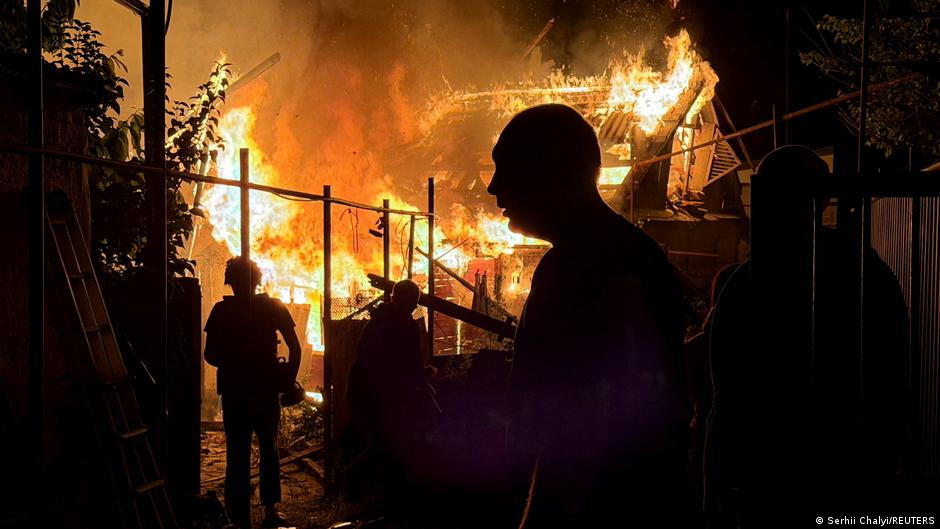
On the night of June 23, Russian forces launched attacks on the Ukrainian city of Zaporizhzhia, causing damage to civilian infrastructure and injuring at least two people. The strikes hit private homes, agricultural buildings, and a gas station, underscoring the persistent volatility in the region that continues to affect not only local populations but also international business and political interests, including those of the United States.
Impact on Civilian Areas and Broader Implications
Ivan Fedorov, the head of the Zaporizhzhia regional military administration, reported that several houses caught fire due to the shelling, though emergency responders managed to extinguish the flames. Two elderly civilians, a 73-year-old man and woman, sought medical assistance following the attack. The exact nature of the Russian munitions used remains unspecified, but prior warnings had indicated the potential use of precision-guided aerial bombs.
Simultaneously, in Kharkiv, two rockets struck near the Slobidsky district, and Russian drones were reported advancing toward the city, signaling an escalation in the use of unmanned aerial systems by Moscow. Ukrainian officials continue to assess the damage and casualties from these attacks.
"The increasing frequency and intensity of attacks on urban centers not only inflict humanitarian harm but also threaten the stability essential for economic recovery and international investment," noted a security analyst.
For Washington, the ongoing Russian aggression in eastern Ukraine poses multifaceted challenges. Economically, instability in key regions like Zaporizhzhia disrupts supply chains and energy infrastructure critical to global markets, impacting American companies with interests in Europe and beyond. Additionally, the destruction of civilian facilities and the resulting humanitarian crisis complicate diplomatic efforts and may force the US government to reconsider aid and sanctions policies.
At the international level, the United Nations recently held an emergency Security Council meeting at Ukraine’s request, following a concentrated wave of Russian strikes on June 15 that included damage to the historic Kyiv-Pechersk Lavra monastery. The UN Office of the High Commissioner for Human Rights reported that civilian casualties in Ukraine hit their highest level since April 2022, with at least 274 deaths and 1,763 injuries in May alone.
This sustained conflict environment threatens to prolong sanctions regimes and heighten geopolitical tensions, which can have direct repercussions for American businesses operating in or reliant on Eurasian markets. The US political leadership faces the challenge of balancing support for Ukraine’s sovereignty alongside managing economic risks and energy security concerns at home.
As the situation develops, American companies and policymakers alike must monitor how continued military actions affect regional stability, energy supplies, and the broader global economic landscape.