Germany Allocates Additional €300 Million for Czech-Led Ammunition Supply to Ukraine
Berlin commits further funds to support Czech initiative providing 50,000 rounds to Ukrainian forces amid ongoing conflict.
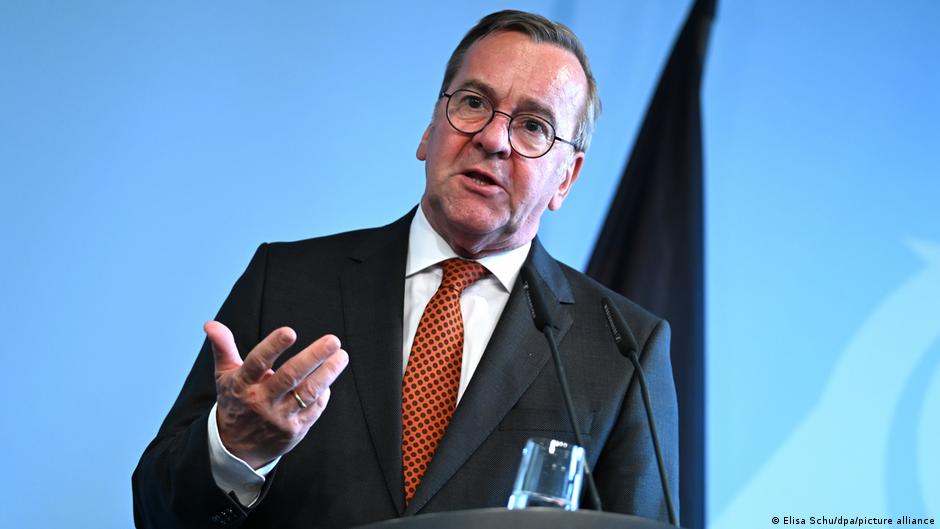
Germany has pledged an additional €300 million to a Czech-led effort to supply ammunition to the Ukrainian Armed Forces, according to Defense Minister Boris Pistorius. This funding is expected to cover roughly 50,000 rounds of ammunition essential to Kyiv’s military operations.
The announcement came following a meeting between Pistorius and his Czech counterpart, Jaromír Zuna, in Berlin on June 9. Germany remains the largest donor backing the Czech initiative, which aims to procure munitions from third-party countries to support Ukraine. The total German commitment for 2025 reaches €1 billion.
Strategic and Economic Implications for the US and Allied Interests
The German financial boost to this ammunition supply campaign highlights the continued European commitment to sustaining Ukraine’s defense capabilities amidst Russia’s ongoing invasion. For Washington, this development underscores the importance of transatlantic coordination and burden-sharing in military aid to Ukraine.
"Sustained European funding reduces the logistical and financial pressures on the US, enabling a more balanced distribution of military assistance among allies," said a defense policy analyst.
American defense contractors could see indirect effects from this initiative. As European nations ramp up their procurement efforts for weapons and ammunition to fulfill commitments under such initiatives, US companies manufacturing compatible ordnance and military equipment might experience increased demand through subcontracting or joint ventures. Moreover, Germany’s €1 billion pledge for 2025 signals a robust supply chain that US firms may tap into for technology exports or production partnerships.
Despite the Czech government’s initial hesitation under Prime Minister Andrej Babiš to provide financial contributions, the initiative proceeds with Prague facilitating procurement efforts without direct Czech funding. This arrangement alleviates some fiscal constraints within the EU, but the reduction in participating donor countries — from 18 in 2025 to nine as noted by Czech President Petr Pavel — may pressure remaining contributors like Germany to increase their financial roles to maintain ammunition flow to Ukraine.
The continuation and expansion of this initiative could also affect US foreign policy and defense budget decisions. As European allies take on a greater share of the ammunition financing burden, the Biden administration might reassess aid allocations or redirect funds toward other strategic priorities within the region.
Looking ahead, the future of the Czech initiative and broader ammunition supply efforts will be discussed at the upcoming NATO summit in Ankara, scheduled for July 7-8. This forum will provide a platform for allied nations to evaluate collective defense commitments and adjust support mechanisms for Ukraine in line with evolving battlefield requirements and political dynamics.