Germany Defends International Criminal Court Amid US Campaign Against Hague Tribunal
Berlin supports ICC independence as Washington escalates pressure over perceived threats to US sovereignty and personnel.
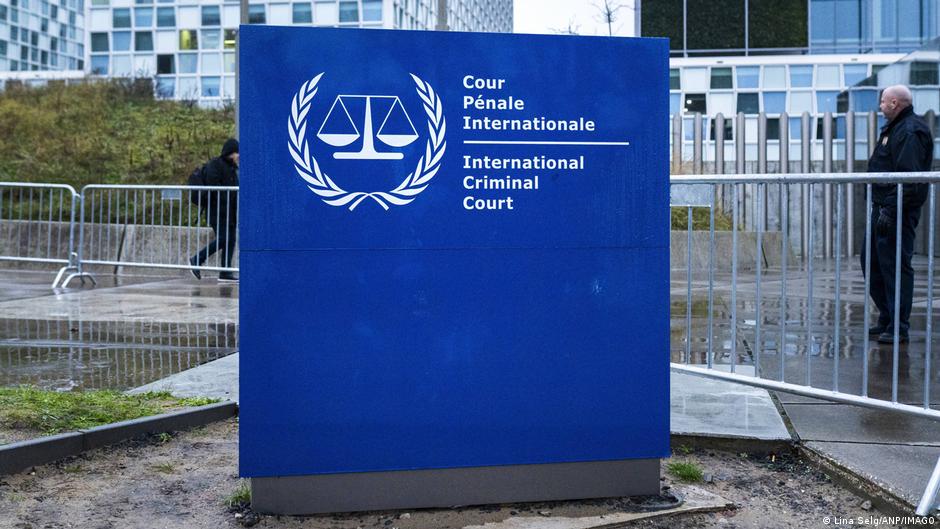
The German Foreign Minister Johann Wadephul publicly defended the International Criminal Court (ICC) following the United States' announcement of a broad campaign targeting the Hague-based tribunal. In an interview with Redaktionsnetzwerk Deutschland, Wadephul emphasized the Court's role in promoting global safety and justice.
German Support for ICC Contrasts with US Opposition
"The International Criminal Court makes the world safer and fairer," Wadephul stated, highlighting the Court’s accountability efforts in prosecuting severe crimes such as child soldier recruitment. He acknowledged that while the ICC may have shortcomings, these do not justify undermining the institution’s very existence and achievements.
"It is crucial to protect the ICC as an independent organization," the German Foreign Minister affirmed, underpinning Berlin’s commitment to international judicial systems and a rules-based global order.
Meanwhile, the European Commission dismissed claims by the Trump administration that the ICC threatens US sovereignty. Anwar al-Anuni, speaking for the Commission, condemned hostile rhetoric against the Court and its personnel. "The ICC does not target sovereign states nor jeopardize their sovereignty," he stressed.
The US Department of State escalated tensions on July 13, accusing the ICC of posing an "unacceptable threat to US sovereignty" and threatening new sanctions. The Department contended that the ICC asserts jurisdiction over American military and government officials, a claim rejected by the US across administrations since the Court's inception. The United States has never ratified the ICC’s founding Rome Statute.
Washington criticized the ICC for initiating investigations into US service members and intelligence officers and refusing to close these cases. The State Department accused the Court of aspiring to become an "unaccountable global arbiter," positioning itself above the authority of national governments.
In a video statement, US Secretary of State Marco Rubio characterized the campaign against the ICC as a battle not fought with weapons but with legal norms and international law, framing the ICC and its supporters as adversaries to US interests.
The US plans a "wide range" of actions including diplomatic efforts to persuade other countries to address alleged ICC abuses, calls for withdrawal from the Court, rejection of prosecutions against US personnel, and tighter controls over nations that do not comply with Washington’s demands. Potential measures also include travel bans and intensified sanctions against ICC employees.
These steps aim to systematically restrict the ICC’s ability to operate and to prevent prosecutions of Americans, while upholding what the US views as its sovereign protections.
While the Trump administration imposed multiple sanctions on the ICC and its staff, President Joe Biden lifted these sanctions in 2021 during his first year in office, signaling a partial softening of US policy. However, the recent campaign indicates a renewed assertiveness in Washington’s stance towards the Court.
For American companies and investors, the US government's opposition to the ICC signals a continued preference for unilateral approaches to international legal frameworks, with possible implications for multinational operations and compliance in jurisdictions where ICC influence is stronger. Washington’s insistence on protecting its personnel from ICC jurisdiction may affect diplomatic relations, potentially influencing trade partnerships and foreign policy alignments critical to US business interests.