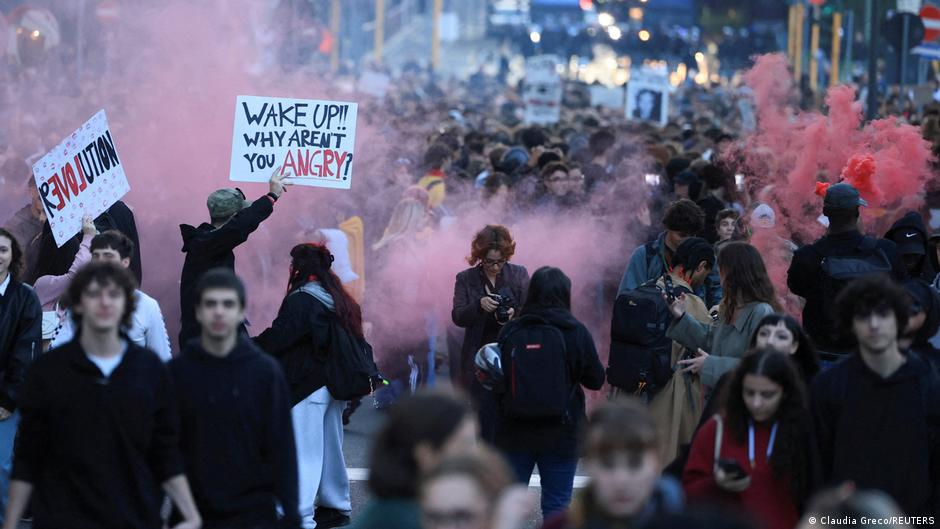
Rising Military Service Refusals in Germany Pose Concerns for US-German Security Cooperation
Germany's surge in military service refusals signals potential challenges for NATO alliances and US defense collaborations.
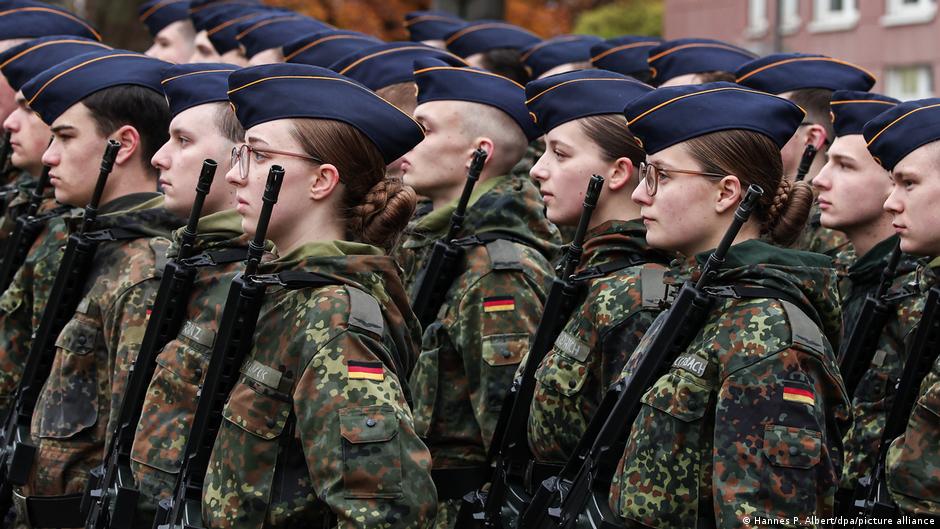
Germany is experiencing a significant increase in refusals to serve in the military, reflecting growing tensions in the security landscape and legislative reforms affecting conscription policies. This trend has important implications for US business interests and political strategies, especially given the close defense ties between Washington and Berlin.
Surge in Military Service Refusals Amid Security Concerns
In the first half of 2026, German authorities received 5,862 applications from individuals refusing military service, marking a sharp rise compared to 3,867 refusals in 2025 and 2,998 in 2024. The numbers exceed those recorded even at the suspension of mandatory conscription in 2011, when refusals totaled 4,348 for the entire year.
"The increase is driven by perceived security risks and recent changes to conscription laws," a Federal Office representative noted, highlighting public apprehension amid evolving geopolitical threats.
The legislative reform that came into effect on January 1 aims to modernize the Bundeswehr's recruitment framework. Notably, starting July 1, 2027, all 18-year-old males in Germany will undergo compulsory medical evaluations to determine fitness for service, regardless of voluntary enlistment decisions.
Moreover, Germany is considering reinstating partial compulsory military service, referred to as "military duty as needed," which would activate should voluntary recruitment fall short of targets. This move aligns with plans to boost active military personnel from 186,000 to 260,000 by 2035, signaling a strategic shift in national defense posture.
Implications for US-German Military and Economic Relations
The rising reluctance among Germans to participate in military service could complicate NATO's operational readiness and burden-sharing commitments, areas where US forces often rely on German cooperation. For American companies in the defense sector, such as those involved in supplying equipment or technology to the Bundeswehr, uncertainty around Germany’s military personnel levels could influence procurement and partnership strategies.
Additionally, a less robust German military presence may impact joint US-German initiatives aimed at countering emerging security challenges in Europe and beyond. Washington's diplomatic efforts to maintain strong transatlantic defense ties may need to adapt to domestic German skepticism about military engagement.
Furthermore, changes to conscription and military personnel policies could affect German economic contributors who provide services and products to the defense sector, potentially influencing supply chains that include American firms.
While the German Basic Law still protects conscientious objection rights, applications to refuse service can be submitted by new recruits, reservists, and active personnel alike. Interestingly, some individuals have also withdrawn previous refusal requests, indicating a complex and evolving public attitude toward military service.
For US policymakers and businesses, monitoring this trend is crucial to anticipating shifts in European defense dynamics and managing the associated economic and strategic risks.