Massive Fontainebleau Forest Fire Raises Concerns Over Climate Risks and Impacts on US Businesses
Two suspects detained after a vast wildfire near Paris amid Europe’s record heatwave, highlighting climate threats relevant to American companies and markets.
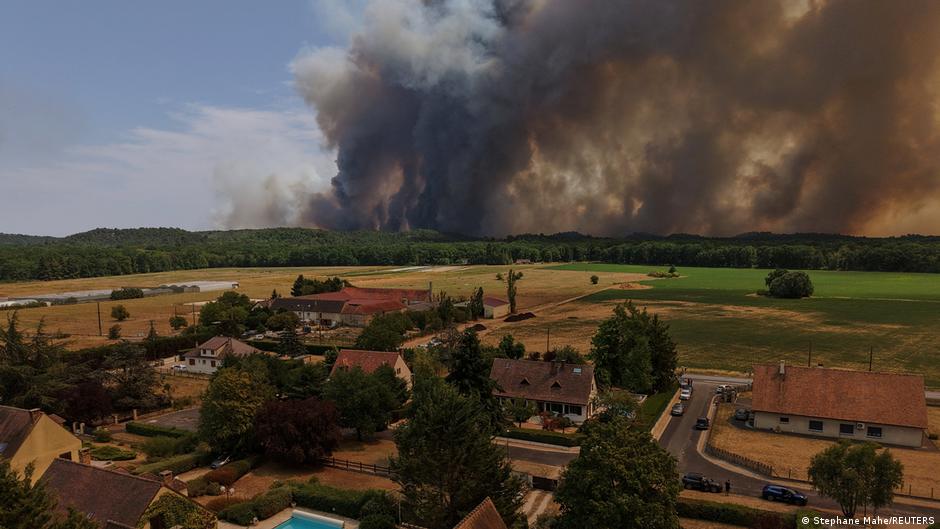
Authorities in France have detained two individuals suspected of causing one of the most severe forest fires near Paris in recent years. The blaze in the Fontainebleau forest, located about 60 kilometers southeast of the French capital, scorched over 1,300 hectares of woodland and forced the evacuation of nearly 1,000 residents.
French Interior Minister Laurent Nuñez announced on July 13 that the two detainees face accusations of "intentional or accidental arson." One suspect, an 18-year-old with no prior convictions, was found with soot-covered hands and a lighter at the time of arrest, signaling potential culpability.
Firefighting Efforts and Environmental Context
The firefighting response was substantial, involving 600 firefighters and multiple aircraft, including four Canadair water bombers, two Dash planes, and three helicopters. A total of 187 water drops were conducted to contain the blaze. Despite these efforts, the fire led to significant damage and roadway closures, underscoring the scale of the emergency.
"Even with nightfall, around 600 firefighters remained on watch, continuing their battle against the flames," said Jean-Marc Sicard, the commander overseeing the operation.
This incident unfolds amid France’s third heatwave of the year, with wildfires having already affected 32,000 hectares nationwide—double the area burned during the same period last year. Authorities have detained 59 people across the country on suspicion of starting fires either deliberately or through negligence, such as discarding cigarettes improperly.
Europe as a whole is grappling with alarming climate trends. According to the European Copernicus Climate Change Service (C3S), June 2026 recorded the hottest temperatures ever observed in Western Europe, with average readings about 3°C above the 1991-2020 June average. The Robert Koch Institute in Germany estimates that the recent heatwave may have caused approximately 5,100 excess deaths in June alone, with the true toll possibly even higher.
Implications for US Businesses and Policy
While the Fontainebleau fire occurred in Europe, the event carries important implications for American companies and policymakers. The increasing frequency and severity of wildfires driven by climate change pose supply chain risks and operational challenges for US firms with European exposure. Energy demand spikes during heatwaves can create volatility in markets, affecting costs and financial planning.
Moreover, the rise in climate-related disasters globally underscores the urgency for US businesses to accelerate climate risk assessments and integrate resilience measures. Investors and regulators in the United States are increasingly scrutinizing environmental, social, and governance (ESG) factors, and events like the Fontainebleau fire highlight the need for robust climate strategies.
From a policy perspective, Washington may need to consider enhanced international cooperation on climate adaptation and disaster response. Supporting global efforts to mitigate greenhouse gas emissions and funding research into wildfire prevention and firefighting technologies may also yield long-term benefits for American interests.
As extreme weather events become more common, the Fontainebleau wildfire serves as a stark reminder that climate risks transcend borders and necessitate a coordinated response involving both public and private sectors across the Atlantic.