US Pushes to Restore Iraq-Syria Oil Pipeline to Bypass Strait of Hormuz and Curtail Iran’s Influence
Washington negotiates with Iraqi, Syrian officials and American energy firms to revive a decades-dormant oil pipeline offering an alternative export route.
The United States is actively promoting the restoration of a long-defunct oil pipeline running from Iraq to Syria’s western coast, aiming to reduce Tehran’s leverage over global energy supply routes, according to recent reports.
Strategic Energy Infrastructure and US Business Involvement
Thomas Barrack, the US Special Presidential Envoy for Syria and Iraq, has engaged in talks with officials from both countries, as well as with representatives from major corporations including Chevron Corporation. The discussions center on reviving the pipeline that once transported crude from Kirkuk in northern Iraq to the Syrian port of Banias, which has been out of operation for over 20 years.
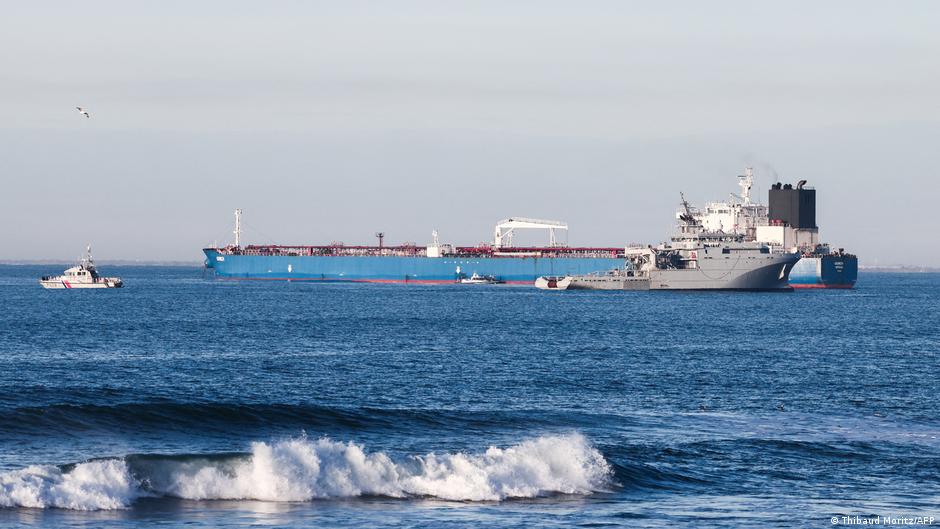
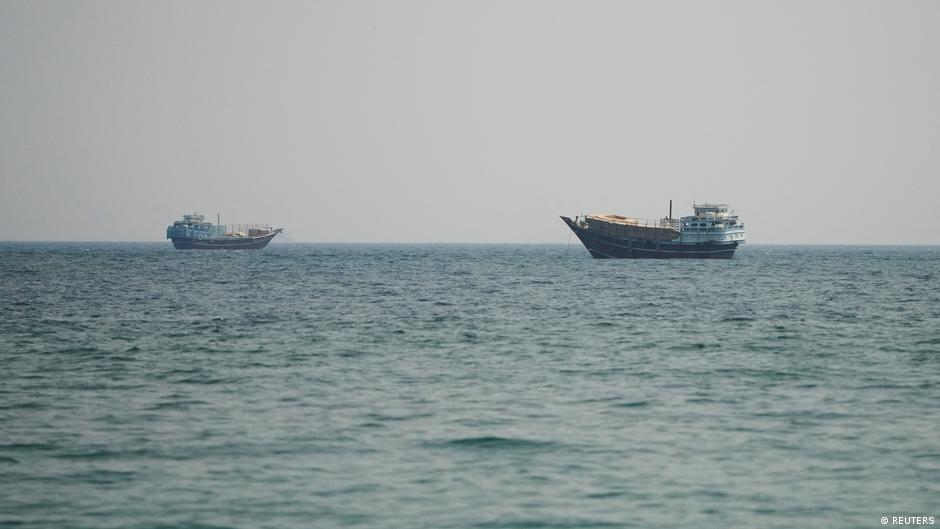
While alternative routes are being considered, the primary focus remains on rehabilitating this existing pipeline corridor to circumvent the Strait of Hormuz. The strait, a strategic chokepoint, is currently under the influence of Iran, and tensions there have recently escalated, prompting Washington to seek more secure and diversified energy pathways.
A State Department representative confirmed that the US administration expects American companies to play a leading role in the reconstruction and operation of this infrastructure, underscoring the commercial opportunities for US energy firms in the Middle East.
"The US aims to establish energy export routes that bypass the Strait of Hormuz, diminishing Iran’s strategic control over the region’s oil shipments," said a senior source involved in the negotiations.
President Donald Trump met with Iraqi Prime Minister Ali al-Zaydi at the White House, announcing that major new oil partnerships would be declared imminently. This development signals Washington’s intent to deepen energy collaborations with Iraq and Syria, potentially reshaping the regional energy landscape.
Challenges and Implications for US Businesses
Despite the strategic appeal, reconstructing the pipeline faces significant security and political challenges. Proposed routes traverse areas in western Iraq’s Anbar province and eastern Syria where ISIS cells remain active. Investors and companies, including Chevron, TotalEnergies, Los Angeles-based TI Capital, and Qatar’s UCC Holding, are evaluating the risks associated with operating in post-conflict zones that require stabilization efforts.
The project’s success hinges on the ability of new local administrations to maintain security and foster economic recovery after years of civil war. However, if achieved, the pipeline would bolster Syria’s role as an energy export hub and provide US companies with new market footholds that circumvent Iranian-controlled maritime routes.
Meanwhile, the US has also resumed a maritime blockade strategy in the Strait of Hormuz, intensifying geopolitical tensions. Yet, President Trump recently abandoned a proposed 20% levy on maritime cargo, opting instead to pursue revenue through trade agreements with Gulf states, signaling a nuanced approach to regional economic engagement.
For US businesses, especially in the energy sector, the pipeline rehabilitation project represents both a strategic geopolitical play and a potential driver of revenue growth and market expansion in a region critical to global oil supply security.