Germany Identifies 410 Islamist Threats Amid Rising Radicalization Concerns Impacting Global Security
German authorities report 410 individuals as Islamist threats, highlighting challenges for counterterrorism efforts with implications for U.S. security and businesses.
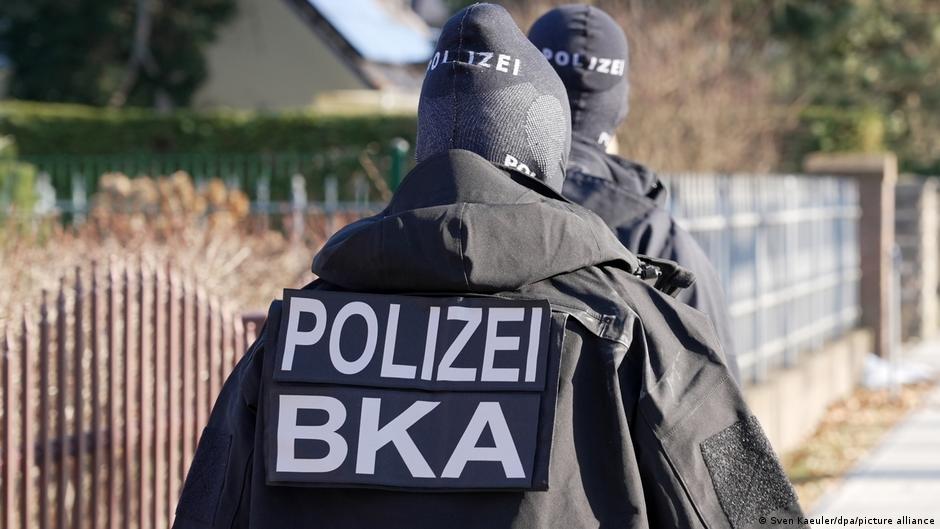
German security agencies have identified 410 individuals as potential Islamist threats as of mid-2026, underscoring ongoing challenges in combating radicalization within Europe. This development has significant implications for transatlantic security cooperation and the operational environment for American companies in Germany and across Europe.
Growing Islamist Threats and Government Response
The Federal Criminal Police Office of Germany (Bundeskriminalamt, BKA) reported on July 28 that 410 people are currently classified as threats linked to Islamist activities. These individuals are considered capable of carrying out serious violent crimes, including terrorist attacks. Alongside Islamist threats, security services have identified 65 potential right-wing extremists and 17 potential left-wing extremists.
The designation of threat status is managed by Germany’s federal states, with each case evaluated individually. This number fluctuates depending on evolving assessments of individuals and their networks.
Parallel to threat monitoring, the Federal Office for Migration and Refugees’ Radicalization Consultation Center in Nuremberg recorded 165 consultation requests in the first half of 2026, consistent with high levels comparable to 2023. These inquiries often come from official institutions such as schools and family members concerned about potential radicalization among youth. Notably, parents constitute the largest group seeking advice, with the average age of those at risk just under 19 years.
“The need for consultations regarding forms of Islamist radicalization remains high, reflecting broad societal concern following recent traumatic events,” said a BKA representative.
Heightened public vigilance followed the October 7, 2023 terrorist attack by the Palestinian Islamist group Hamas against Israel, which spurred increased awareness and reporting across Germany.
Case Study: Islamist Radicalization and Security Failures
One high-profile incident illustrating ongoing challenges involved Abdul B., a 21-year-old German citizen of Lebanese descent from Berlin. Abdul B. was involved in a violent attack during the Christopher Street Day (CSD) LGBTQ parade in Berlin on July 25, when he drove a white van into a crowd near the Brandenburg Gate. The attack resulted in one death and 29 injuries. After exiting the vehicle, he also stabbed several attendees.
Authorities linked Abdul B. to Islamist circles. He had recently been released from a juvenile detention center in May 2026, where he was held on suspicion of planning a terrorist attack. Previously, law enforcement detained him at Berlin-Brandenburg airport after returning from Lebanon, suspecting he attempted to join ISIS in Syria.
German Interior Minister Alexander Dobrindt classified the attack as an Islamist terrorist act. The head of the German Police Union, Dirk Peglow, criticized the inadequate monitoring and deradicalization efforts for individuals like Abdul B., arguing that release from custody should not reduce state attention and that deradicalization programs must begin during detention and continue afterward.
Bavarian Interior Minister Joachim Herrmann called the court's decision to sentence Abdul B. to a suspended prison term for preparing a violent crime "a catastrophe," emphasizing the risks posed by leniency in handling high-threat individuals.
Implications for U.S. Businesses and Policy
These developments signal ongoing threats that transcend national borders, affecting security environments where American companies operate. Heightened Islamist threats and radicalization in Europe can disrupt supply chains, increase security costs, and lead to unpredictable regulatory and law enforcement responses.
U.S. businesses with European footprints must remain vigilant, adapting security protocols to evolving risks. Additionally, these challenges underscore the importance of continued intelligence sharing and counterterrorism collaboration between Washington and European partners.
As radicalization concerns persist, U.S. policymakers face pressure to support initiatives that strengthen European security frameworks and deradicalization efforts. Failure to adequately address these threats risks spillover effects that could impact American interests globally.