Germany to Transfer Nord Stream Power Plant to Ukraine in Humanitarian Aid Move
German firm plans to hand over gas-fired power station previously serving Nord Stream pipeline to Ukraine, impacting energy dynamics amid geopolitical tensions.
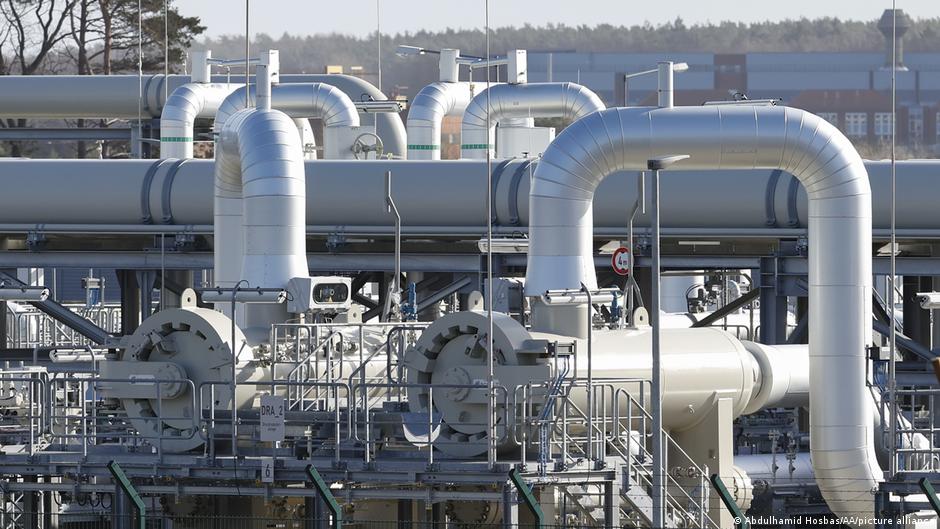
Germany is set to transfer a gas-fired combined heat and power plant (CHP) near Greifswald that formerly served the Nord Stream gas pipeline to Ukraine as part of a humanitarian aid package. The plant, owned by Industriekraftwerk Greifswald GmbH (IKG) and operated by German company Sefe Securing Energy for Europe, was integral to providing technological heat for the Russian gas supply through the Nord Stream pipeline before supply ceased.
Implications for Energy Security and US Business Interests
The move follows Russia’s cessation of gas deliveries via Nord Stream in September 2022, which rendered the plant economically unviable. With no alternative heat consumers, the plant was shut down entirely in 2023. Attempts to find a buyer were unsuccessful, prompting Sefe to opt for a transfer of the facility to a Ukrainian energy operator, with the recipient responsible for logistics and removal.
This transfer symbolizes Germany's broader pivot away from Russian energy dependency, aligning with Western sanctions and support for Ukraine amid ongoing conflict. For American companies and policymakers, this development highlights the evolving European energy landscape and the potential for increased US involvement in supporting Ukraine’s energy infrastructure upgrades.
"This decision is economically rational for us, avoiding dismantling costs, while supporting Ukraine’s energy resilience," said Sefe representatives.
The power station has an output capacity of approximately 84 MW of heat and electricity, which could contribute meaningfully to Ukrainian energy needs during a critical period of war-induced infrastructure damage. From a U.S. geopolitical perspective, bolstering Ukraine’s energy independence weakens Russian leverage and aligns with Washington’s strategic goals.
Furthermore, the transfer may indirectly affect American energy companies by opening avenues for cooperation in Ukraine’s energy sector reconstruction, potentially inviting US technology and investment to rebuild and modernize power infrastructure.
As Germany and other allies continue to reduce reliance on Russian fossil fuels, the significance of facilitating alternative energy solutions for Ukraine increases. The handover of the Greifswald plant exemplifies tangible steps by European partners to support Kyiv, while also reshaping energy markets and security considerations relevant to American businesses and policymakers alike.