Hungarian PM Discusses EU Funding Unfreeze with European Commission Amid Political Shift
New Hungarian government engages with EU to restore billions in frozen funds, signaling potential easing of tensions impacting US-EU economic relations.
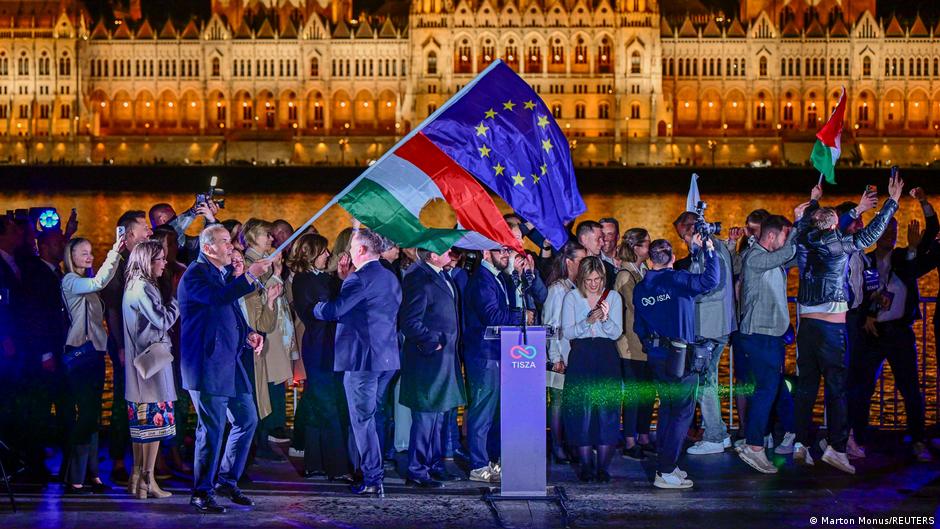
Hungary’s incoming Prime Minister, Péter Madarász, is set to meet with European Commission President Ursula von der Leyen to negotiate the release of billions of euros in EU funds previously withheld due to concerns over governance and rule-of-law issues under Viktor Orbán’s administration.
On April 26, Madarász announced via social media that he will travel to Brussels for informal talks aimed at unblocking financial aid from the EU budget, emphasizing the urgency of the matter. This move follows the electoral victory of Madarász’s party, Tisa, and marks a potential pivot in Hungary’s relationship with Brussels.
Background: Frozen EU Funds and Political Implications
During Orbán’s tenure, the European Commission froze approximately €35 billion in various funding streams allocated to Hungary. These included economic recovery subsidies following the COVID-19 pandemic, cohesion funds targeted at Hungary’s poorer regions, and a notable freeze of €17 billion in defense credits effective since March 2026. The freezes were a consequence of Hungary’s failure to align its national laws with EU democratic standards and core European values, as well as strained relations with Kyiv amid regional tensions.
Following the recent election, the European Commission expressed willingness to collaborate with the new Hungarian government to lift these restrictions. However, the release of funds is contingent on a series of conditions, including comprehensive domestic reforms and the restoration of constructive dialogue between Budapest and Kyiv.
"Time is of the essence," Madarász stated, underscoring the critical need to restore Hungary's access to EU funding promptly.
These developments carry significant implications for US businesses and political interests. Hungary’s access to EU funds influences regional economic stability and investment climates, affecting multinational corporations with operations or supply chains in Central Europe. Moreover, improved Hungary-EU relations may impact US-EU cooperation on broader geopolitical issues, including security and sanction enforcement related to Eastern Europe.
For American companies, the potential thaw in EU-Hungary financial relations could signal more predictable regulatory environments and revitalized infrastructure investment opportunities. Conversely, ongoing political demands by the EU on Hungary could delay economic normalization and thus prolong uncertainties impacting foreign investors.
The Biden administration closely monitors these shifts, given Hungary’s strategic location and role within NATO. Restored EU funding and reforms in Budapest could enhance transatlantic cohesion and foster a more unified approach to regional challenges, including countering malign Russian influence.
In summary, the upcoming negotiations between Hungary’s new government and the European Commission represent a critical juncture with direct consequences for US business interests and Washington’s strategic objectives in Central and Eastern Europe.