Trump Suspends U.S. Negotiator Flights to Pakistan Amid Iran Diplomacy Standoff
U.S. President Trump halts envoy travel to Pakistan for Iran talks, citing American leverage and calling for direct Tehran engagement with Washington.
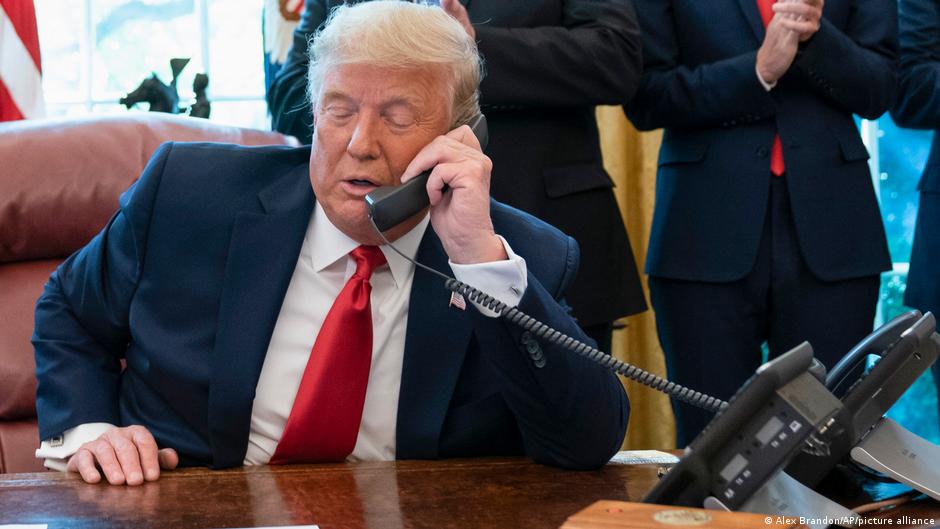
President Donald Trump announced a halt to U.S. diplomatic travel to Pakistan intended for negotiations with Iran aimed at ending hostilities. Speaking in a Sunday interview on Fox News’ The Sunday Briefing, Trump justified the decision by emphasizing the United States’ strategic advantage in the ongoing conflict with Iran.
"We have all the cards in our hands. If they want to talk, they can come to us or call us. We have phones," Trump said. "We have secure lines, though honestly, I’m not sure any phone line can be completely secure, but we have secure lines." The president stressed that sending envoys on lengthy 18-hour trips to Pakistan was inefficient. "If they want, we can talk, but we’re not going to send people on an 18-hour journey just to meet," he added.
This announcement came a day after Trump canceled a scheduled trip by U.S. negotiators Stephen Witkoff and Jared Kushner to Islamabad, where a new round of talks with Iran was planned for late April. On social media, Trump criticized the internal discord within the Iranian negotiating team and highlighted the United States’ upper hand in the standoff.
"Too much time wasted traveling, too much work! Also, there is huge infighting and confusion among their ‘leadership.’ No one knows who is in charge, including themselves. Besides, we hold all the cards and they have none!"
Meanwhile, Iranian Foreign Minister Abbas Araghchi, the delegation’s chief negotiator, departed Pakistan the same day. Araghchi confirmed Iran’s presentation of a realistic framework for finalizing the cessation of hostilities, but expressed doubts about Washington’s commitment to diplomacy saying, "It remains to be seen how serious the U.S. really is about diplomacy."
Impact on U.S. Foreign Policy and Business Interests
The breakdown in direct negotiations and the suspension of envoy travel to Pakistan underscore heightened tensions and challenges in resolving the conflict with Iran. The U.S. blockade of the Strait of Hormuz announced by Trump shortly after the failed talks has significant geopolitical and economic implications, especially for American companies dependent on Middle Eastern energy supplies and global shipping routes.
Iran’s insistence on the lifting of the U.S. blockade of its ports as a precondition for advancing talks remains a critical sticking point. Conversely, the Trump administration demands that Iran cease efforts to revive its nuclear program, which Washington cites as the core cause for the conflict alongside Israel’s concerns.
The continuing ceasefire in the Middle East, initially declared for two weeks, has been extended reportedly at Iran’s request, according to President Trump, who said it will remain in effect "until the negotiations conclude in some form." This ongoing pause provides a narrow window for diplomacy but the U.S. decision to curtail in-person negotiations could complicate prospects for progress.
For American businesses, the instability and diplomatic impasse introduce uncertainty in energy markets and regional security. Companies operating in sectors ranging from oil and gas to shipping and manufacturing may face disruptions linked to sanctions enforcement and fluctuating oil prices driven by geopolitical risks. The Trump administration’s hardline stance aims to pressure Iran into concessions but also elevates the stakes for U.S. firms with Middle East exposure.
As Washington recalibrates its approach by pushing for direct telephone diplomacy rather than in-person meetings abroad, the effectiveness of such engagement remains to be seen amidst complex regional dynamics and internal Iranian political fragmentation.