Hungary Reinstates Ban on Ukrainian Agricultural Imports Impacting US Agribusiness Exports
Hungary reverses a procedural lapse to renew its ban on Ukrainian farm products, with potential ripple effects on US agricultural trade and European market dynamics.
Hungary’s government announced it will reinstate its ban on agricultural imports from Ukraine after the prohibition temporarily lapsed due to a procedural mistake linked to a governmental transition. This development raises concerns for American agribusinesses as it could reshape agricultural trade flows within Europe, a key market for US exports.
Background and Policy Reversal
The ban was initially imposed by Hungary’s previous administration under Prime Minister Viktor Orbán in April 2023 as part of emergency measures aimed at protecting domestic farmers. However, the ban unexpectedly expired on May 14, 2026, because of a legislative oversight during the change of government.
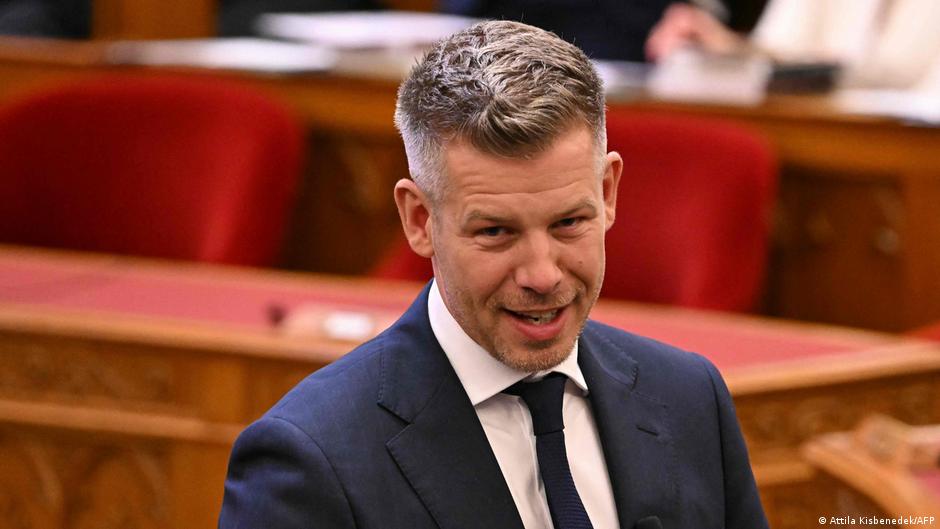
New Prime Minister Péter Magyar confirmed on social media that the ban would be swiftly reinstated. Hungarian Agriculture Minister Sabolcs Bona emphasized the government’s commitment to safeguarding local farmers' livelihoods from competition posed by Ukrainian imports. The restrictions cover approximately 20 product categories, including beef, pork, poultry, eggs, grain, flour, sunflower oil, and rapeseed oil. Honey is also likely to be added to the list.
"We will not allow Ukrainian imports to threaten the means of existence for Hungarian farmers," said Minister Bona.
European and American Business Implications
The European Union lifted tariffs on Ukrainian agricultural products in May 2022 to support Ukraine’s war-affected economy following Russia’s full-scale invasion. This policy shift, while politically motivated, triggered dissatisfaction among farmers in countries bordering Ukraine, prompting nations like Hungary, Poland, and Slovakia to introduce temporary import bans.
For US agricultural exporters, Hungary’s renewed ban introduces uncertainty into supply chains and market access within the EU, a primary destination for American agricultural goods such as meat, grains, and oils. Given Hungary’s strategic location and role within the EU agricultural market, restrictions there could divert Ukrainian shipments elsewhere, potentially increasing competition for US exports or complicating established distribution routes.
Moreover, the Hungarian move reflects the broader EU challenge of balancing geopolitical solidarity with Ukraine against protecting local agricultural sectors. This tension signals a tricky operating environment for American agribusinesses relying on stable and open European markets amid the ongoing war and shifting regulatory landscapes.
Additional Political Developments: Hungary and the International Criminal Court
Alongside agricultural policy changes, Hungary’s government announced it is retracting its previous withdrawal notice from the International Criminal Court (ICC). The decision, made by the former administration in April 2025, would have taken effect approximately a year later. The initial withdrawal created diplomatic controversy, particularly given the timing coinciding with Israeli Prime Minister Benjamin Netanyahu’s visit to Hungary amid an ICC arrest warrant against him.
The ICC, based in The Hague, investigates serious international crimes including genocide and war crimes. Hungary has been a signatory to the Rome Statute that established the ICC since 1999 and ratified it in 2001. The government’s reversal to remain within the ICC framework signals a renewed commitment to multilateral legal institutions, which may influence EU relations and political stability in the region.
Conclusion
Hungary’s reinstatement of the Ukrainian agricultural import ban underscores persistent protectionist pressures within the EU, complicating the bloc’s unified stance on supporting Ukraine amid conflict. For US businesses, especially in agriculture, this policy development necessitates close monitoring of European regulatory shifts that could affect market access and competitive dynamics. The simultaneous political realignment regarding the ICC reflects Hungary’s efforts to stabilize its international relations, further influencing the geopolitical landscape that underpins transatlantic economic ties.