Israeli Airstrikes on Iran Escalate Tensions Amid US-Iran Peace Talks
Israeli forces launched air attacks in Iran following Iranian missile strikes on Israel, complicating US efforts for a peaceful agreement with Tehran.
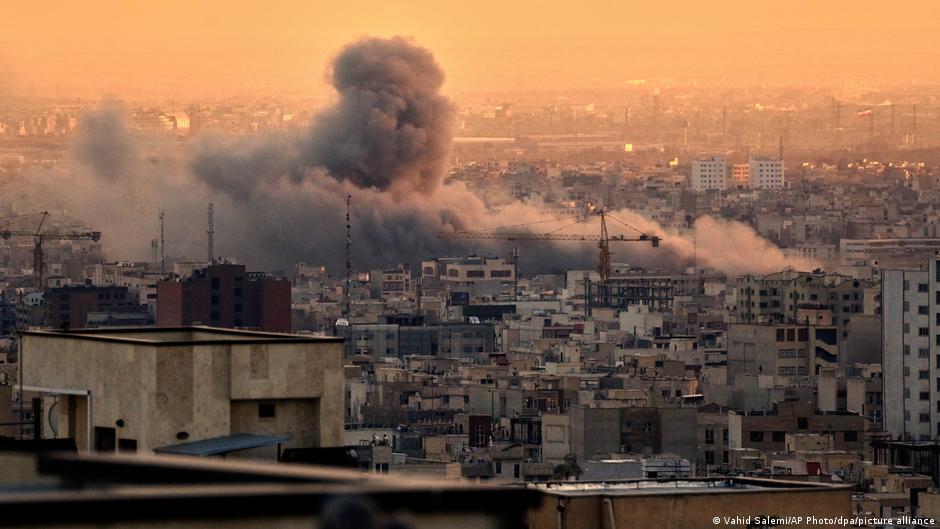
Israeli Defense Forces (IDF) have conducted targeted airstrikes against locations in western and central Iran in retaliation for recent missile attacks by Tehran on Israeli territory. The escalation, confirmed early Monday, June 8, marks a significant spike in hostilities between the two countries.
Israeli military officials did not disclose specific targets struck during the operation. However, the strikes are understood as a direct response to Iran's rocket attacks reported the previous evening. Israeli civilians were cautioned to seek shelter in protected areas, and nationwide school closures were enacted as precautionary measures.
Context of Rising Hostilities and US Diplomatic Efforts
The background to these tit-for-tat attacks involves a broader regional conflict centered on Iran's support for militant groups such as Hezbollah. Earlier on the same day of the Iranian rocket attack, Israel targeted what it described as "terrorist headquarters" belonging to Hezbollah in Beirut, Lebanon. Israeli Prime Minister Benjamin Netanyahu and Defense Minister Israel Katz emphasized these sites as central to Iran-backed militant command structures.
In Tehran, Iranian officials characterized Israel's retaliatory strike as a "warning," reflecting the heightened tension across the region. These developments unfold amid ongoing efforts by the United States to broker a peace agreement with Iran, a process underscored by statements from US President Donald Trump.
"I make all the decisions. Netanyahu doesn’t make the decisions," Trump stated in a June 7 interview with the Financial Times, signaling Washington’s primary role in shaping any peace deal with Tehran and implying Israeli compliance with US terms.
Recent reports from the American news portal Axios cited US officials indicating that negotiators for the two countries have preliminarily agreed on a framework to resolve the military conflict that intensified in late February. Yet, President Trump has withheld full endorsement, emphasizing that any agreement must meet core US demands, notably Iran’s cessation of nuclear weapons development efforts.
Iranian leadership has maintained that no final accord to end hostilities with the United States has been reached, sustaining an atmosphere of diplomatic uncertainty.
Implications for American Businesses and Washington
The renewed violence between Israel and Iran threatens to destabilize a region critical for global energy supplies, potentially impacting oil markets and increasing volatility. US companies operating in sectors sensitive to Middle Eastern geopolitics—including energy, defense, and technology—face heightened risk as regional security deteriorates.
Moreover, Washington's diplomatic strategy hinges on balancing support for Israel’s security while advancing a cautious rapprochement with Tehran. The complexity of this balancing act affects congressional deliberations on sanctions, defense budgets, and trade policies related to both countries.
As the situation evolves, American businesses and policymakers will closely monitor developments, weighing the prospect of prolonged conflict against potential breakthroughs in US-Iran relations.