Kosovo’s Ruling Party Wins Parliamentary Election Amid Ongoing Political Instability
Albin Kurti’s Self-Determination Party secures 43% of votes but must form coalition amid governance challenges.
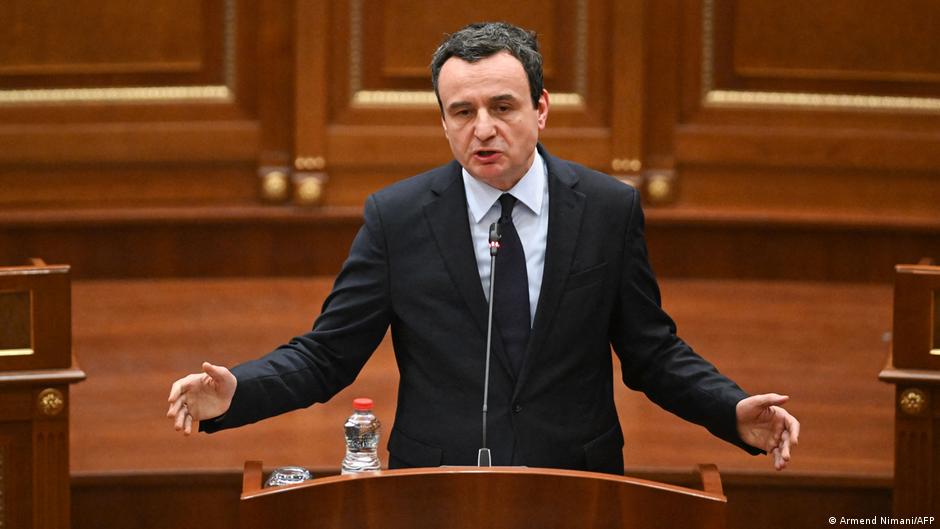
Kosovo’s ruling party, Self-Determination, led by Prime Minister Albin Kurti, has won the latest parliamentary elections with 43% of the vote, official results revealed after nearly all ballots were counted on June 7. Despite the victory, the party faces the challenge of forming a coalition government amid political deadlock.
The party’s closest competitor, the Democratic Party of Kosovo, garnered 21% of votes, followed by the Democratic League of Kosovo with 18%, and the Alliance for the Future of Kosovo with about 7%. Voter turnout was under 37%, reflecting ongoing political disengagement.
This election marks the third parliamentary vote in Kosovo within 18 months, highlighting persistent instability. Self-Determination had previously achieved a majority of 51.1% in December 2025 but was unable to form a stable government after parliamentary dissolution in April due to disputes over the presidential candidate.
Implications for Western Policy and US Business Interests
Kurti’s Self-Determination party maintains a pro-Western stance, aiming to integrate Kosovo into the European Union. Brussels stresses the need for stable state institutions as a prerequisite for reforms and EU accession. This political uncertainty complicates Kosovo’s reform trajectory, which has direct relevance for US foreign policy and American businesses operating in or engaging with the region.
"Kosovo’s political volatility challenges the formation of effective governance necessary for EU integration and regional stability," analysts note.
From Washington’s perspective, a stable and reform-oriented Kosovo is critical not only for regional security in the Balkans but also for protecting investments by American companies and advancing US strategic interests. Kosovo’s ongoing tension with its Serbian minority, particularly in the northern regions, and Kurti’s firm approach to consolidating government control could affect regional dynamics and foreign business operations.
The unresolved status of Kosovo, which declared independence from Serbia in 2008 but remains unrecognized by Serbia, Russia, and five EU member states—including Spain and Greece—adds complexity to diplomatic efforts. The US has been a key supporter of Kosovo’s independence and its political stabilization efforts.
For American companies, especially those involved in infrastructure, telecommunications, and energy sectors in Kosovo, continued political instability may introduce risks related to policy unpredictability and governance challenges. The necessity for coalition-building in the new parliament means potential delays or shifts in economic reforms and regulatory frameworks critical to foreign investment.
As Kosovo navigates this political crossroads, Washington and US businesses will closely monitor developments impacting regional security, EU accession timelines, and economic opportunities, balancing support for democratic governance with pragmatic engagement strategies.