Latvian Defense Minister Resigns Following Drone Airspace Breach Amid Ukraine-Russia Conflict
Latvia’s defense chief steps down after Ukrainian drones unintentionally violate Latvian airspace, raising security concerns relevant to U.S. regional interests.
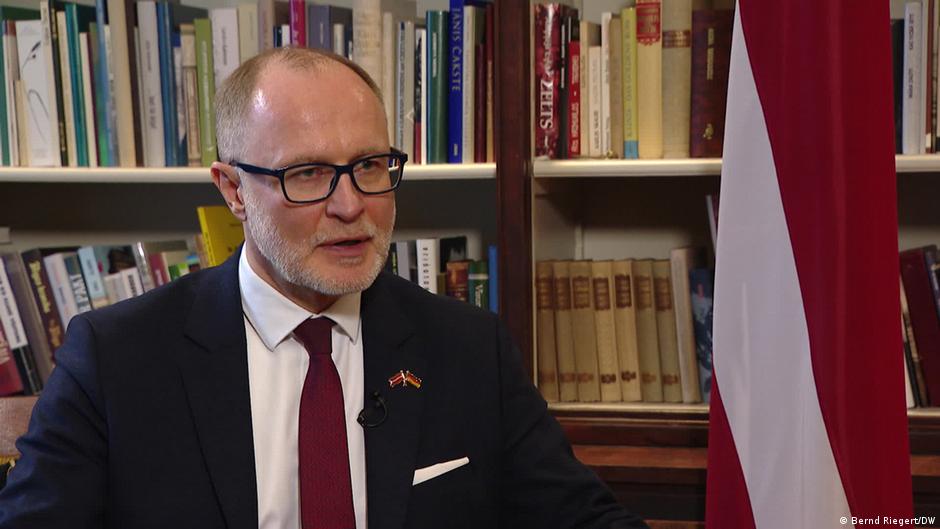
Latvia’s Minister of Defense, Andris Spruds, tendered his resignation after two drones breached Latvian airspace, an incident linked to Ukrainian unmanned aerial vehicles (UAVs) reportedly targeting Russian infrastructure. This development underscores the complex security dynamics in the Baltic region and has implications for U.S. interests in Eastern Europe.
Drone Incident Highlights Regional Security Challenges
On the night of May 7, two drones entered Latvian airspace from the Russian border. One drone crashed on the premises of a refinery in the city of Rezekne. Latvian authorities suspect these UAVs were launched by Ukraine to strike military or energy-related targets within Russia but inadvertently crossed into Latvia, a NATO member state.
Minister Spruds stated his resignation was motivated by a desire to shield the Latvian military from becoming embroiled in political disputes. "I have decided to resign to protect the Latvian army from being drawn into a political campaign," he said, emphasizing the critical importance of safeguarding civilian safety from any unauthorized drone incursions.
Prime Minister Evika Silina publicly declared a loss of confidence in Spruds' leadership over the incident, asserting that the military command had failed to uphold promises to maintain the safety of Latvian airspace. This political fallout exemplifies the pressures Baltic governments face amid escalating drone activities tied to the ongoing Ukrainian conflict.
"Unauthorized drones must not threaten the security of our people," Spruds declared during the announcement of his resignation.
The investigations into the drone incursions remain ongoing. Spruds acknowledged Ukraine’s right to self-defense and conducting strikes inside Russia but highlighted the unintended risk posed by the drones crossing into allied NATO airspace.
The incident reflects broader regional security concerns, as Ukraine’s use of drones to target Russian military and oil-and-gas infrastructure has previously resulted in airspace violations over Finland and other Baltic nations, stirring diplomatic tensions.
Estonia’s Defense Minister, Hanno Pevkur, has called for Ukraine to implement more effective drone control to prevent such incidents, signaling a shared Baltic interest in balancing support for Ukraine with the protection of national security.
Implications for U.S. Businesses and Washington Policy
For Washington, this episode has multifaceted implications. The Baltic region remains a frontline for NATO's strategic deterrence against Russian aggression. Any instability or perceived security lapses may influence U.S. defense commitments and military presence in the area.
American defense contractors and technology firms involved in UAV detection and counter-drone systems may find increased demand from Baltic and NATO allies seeking to bolster airspace security. Furthermore, disruptions near energy infrastructure raise concerns about the stability of energy supplies and the security of critical infrastructure, issues tightly linked to U.S. economic interests in Europe.
The drone incident and subsequent political shakeup in Latvia may prompt Washington to reassess its support mechanisms, including intelligence sharing and security assistance to Baltic states and Ukraine. The delicate balance between backing Ukraine’s defense efforts and ensuring NATO airspace integrity requires nuanced policymaking.
In conclusion, the resignation of Latvia’s defense minister amid drone incursions spotlight the growing complexities of drone warfare spilling beyond conflict zones, affecting allied countries and raising strategic and economic considerations for the United States.



