Latvian Defense Minister’s Resignation Collapses Governing Coalition Ahead of Elections
Latvia's ruling coalition dissolves amid defense minister’s resignation and political instability, raising concerns for NATO and U.S. regional strategy.
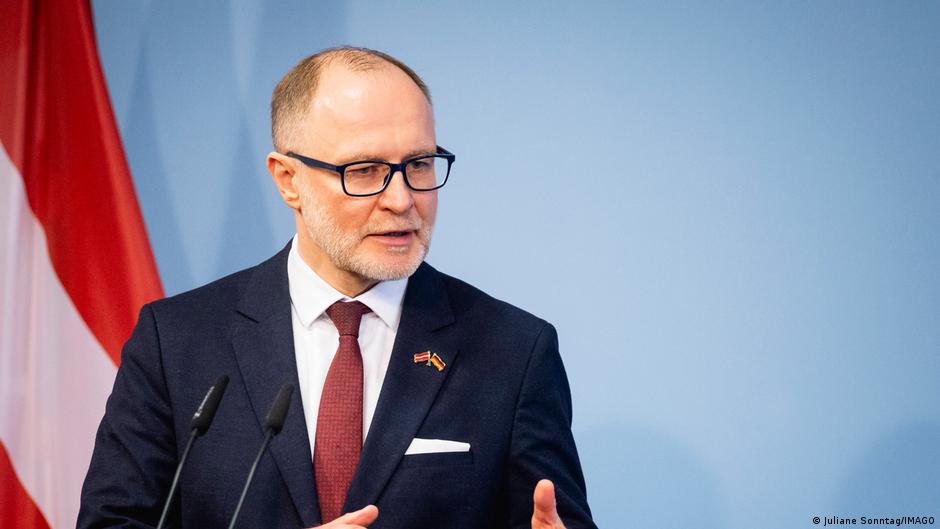
Latvia’s ruling coalition consisting of the New Unity party, the Progressives, and the Union of Greens and Farmers has fractured following the resignation of Defense Minister Andris Sprūds. The resignation was triggered by a security breach involving drones entering Latvian airspace, an incident that has raised alarms about regional stability at a critical time for NATO and U.S. interests in Eastern Europe.
Political Fallout Undermines Latvian Government Stability
On May 13, the Latvian coalition collapsed after the Progressives publicly declared the government ineffective. Andris Šuvajev, the head of the Progressives parliamentary faction, stated that after meeting with Prime Minister Evika Siliņa of New Unity, the party found no satisfactory answers to key concerns. The Union of Greens and Farmers concurred with this assessment, effectively ending the coalition partnership.
“At this stage, there are only two options: either Siliņa steps down due to lost public trust or the parliament votes to end her government,” Šuvajev said, urging President Edgars Rinkēvičs to initiate consultations for forming a new government.
Despite the breakdown, the Progressives have not yet withdrawn their remaining ministers from the cabinet, signaling a complex political impasse. Opposition parties have already expressed willingness to call a no-confidence vote that could topple the government. Without the nine votes from the Progressives, Siliņa’s government holds just 41 out of 100 parliamentary seats, while the opposition controls 47.
The coalition crisis erupted after Defense Minister Sprūds resigned on May 10 over a drone incident. Two unmanned aerial vehicles entered Latvian airspace, reportedly traveling from Ukraine to Russia. Prime Minister Siliņa publicly stated that Sprūds had lost her confidence and criticized military leadership for failing to ensure a secure airspace.
Following the resignation, the prime minister proposed appointing Colonel Raivis Melnis, a professional military officer, as the new defense minister. Although Siliņa invited the Progressives to continue coalition cooperation, they declined to commit, requesting more time for discussions.
Implications for U.S. and NATO Security Interests
Latvia’s political instability comes less than five months before the next parliamentary elections and amid heightened tensions due to the ongoing conflict in Ukraine. President Rinkēvičs emphasized the country’s need for a decisive government capable of strengthening defense capabilities, critical for NATO’s eastern flank and by extension for U.S. strategic interests in the Baltic region.
“Latvia cannot afford instability,” Rinkēvičs declared on social media, underscoring the urgency of political resolution. He scheduled a meeting with parliamentary faction leaders on May 15 to seek constructive proposals to resolve the crisis.
For American businesses and policymakers, the turmoil in Latvia signals potential risks to regional security cooperation and may complicate defense-related economic and strategic engagements. The drone incident and subsequent political fallout highlight vulnerabilities in Baltic airspace security, an issue Washington has prioritized amid Russia’s aggression in the region.
U.S. companies involved in defense contracts or infrastructure projects in Latvia and the Baltics should closely monitor the evolving political landscape. Delays in government formation or shifts in defense policy could impact procurement timelines and cooperative initiatives with NATO allies.
In the broader context, Washington’s diplomatic efforts may need to intensify to support stable and effective governance in Latvia, ensuring that the country remains a reliable NATO partner and frontline state in deterring Russian aggression.