Lukoil Refinery Halves Production After Ukrainian Drone Strikes, Impacting Russian Oil Supply
Ukraine’s drone attacks forced Lukoil’s Nizhny Novgorod refinery to suspend over half its output, disrupting Russia’s fuel supply chain.
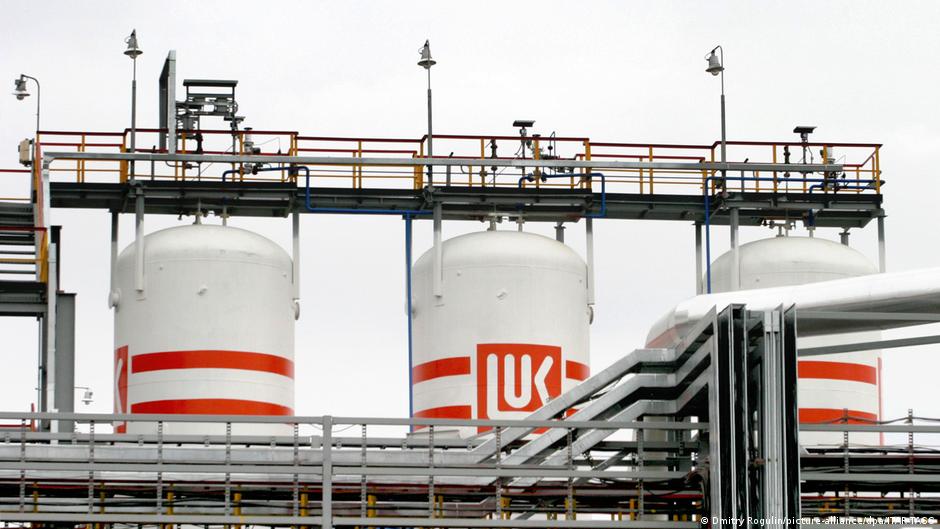
On the night of May 20, Ukrainian drone strikes targeted one of Russia’s largest oil refineries, Lukoil’s Nizhny Novgorod facility, forcing it to halt over half of its crude processing capacity. The refinery, known as Nizhegorodnefteorgsintez (NORSI), temporarily suspended its primary distillation unit, AVT-6, which accounts for 53 percent of the plant’s output, or approximately 25,700 tons per day.
Strategic Impact on Russian Refining and Global Markets
NORSI, situated in the city of Kstovo, is Russia’s fourth-largest refinery and the country’s second-largest gasoline producer. Prior to the attack, it processed roughly 16 million tons of crude per year, equating to around 320,000 barrels daily. The shutdown represents a significant disruption to Russia's refined fuel supply, given that this unit alone produces more than half of the refinery’s output.
The refinery’s operational halt marks the second time in two months that the facility has been targeted. A similar drone attack on April 5 caused damages and temporary closure. Recent strikes on major refineries in central Russia have collectively led to suspended or reduced operations at facilities with a combined capacity exceeding 83 million tons annually, or approximately 238,000 tons daily. This represents around 25 percent of Russia’s total refining capacity, including over 30 percent of its gasoline and 25 percent of its diesel output.
Industry insiders note that these incidents could exacerbate fuel shortages across Russia and potentially tighten global oil product markets. Although the Ministry of Energy of Russia has not commented on these developments, the scale of damage and operational disruptions is likely to have ripple effects on Russian oil exports and domestic fuel availability.
“The suspension of a key primary distillation unit at such a major refinery underscores the vulnerability of critical energy infrastructure amid ongoing conflicts,” an industry analyst noted.
For U.S. businesses and policymakers, the attacks highlight the increasing risks to Russian energy infrastructure amid geopolitical tensions, which may influence global supply chains and energy prices. American companies involved in energy markets, refining technology, or supply logistics should monitor these developments closely, as disruptions in Russian fuel production could alter competitive dynamics and market volatility.
Furthermore, U.S. political leaders may consider these attacks in formulating policies regarding energy security and sanctions, given their impact on Russia’s energy sector and the broader regional stability.