Lula Wins Brazil Runoff as Bolsonaro Challenges Election Result
The disputed outcome raises political uncertainty in Brazil, with Washington and US businesses watching the transition closely.
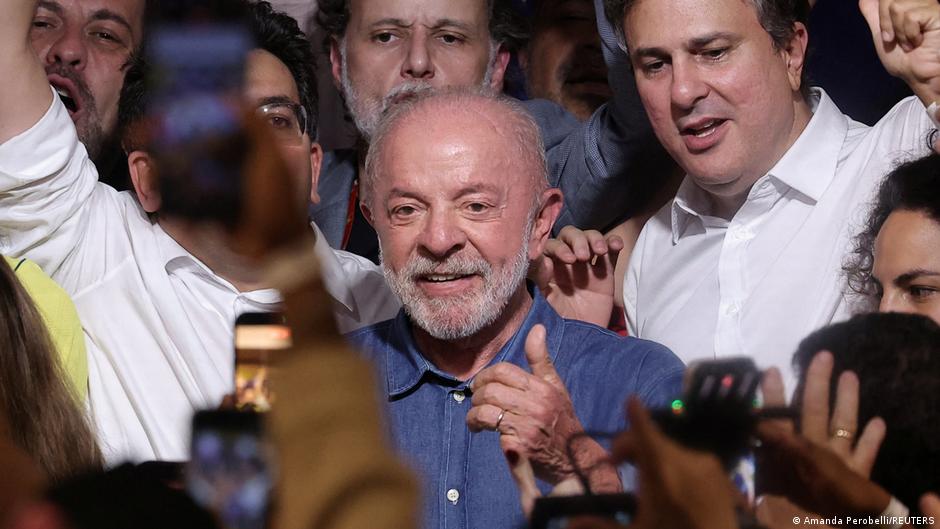
Brazilian President Luiz Inácio Lula da Silva has won a second-round election for another term, while his rival, Senator Flávio Bolsonaro, is demanding that the result be annulled. The challenge adds immediate uncertainty to the political outlook in Latin America’s largest country and will be closely watched in Washington and by American companies with exposure to Brazil.
Official results showed the 80-year-old center-left incumbent receiving 51.8% of the vote in the runoff held on Sunday, October 25. Bolsonaro, a right-wing populist and the son of former far-right President Jair Bolsonaro, received 48.2%.
The result marked the first time in Brazil’s history that a presidential candidate who finished second in the first round went on to win the election. Lula is now set to occupy the presidency for a fourth, nonconsecutive term.
Bolsonaro disputes late extension of voting
Flávio Bolsonaro declined to concede and called for the election result to be invalidated, citing a last-minute extension of voting hours. The dispute centers on a decision allowing polling places to remain open for an additional two hours.
Before that ruling, both Lula and Bolsonaro had requested longer voting hours because public transportation problems and adverse weather conditions had affected some areas of Brazil. Supreme Court Justice Cristiano Zanin ultimately ordered the nationwide extension only three minutes before polling stations had been scheduled to close.
Bolsonaro’s refusal to concede shifts attention from Lula’s narrow victory to the legal and institutional process that will determine whether the result is accepted.
The source account did not specify the legal mechanism Bolsonaro would use to pursue annulment or provide evidence that the extended hours favored either candidate. It also did not indicate whether Brazil’s electoral authorities expected the challenge to delay certification or the presidential transition.
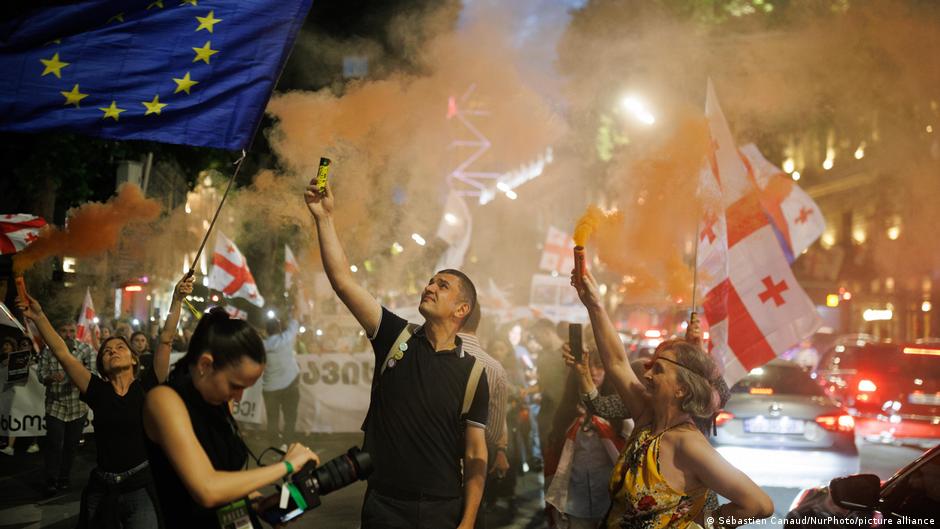
Celebrations began after the results were announced. Fireworks and vuvuzelas were heard in Rio de Janeiro, while thousands of people dressed in red—the color associated with Lula’s Workers’ Party—took to the streets of São Paulo to celebrate his victory.
Washington faces a politically sensitive transition
For the United States, the immediate issue is whether Brazil’s institutions can settle the challenge without a prolonged political confrontation. The election campaign took place amid allegations of US interference, making Washington’s response especially sensitive. The source did not detail those accusations or identify who made them.
Any official American reaction will therefore be assessed not only as a statement on Brazil’s democratic process but also through the campaign’s broader political narrative. A clear and orderly resolution would give US policymakers a firmer basis for dealing with Lula’s next administration. A drawn-out dispute, by contrast, could complicate the timing and tone of bilateral engagement.
The bottom-line concern for US businesses is political predictability. The source does not identify particular American companies, industries or investments affected by the outcome, and it provides no specific policy proposals from either candidate. Still, companies operating in Brazil or conducting business with Brazilian partners will have to monitor whether the challenge affects the transfer of power, government decision-making or the broader economic environment.
Lula’s reelection campaign was already difficult because voters were concerned about the cost of living and rising crime. Those domestic pressures are likely to shape the political setting in which his next government takes office. The campaign also unfolded against a backdrop of corruption scandals and economic instability, issues that can influence public confidence and the administration’s ability to pursue its agenda.
The narrow margin underscores Brazil’s political divisions. Lula’s 3.6-percentage-point advantage delivered an official victory, but Bolsonaro’s demand for annulment ensures that the contest will continue beyond election night, at least politically and potentially through the courts.
For Washington and corporate decision-makers in the United States, the key near-term indicators will be the handling of Bolsonaro’s complaint, the response of Brazilian institutions and the degree to which political tensions affect the transition. Until those questions are resolved, Lula’s victory provides an electoral outcome but not yet complete political clarity.