Mobile Internet and Street Lighting Restored in Belgorod Amid Security Adjustments
Belgorod authorities resume mobile internet and street lighting after security reviews, signaling cautious easing of restrictions in conflict-affected Russian border region.
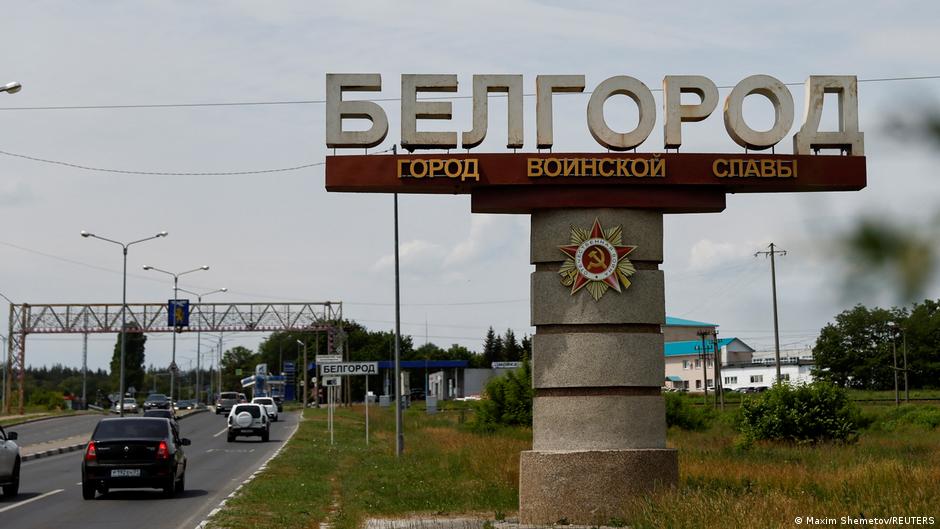
The acting governor of Russia's Belgorod region, Alexander Shuvaev, has ordered the restoration of mobile internet services and street lighting in the city of Belgorod. This decision follows a careful analysis of the security situation and takes into account public requests from residents.
According to official communications, stable mobile internet connectivity resumed in Belgorod from the evening of May 30, alongside the reactivation of city street lights. However, similar decisions for other settlements in the region are deferred to local authorities, who will consider the operational environment before proceeding.
Security Concerns and Infrastructure Impact on Local Services
Since October 2025, Belgorod has experienced periodic street lighting shutdowns as a protective measure to reduce energy system loads and expedite power restoration following frequent shelling. The border region, adjacent to Ukraine, has faced repeated military attacks, including rocket strikes attributed to Ukrainian forces. On May 25 alone, local officials reported two intense missile strikes that damaged energy infrastructure and disrupted electricity and water supplies.
"Measures of a defensive nature have been adopted to reduce risks to the population," Shuvaev explained, indicating that restrictions might be reinstated if threats escalate again.
Previous regional leadership had expressed concerns about the impact of mobile internet restrictions on communication and civil defense coordination. The former governor, Vyacheslav Gladkov, promised to investigate decisions behind partial internet shutdowns, highlighting the balance between security needs and community information flow.
For US businesses, these developments in Belgorod underscore the ongoing volatility in regions adjacent to active conflict zones. American companies with supply chains or investments linked to Russian energy or telecommunications sectors may face operational uncertainties. The fluctuating availability of critical infrastructure services demonstrates the challenges of ensuring business continuity amid geopolitical tensions.
Moreover, Washington policymakers monitoring the Russia-Ukraine conflict might consider the implications of infrastructure disruptions on civilian populations and regional stability. Adjustments in local governance responses and infrastructure management could influence broader diplomatic or economic strategies aimed at mitigating conflict spillovers.