Moscow Approves New German Ambassador Amid Strained Russia-Germany Relations
Clemens von Goetze is set to replace Alexander Graf Lambsdorff as Germany's ambassador to Russia, signaling a diplomatic shift during ongoing geopolitical tensions.
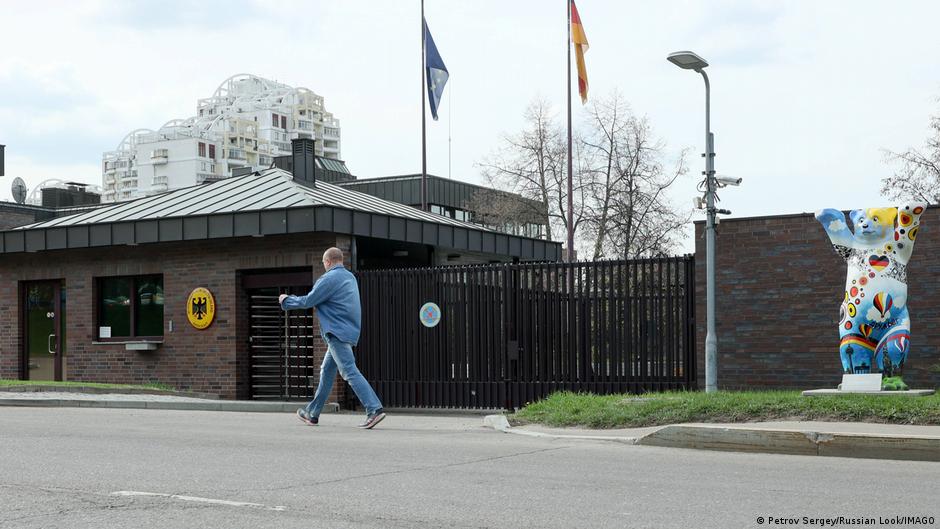
Russia has granted agrément to Clemens von Goetze as the new German ambassador, succeeding Alexander Graf Lambsdorff in Moscow, according to reports. The agrément, a formal diplomatic approval to accept a foreign envoy, marks a notable development in the strained diplomatic relations between Russia and Germany.
Implications for US Businesses and Washington
Von Goetze is expected to assume his post in Moscow by July, replacing Lambsdorff, who is slated to become Germany’s ambassador to Israel. His diplomatic career includes leadership roles across key global capitals such as Tel Aviv, Beijing, Tokyo, and currently Mexico City. Maria Margarete Gosse will fill von Goetze's current position as German ambassador to Mexico.
Since Russia’s full-scale invasion of Ukraine, relations between Russia and Germany have deteriorated significantly. Germany has positioned itself as one of Ukraine’s strongest allies, providing political and material support in opposition to Russian aggression. This geopolitical tension has rippled through the transatlantic economic landscape, affecting business confidence and supply chain dynamics in US and European markets.
Washington observers recognize the appointment as part of a cautious recalibration of diplomatic ties in the context of ongoing sanctions regimes and geopolitical contestation. German diplomatic representation in Russia carries implications for US companies operating in or exposed to Russian markets, particularly in energy, manufacturing, and technology sectors.
“The agrément for von Goetze suggests Moscow’s willingness to maintain a channel for dialogue, even amid high tensions, which is critical for transatlantic economic stability,” said a foreign policy analyst.
Lambsdorff’s tenure in Moscow was marked by diplomatic friction, including two summons by the Russian Foreign Ministry. In June 2023, Lambsdorff was called in relation to allegations regarding the treatment of Russian journalists in Germany, which Berlin rejected as unfounded. In April 2024, he was summoned again following a Bundestag member's meeting with Ahmed Zakayev, representing the Chechen Republic of Ichkeria, an entity Russia designates as terrorist.
These incidents underscore the delicate political environment in which German diplomacy operates in Russia, impacting bilateral discussions on trade, sanctions enforcement, and security cooperation.
For US businesses, the transition in German diplomatic representation could influence the broader EU-Russia dialogue and the coordination of sanctions policies that directly affect American companies with interests in the region. It also emphasizes the importance of monitoring diplomatic shifts to anticipate regulatory changes and market access conditions.
As Washington continues to navigate the complex geopolitics of the Russia-Ukraine conflict alongside key European allies, Germany’s ambassadorial appointments and their interactions with Moscow will remain a critical factor in shaping transatlantic diplomatic and economic strategies.