NATO Confirms Russian Drone Struck Romanian Home Near Ukraine Border
NATO and Romania identify drone as Russian-made after it crashes into residential building, raising security concerns near NATO’s eastern frontier.
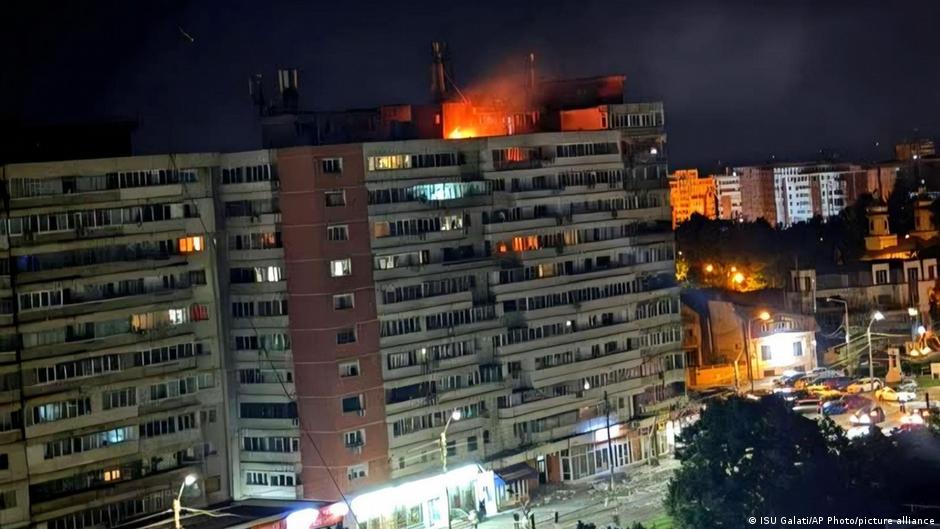
NATO has agreed with Moldovan findings that a drone crashing into a residential building in Romania near the Ukrainian border was of Russian origin. The incident, which took place in the city of Galați on the night of May 29, caused a fire and injured two residents.
Martin O'Donnell, a spokesperson for NATO's Supreme Allied Commander Europe (SHAPE), confirmed the drone's Russian provenance, aligning with statements from the Romanian Ministry of Defense. Radu-Dinel Miruță, Romania’s defense minister, said the drone wreckage bore serial numbers that unequivocally indicate Russian manufacture.
Following the incident, Romania requested NATO to strengthen its air defense systems in the region, describing the drone strike as a violation of international law. The event has added to escalating security tensions along NATO’s eastern flank, especially in the context of the ongoing conflict in Ukraine.
Implications for Washington and American Businesses
From a U.S. policy perspective, this event underscores the increasing risks faced by NATO allies bordering Ukraine due to Russian military activities. It highlights the ongoing necessity for American-led NATO efforts to bolster defense capabilities in Eastern Europe. Enhanced air defense not only protects civilian populations but also secures vital infrastructure and supply chains critical to U.S. business interests in the region.
"The responsibility for the strike on the Romanian residential building clearly lies with Russia," declared Romanian President Nicolae Ciucă, emphasizing the geopolitical stakes for NATO members.
American companies operating in Eastern Europe, particularly in logistics, energy, and manufacturing sectors, must now navigate heightened security uncertainties and potential disruptions. The call from Bucharest for enhanced NATO air defenses aligns with U.S. strategic priorities to maintain regional stability and safeguard allied territories.
Diplomatic fallout continues as Romania declared the Russian consul in Constanța persona non grata and announced the consulate's closure. Meanwhile, Russian President Vladimir Putin has questioned the drone's Russian origin, demanding a forensic analysis before conclusions can be drawn.
This incident may prompt Washington to reconsider the deployment of additional missile defense systems and intelligence assets to NATO’s eastern members. It also serves as a stark reminder of the direct consequences of the Ukraine conflict spilling over into NATO territory, affecting both geopolitical dynamics and economic interests tied to the region.
Overall, the drone crash in Romania reflects the complex intersection of military aggression, allied defense commitments, and economic stability concerns that Washington continues to balance amid evolving Eastern European security challenges.