Polish Ex-Minister Wanted for Corruption Flees Hungary for the United States Amid Extradition Efforts
The relocation of a Polish fugitive ex-minister to the U.S. highlights diplomatic tensions affecting US-Poland-Hungary relations and potential legal complexities for American businesses.
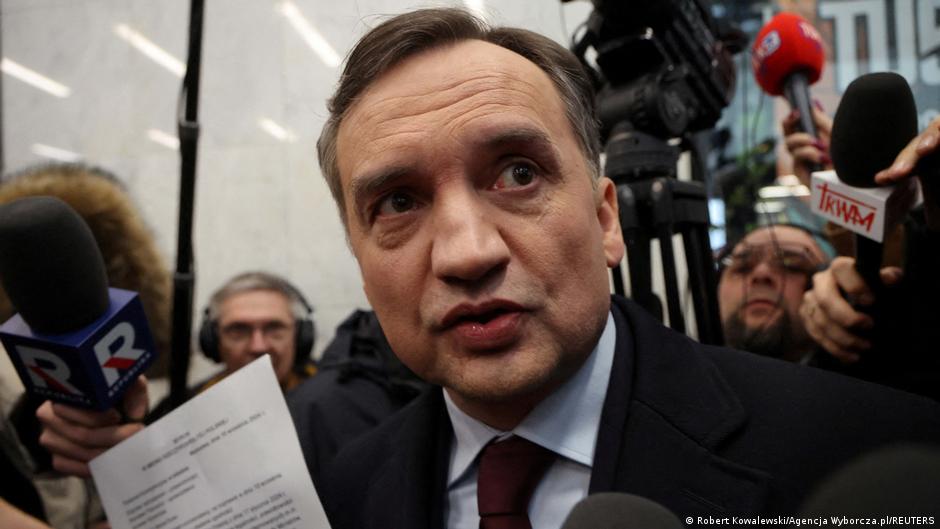
In a development stirring diplomatic and political implications for Washington, Zbigniew Ziobro, the former Polish Minister of Justice wanted in Poland on multiple corruption charges, has reportedly fled Hungary—where he had found refuge—to the United States. This move follows Hungary’s new Prime Minister Peter Magyar’s pledge to cooperate with Poland by extraditing officials who had taken shelter in Hungary during Viktor Orbán’s tenure.
Diplomatic Friction and Legal Challenges Across Borders
Ziobro’s arrival in the U.S. on May 9th was confirmed by Polish conservative media and corroborated by sightings at Newark Liberty Airport, including a photo circulated by Polish news outlets. Despite his Polish passport being confiscated, reports suggest Ziobro and his deputy Marcin Romanowski may have used so-called Geneva Convention refugee travel documents issued by Hungary.
"If they want to initiate extradition procedures, so be it," Ziobro told the Polish broadcaster Republika, acknowledging the complexity of legal processes in U.S. courts.
According to Polish prosecutors, the former minister faces serious allegations involving embezzlement and abuse of power, including the misuse of funds intended for victims of crimes to procure Israeli spyware Pegasus, allegedly used to surveil political opponents. Poland is actively investigating these charges and has called for clarifications from both Hungary and the U.S. concerning Ziobro’s border crossings without valid travel documents.
Significantly, Ziobro reportedly entered the U.S. on a journalist work visa sponsored by the Republika television channel, with claims that U.S. President Donald Trump personally approved the visa issuance. This has raised questions about the intersection of politics and immigration policy, especially given Ziobro’s affiliation with Poland’s ruling Law and Justice party (PiS), which maintains close ties with the pro-Trump MAGA movement.
Implications for U.S. Business and Political Relations
The case has broader implications for U.S. foreign policy and business interests in Central Europe. Hungary, under Viktor Orbán, had provided shelter to various European politicians facing legal troubles in their home countries, citing political motivations behind the charges. However, the recent political shift in Budapest under Prime Minister Magyar signals a potential realignment closer to U.S. and EU standards on rule of law and judicial cooperation.
For American companies operating in Central Europe, this shift may affect the regulatory environment and risk assessments, especially in sectors vulnerable to political influence such as technology, defense, and surveillance. The controversy surrounding Pegasus spyware, procured under questionable circumstances, underscores the risks associated with close ties between governments and surveillance technology vendors.
Moreover, the ongoing diplomatic tension between Poland, Hungary, and the U.S. may complicate trade relations and governmental cooperation on law enforcement and anti-corruption initiatives. Businesses with stakes in the region should closely monitor these developments as they could influence export controls, visa policies, and bilateral agreements affecting cross-border operations.
Poland’s firm stance on seeking accountability emphasizes the country’s commitment to combating corruption, potentially leading to increased scrutiny of foreign entities involved in political or economic controversies.
Looking Ahead
The unfolding situation raises questions about how the U.S. judiciary will handle extradition requests for a politically sensitive figure like Ziobro, especially given his claims of procedural complexity. His case exemplifies the delicate balance Washington must maintain between supporting allies, upholding legal standards, and managing political alliances that impact domestic and international business dynamics.
As Hungary reorients its policies away from Orbán’s previous stance, and Poland intensifies efforts to bring fugitives to justice, U.S. policymakers and businesses will need to adapt to an evolving geopolitical landscape in Central Europe.