Putin Eases Russian Citizenship for Transnistria Residents, Raising US Business and Security Concerns
New Russian decree simplifies citizenship for Transnistria residents without language or history exams, impacting US geopolitical and economic interests.
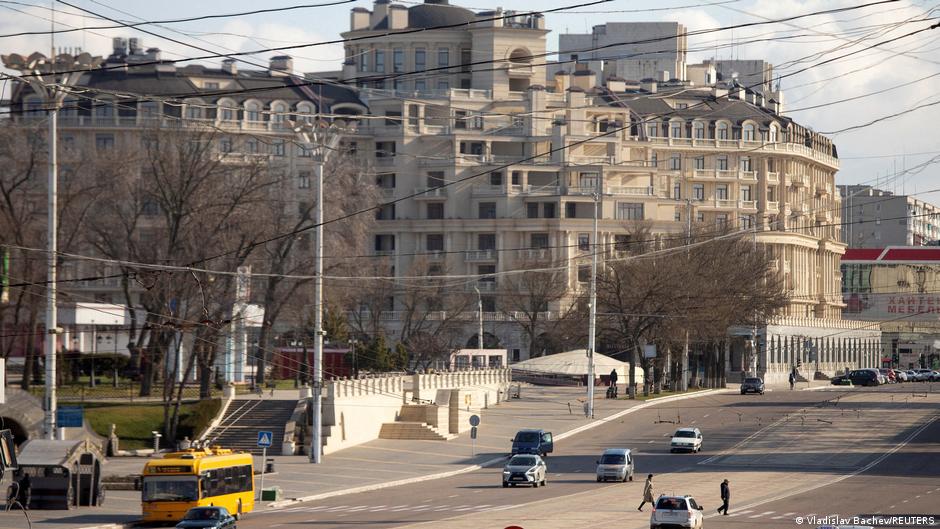
Russian President Vladimir Putin has signed a decree streamlining the process for residents of the unrecognized Transnistrian Moldovan Republic (Transnistria) to acquire Russian citizenship. This policy eliminates the need for applicants to pass exams in the Russian language and history, a move with significant implications for US interests in Eastern Europe.
Background and Regional Context
Transnistria is a breakaway region located on the left bank of the Dniester River, internationally recognized as part of Moldova but operating as a de facto independent entity since declaring its independence in 1990. Despite this, no United Nations member state recognizes Transnistria's sovereignty. The region hosts a Russian operational military group, underscoring Moscow’s strategic foothold in Eastern Europe.
According to Russian Security Council Secretary Sergei Shoigu, over 220,000 Transnistrian residents already hold Russian citizenship, out of an estimated population of approximately 470,000.
Implications for US Business and Political Interests
The simplified citizenship process, removing language and history testing, is likely to accelerate Russian passport issuance in Transnistria. For the United States, which has supported Moldova's territorial integrity, this development complicates diplomatic efforts to stabilize the region and reinforces Russia's influence in a critical geopolitical area.
"The accelerated citizenship process in Transnistria strengthens Russia’s grip on a strategically sensitive region, posing risks for US diplomatic leverage and economic initiatives in Eastern Europe," analysts note.
For American businesses, the move raises concerns regarding operational risks in Eastern Europe, including potential sanctions complications and market uncertainties. US companies engaged in energy, manufacturing, and technology sectors must monitor how increasing Russian control influences supply chains and regional stability.
Moreover, the presence of Russian military forces and enhanced citizenship rights may embolden Moscow’s actions in contested territories, affecting broader US foreign policy objectives, including NATO partnerships and energy security.
Looking Ahead
Washington faces a complex scenario as it balances support for Moldova and regional allies with countering Russia’s expanding influence. The citizenship decree is a tangible step by Moscow to deepen integration with Transnistria, potentially leveraging the local population’s status for political and strategic gains.
US policymakers and businesses are advised to closely monitor developments, reassess regional risk profiles, and engage with European partners to mitigate adverse consequences stemming from Russia’s moves in Transnistria.