Putin Warns Armenia of Higher Tariffs Amid Eurasian Union Exit Threat
Russia threatens increased trade tariffs and labor restrictions if Armenia leaves the Eurasian Economic Union, signaling economic pressure on a strategic partner.
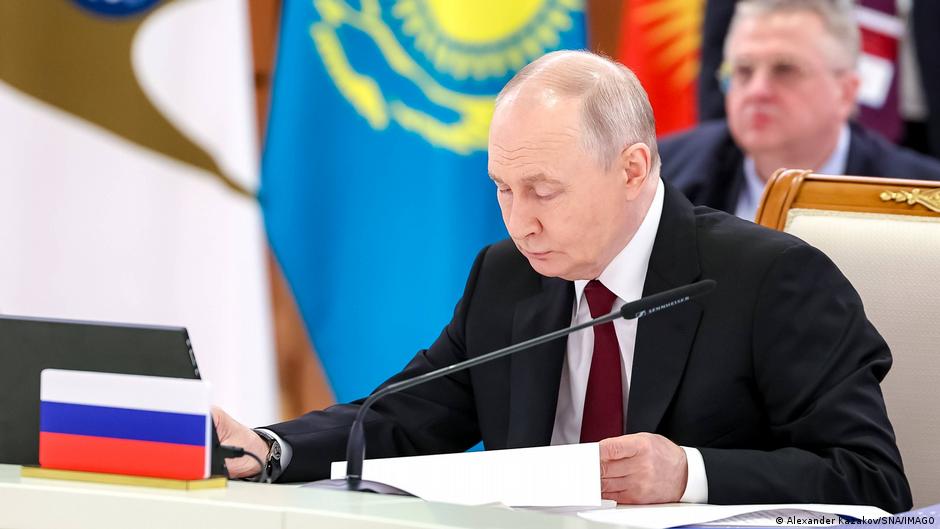
Russian President Vladimir Putin has issued a stern warning to Armenia, threatening to raise tariffs on railway transportation and energy supplies if the country decides to exit the Eurasian Economic Union (EAEU). This development underscores Moscow's intent to maintain economic influence over Armenia amid its growing ties with the European Union (EU).
Economic Pressure Amid Armenia’s EU Aspirations
Speaking at a press conference following the EAEU summit in Astana on May 29, Putin emphasized that should Armenia shift towards adopting EU standards, Russia would be compelled to halt economic integration with the country. "Who will they supply their products to? Where will Armenian wine go?" he questioned, highlighting the potential disruption to Armenia’s exports.
Putin specifically cited the likelihood of increased tariffs on railway freight and the need to raise prices on energy resources supplied to Armenia if it abandons the EAEU framework. Moreover, he announced that Armenian citizens working in Russia would be required to obtain work patents, signaling a tightening of labor movement rules that could affect Armenian migrant workers in Russia.
"If Armenia begins transitioning to EU standards, we will need to sever all economic integration with it," Putin said, underlining the stakes involved for Armenia's economic future.
The Russian president drew parallels to Ukraine’s crisis, attributing it to Kiev's attempts to join the EU. He urged Armenia to conduct a referendum on its EAEU membership as soon as possible, aligning with joint demands by EAEU member states—Belarus, Kazakhstan, and Kyrgyzstan—that have called on Armenia to choose definitively between EU and EAEU membership.
Armenia's balancing act between the EU and Russia-controlled Eurasian bloc comes as parliamentary elections are scheduled for June 7, intensifying external pressure amid internal political uncertainty.
Implications for U.S. Businesses and Washington
From a U.S. perspective, Russia’s economic coercion of Armenia poses challenges and opportunities. American companies eyeing the South Caucasus may find a more complicated environment due to Moscow’s assertiveness, potentially limiting regional market access and increasing supply chain risks.
Washington’s policy approach could involve increased diplomatic support for Armenia’s European integration efforts, signaling a pushback against Russian pressure tactics. Additionally, U.S. businesses invested in energy, agriculture, or transport sectors linked to Armenia and the broader region must weigh the risks posed by Moscow’s potential tariff hikes and trade restrictions.
The dispute also highlights the broader geopolitical contest between Russia and the West for influence in post-Soviet states. As Russia brandishes economic tools to maintain its sphere of influence, Washington may need to consider strategic economic aid or trade incentives to bolster Armenia’s economy and independence.
Controversial Rhetoric and Propaganda Accusations
In the same press conference, Putin dismissed European Union allegations that Russia is preparing for war against the bloc as "nonsense and lies," criticizing Western media as instruments of misinformation. He controversially cited a phrase about the effectiveness of outrageous lies, attributing it to Nazi propaganda minister Joseph Goebbels, although the quote actually originates from Adolf Hitler’s Mein Kampf.
This rhetoric reflects escalating tensions and information warfare between Russia and Western countries, further complicating diplomatic relations and the environment for Western businesses operating or considering operations in Eurasian regions affected by Russian policies.
Conclusion
Russia’s explicit threats to Armenia over its Eurasian Economic Union membership status underscore Moscow’s determination to retain economic and political leverage in the South Caucasus. For U.S. policymakers and businesses, this development signals a need for careful monitoring and potentially more active engagement in the region to support Armenia’s sovereignty and economic diversification away from Russian dominance.