Putin’s Alleged Children Educated by Western Tutors, Raising Security and Economic Concerns
Western governesses teach Russian President Vladimir Putin's purported children, highlighting potential impacts on US-Russia relations and business interests.
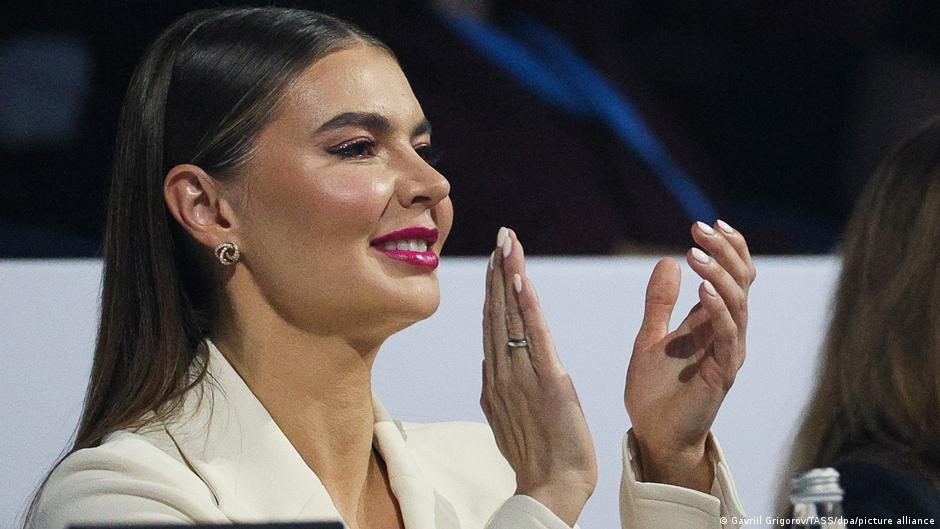
Recent investigations have revealed that the alleged children of Russian President Vladimir Putin and Olympic champion Alina Kabaeva are being taught foreign languages by Western tutors, primarily from the United Kingdom, Germany, New Zealand, Austria, and Ireland. This arrangement, reportedly spanning from 2017 to 2026, involves significant financial expenditures, raising concerns about the implications for US businesses and diplomatic relations.
Western Influence in Putin’s Inner Circle
The education of Putin’s purported sons by foreign governesses involves instruction in English and German languages. According to investigative reports, around 20 such foreign specialists have been employed over nine years. In January 2026 alone, payroll expenses for three governesses reached at least 3.5 million Russian rubles.
These tutors are officially registered as "lead translators" at the Institute for Professional Retraining of the International Medical Center "Sogaz," a designation that facilitates their acquisition of work visas and permits as "highly qualified specialists" in Russia. This setup illustrates the Kremlin's reliance on Western professionals for private education within the president’s household, a surprising openness given the tense geopolitical environment.
The recruitment and administration of these foreign educators are managed by Alina Kabaeva’s cousins, Olesya Fedina and Ekaterina Golovacheva. Documentation refers to the children only as "wards," with no direct mention of Putin or Kabaeva. However, one 2019 document lists a ward named Ivan Fedin, although investigators note discrepancies concerning the actual identity.
"By age four, Ivan should be immersed in a 'language bath,' with English resembling that of a 'literate European,'" Fedina reportedly instructed tutors in 2019, emphasizing an intensive Western linguistic education.
Previously published investigations suggest the children’s names might be Ivan (born 2015) and Vladimir (born 2019). The tutors reportedly reside with the children at Putin’s Valdai residence, adhering to strict health monitoring protocols. The instructions to staff prohibit introducing personal religious, ideological, or political views, and forbid discussing topics such as sexual education or LGBTQ+ issues.
Implications for US Businesses and Policy
These revelations bear significance for American companies and policymakers. The presence of Western educators within Putin’s private circle raises questions about the permeability of Russia’s elite to Western influence amid escalating sanctions and diplomatic frictions.
Furthermore, the substantial financial outlays for foreign specialists highlight an ongoing flow of capital connected to Russia's ruling class, potentially circumventing restrictions imposed by Washington. US businesses operating in education, security, or visa services may encounter indirect impacts as scrutiny intensifies on personnel linked to Kremlin insiders.
Moreover, this situation underscores the complexity of engagement strategies with Russia’s leadership. As Washington evaluates sanctions and diplomatic initiatives, understanding personal dynamics within Putin’s family could inform more nuanced policies that leverage these connections.
Attempts to obtain comments from involved parties, including the educators, Kabaeva’s representatives, and Kremlin spokesperson Dmitry Peskov, have gone unanswered, maintaining an opaque veil over these arrangements.
Overall, the use of Western tutors in Putin’s household reveals subtle intersections between private preferences and public geopolitical rivalries, posing challenges for US foreign policy and the business environment.