Reported Strikes on Russian Plants Raise Supply-Chain Risks for US Firms
Alleged Ukrainian attacks on industrial sites in Lipetsk and Tula highlight expanding risks around Russian metals and military supply chains.
Reported Ukrainian strikes on industrial facilities in western Russia are drawing attention to the vulnerability of metals, chemicals and defense-related supply chains as Washington weighs its support for Kyiv and American companies monitor potential market disruptions.
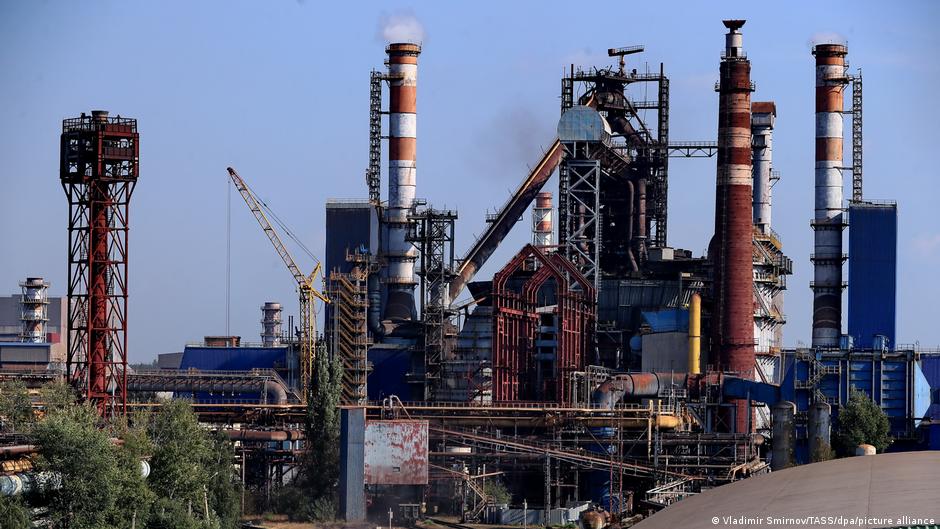
Ukraine’s Exilenova+ monitoring channel said the Russian city of Lipetsk came under attack by jet-powered drones overnight into Wednesday, October 28. According to its preliminary open-source intelligence assessment, a fire broke out near the Novolipetsk Steel plant, also known as NLMK, during the strikes and amid the operation of local air defenses. The plant was previously targeted in Ukrainian attacks in 2024.
The channel also reported strikes near a military airfield in the area. It said missile alerts had sounded in several Russian regions and air defenses over Lipetsk had engaged jet-powered targets. Preliminary information indicated impacts and a fire near the airfield, according to the channel.
“There is preliminary information about impacts and a fire in the area of the airfield,” Exilenova+ said in one of its posts.
Photographs and videos published by the channel and attributed to witnesses appeared to show air-defense activity. Exilenova+ said one video captured explosions of 30-millimeter rounds fired by automatic antiaircraft guns associated with Russia’s Pantsir air-defense system. It added that the fire did not hit its targets.
Industrial exposure extends beyond Lipetsk
Exilenova+ later cited local residents in reporting a separate attack and subsequent fire at the Azot chemical plant in Novomoskovsk, in Russia’s Tula region. The channel did not provide further details. Ukraine’s Foreign Intelligence Service has said the facility supplies nitric acid to the Sverdlov plant in Dzerzhinsk, in the Nizhny Novgorod region, which manufactures explosives.
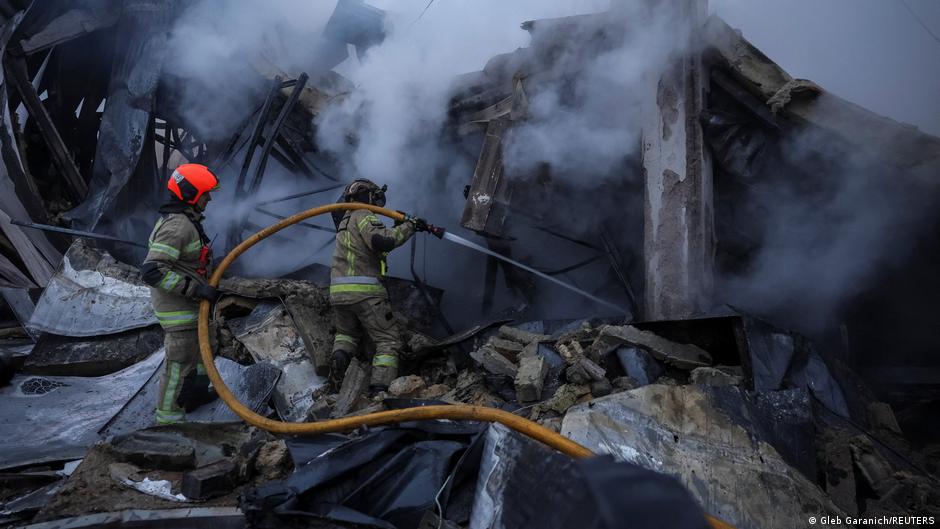
At the time of publication, the General Staff of the Armed Forces of Ukraine, Ukraine’s Defense Ministry and authorities in the Lipetsk region had not commented on the reported attack. Tula regional Governor Dmitry Milyaev said air-defense units were repelling a drone raid on the region. He wrote on Telegram that damage had been recorded in Novomoskovsk at apartment buildings, private homes and infrastructure in a nearby industrial zone.
The reports could not establish the full extent of damage or any effect on production. For US businesses, the immediate issue is less direct exposure to Russian facilities, which is constrained by sanctions and export controls, than the possibility that repeated attacks could tighten supplies, alter commodity flows or increase compliance and transportation costs across international markets. Metals and chemical inputs can move through complex trading networks, making operational disruptions relevant even to companies without direct Russian contracts.
Washington faces a widening economic dimension
The reported incidents come as Ukraine continues to target facilities that it says support Russia’s military operations. On October 25, Ukrainian forces carried out another strike on what was described as Russia’s largest battery manufacturing plant, located in Yelets in the Lipetsk region. Regional Governor Igor Artamonov did not identify the company or disclose the scale of the damage.
According to an open-source analysis by the publication Astra, the target was the Energia plant in Yelets’s industrial zone. Astra said the facility produces batteries used in Russian drones, several missile systems and other weapons widely deployed by the Russian military in its war against Ukraine.
Exilenova+ reported that several Storm Shadow missiles attacked the plant. The channel said at least two strikes hit two buildings and claimed that one production building sustained extensive destruction. The following day, Ukraine’s General Staff confirmed that the facility had been hit and damaged but did not identify the weapon used. Before the October 25 strike, the Energia plant had reportedly been targeted five times by Ukrainian forces.
The sequence underscores a policy question for Washington: Ukrainian operations are increasingly aimed not only at battlefield assets but also at the industrial capacity behind Russia’s war effort. That may strengthen Kyiv’s leverage by raising replacement and repair costs for Moscow, while also intensifying debate over the reach of Western-supported military operations and the risk of escalation inside Russia.
American metals buyers, manufacturers, commodity traders and insurers will be watching for verified information about production outages at NLMK and other facilities. Any bottom-line effect will depend on the duration of disruptions, available inventories, alternative suppliers and the response of Russian authorities. For now, the available accounts remain preliminary, and key Russian and Ukrainian authorities have not confirmed several of the reported strikes.