Trump Team Weighs Lifting Sanctions on Russian Investment Fund
The review could enable Russian diesel shipments to the United States, with implications for fuel prices, sanctions policy and US companies.
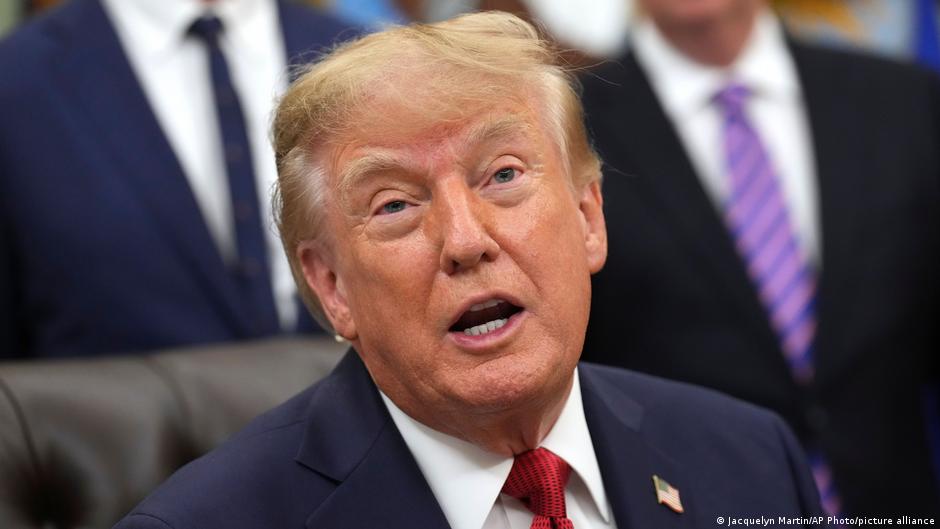
President Donald Trump’s administration is considering lifting sanctions on the Russian Direct Investment Fund, or RDIF, as Moscow seeks a path for the sovereign fund to participate in Russian diesel deliveries to the United States, according to The New York Times.
The potential change would carry consequences beyond a single energy transaction. For Washington, it would test whether commercial incentives can be separated from the pressure campaign imposed after Russia’s full-scale invasion of Ukraine. For American businesses, particularly fuel distributors, refiners and logistics companies, it could create new supply opportunities while raising significant compliance and reputational risks.
The Biden administration sanctioned RDIF four days after the invasion began. US officials at the time described the organization, formally a sovereign investment fund, as widely regarded as President Vladimir Putin’s “slush fund” and an example of the kleptocracy associated with Russia’s system of government.
Treasury review puts sanctions policy in focus
Russia has pressed the United States to remove the restrictions so RDIF can take part in supplying Russian diesel to the American market. The Treasury Department is now reviewing the fund’s delisting application through its regular procedures, according to one source cited by the newspaper.
Under that process, RDIF would have to demonstrate that the grounds on which the sanctions were imposed no longer apply. A review does not itself guarantee that the restrictions will be lifted, but the deliberations indicate that the administration is considering additional sanctions relief as US-Russian diplomacy intensifies around the war in Ukraine.
“The consideration of further sanctions relief for Russia … shows how the Kremlin is using the recent wave of diplomacy surrounding the war in Ukraine to advance an agenda that appears to have little to do with securing peace,” The New York Times observed.
The issue could become politically contentious in Washington. Any removal of sanctions from an institution previously characterized in such stark terms would invite scrutiny from lawmakers and foreign-policy officials concerned that Moscow is using negotiations over Ukraine to obtain economic concessions.
At the same time, the administration can point to a potential bottom-line benefit: additional diesel supply could put downward pressure on prices paid by US consumers and businesses. Transportation, agriculture, construction and manufacturing are especially sensitive to diesel costs, although the source article provides no estimate of the prospective price effect.
Dmitriev links diplomacy and proposed business deals
RDIF is headed by Kirill Dmitriev, a central participant in Russian-American talks, including discussions concerning the war in Ukraine. He has promoted Kremlin proposals for possible joint business ventures between Russia and the United States and has repeatedly met with representatives of the current US administration.
The fund was established in 2011 to attract foreign investment into Russia. Its projects have included Sputnik V, Russia’s vaccine developed during the COVID-19 pandemic. Restoring RDIF’s access to transactions involving US interests could therefore have wider commercial significance than diesel alone, depending on the scope of any sanctions relief.
For US companies, however, a policy shift would not automatically eliminate legal uncertainty. Businesses would need to examine the precise language of any Treasury action, including which entities, transactions and financial channels were authorized. Temporary permissions can also expose companies to renewed disruption if Washington later changes course.
Diesel commitments raise the commercial stakes
Trump said on Truth Social on Oct. 9 that he had held “very successful” talks with Putin and that the two leaders reached an agreement covering Russian diesel supplies to the United States and the wider global market.
According to Trump, Russia would immediately provide more than 300,000 metric tons of diesel to American and global markets, followed by another 500,000 tons during November and 1 million tons after that. He said Moscow could then supply an additional 3 million tons within a short period, depending on the condition of Russian oil refineries.
The president said Russian energy resources, combined with what he called US “full control” over the Strait of Hormuz, would cause diesel prices to fall rapidly and substantially for Americans and consumers worldwide.
On the same day, the Treasury Department announced that the Office of Foreign Assets Control, acting at the White House’s direction, was immediately issuing a temporary general license authorizing Russian diesel supplies to the global market. Putin later officially confirmed the telephone conversation with Trump and the agreement concerning deliveries of Russian petroleum products to the world market.
The administration’s review of RDIF sanctions now connects those fuel commitments to a broader policy choice. Easing restrictions could help execute the supply agreement and offer relief to diesel-dependent US industries. It could also grant Moscow a long-sought financial concession without a clearly stated connection to progress toward peace in Ukraine.
That tension is likely to define the debate in Washington: whether lower fuel costs and potential business opportunities justify reopening access for a Russian state investment vehicle sanctioned at the outset of the war.