Rumors of Early Replacement of German Chancellor Merz Denied Amid Political Uncertainty
Friedrich Merz's circle dismisses reports of his imminent removal, highlighting constitutional challenges and potential destabilization for Germany's ruling coalition.
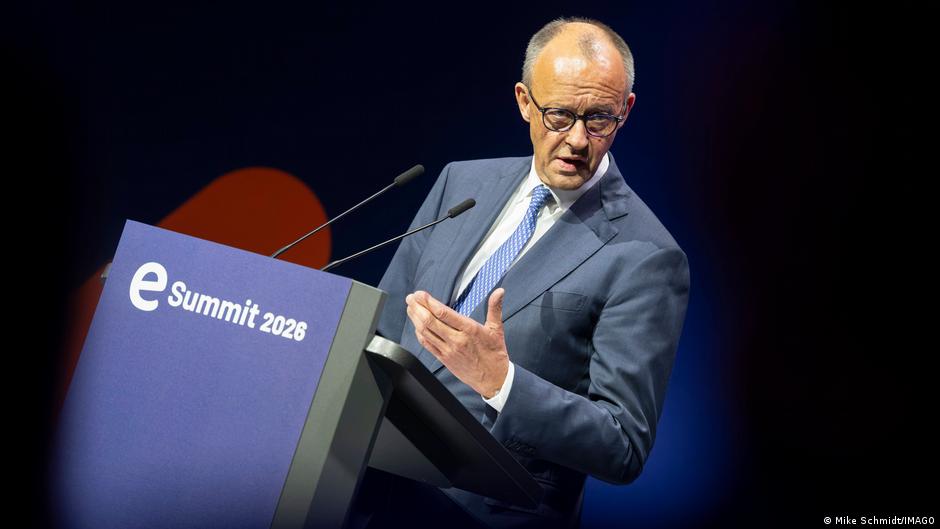
Close associates of German Chancellor Friedrich Merz have firmly denied media reports suggesting preparations for his early replacement as head of government. Sources close to Merz described the idea of changing the chancellor as "absurd speculation," underlining the constitutional and political complexities involved.
Political Context and Implications for Germany and US Interests
The rumors, initially reported by the German publications Stern and Bild, claimed that factions within the Christian Democratic Union (CDU), led by Merz, were discussing a premature leadership change. Potential successors mentioned include Hendrik Wüst, the Minister-President of North Rhine-Westphalia; Markus Söder, the Minister-President of Bavaria; and Jens Spahn, the CDU/CSU parliamentary group leader.
However, Merz's advisors argue that such discussions not only reflect a dangerous propensity for incitement but also a striking lack of understanding of constitutional realities. The German constitution makes replacing a sitting chancellor without new elections a complex and delicate process, requiring either the chancellor’s voluntary resignation or a constructive vote of no confidence supported by a parliamentary majority.
"These rumors play into the hands of the far-right Alternative for Germany party and undermine the political center during a time of domestic and global crises," stated sources close to Merz.
The current governing coalition in Germany, a coalition between the CDU/CSU bloc and the Social Democratic Party (SPD), faces significant political strain. Any attempt to force a leadership change would require cooperation between these parties, a scenario that observers deem highly unlikely at this stage.
Public dissatisfaction with the government is rising, as evidenced by recent polling data. A May survey conducted by Deutschlandtrend reported that 86% of Germans expressed dissatisfaction with the federal cabinet's performance, marking the lowest approval since the current coalition took office. Chancellor Merz’s personal approval rating stands at a mere 16%, the lowest since he assumed office.
US Business and Political Interests
The political turbulence in Germany carries potential implications for US businesses and policymakers. Germany remains a key economic partner and a central actor in European and transatlantic affairs. Stability in Berlin is crucial for maintaining strong economic ties and ensuring predictability in regulatory and trade environments that affect American companies operating in Europe.
Any leadership change or political instability could disrupt decision-making processes on critical issues such as trade policies, technology cooperation, and energy security—areas where US firms have substantial interests. Moreover, the rise of far-right elements exploiting political uncertainty could affect the broader policy orientation of Germany, influencing Washington’s strategic calculations.
For US policymakers, monitoring these developments is essential to anticipate shifts in Germany’s domestic politics that may influence transatlantic collaboration, especially in the context of ongoing global geopolitical challenges and economic pressures.
In sum, while the rumors of Merz's replacement may be premature and constitutionally complicated, the underlying political discontent reflects broader vulnerabilities in Germany’s leadership. These dynamics warrant close observation given their potential to impact US-German relations and the operational environment for American businesses in Europe.



