Russia Launches New Massive Attack on Kyiv with Potential Use of Oreshnik Ballistic Missile
The renewed Russian assault on Kyiv involves drone strikes and possible ballistic missile use, raising concerns for U.S. businesses and geopolitical stability.
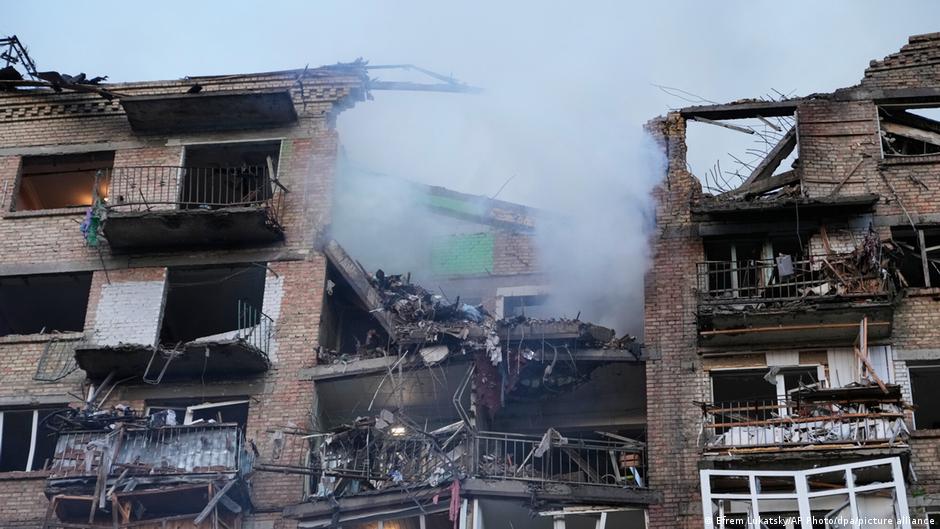
In the early hours of Sunday, May 24, Russian forces launched another large-scale attack on Ukrainian territory, predominantly targeting Kyiv and its surrounding oblast. The assault resulted in significant damage and casualties, with over 20 people injured, including several in critical condition.
Kyiv Mayor Vitali Klitschko reported that a drone struck a nine-story residential building in the Shevchenkivskyi district, killing one person and injuring at least 21 others. Thirteen victims were hospitalized, with three in serious condition. Additional drone impacts were recorded in residential buildings across multiple districts. In Shevchenkivskyi, a drone hit a multi-story building between the third and fourth floors; in Obolonskyi district to the north of Kyiv, a 16-story building was struck near the 12th and 13th floors; and in Solomianskyi district in the west, a drone impacted a 24-story building near the 20th floor.
Social media users have shared videos showing fires in the Solomianskyi district, attributed to falling debris from drones and rockets. Mayor Klitschko confirmed that debris from drones and missiles caused several fires in Kyiv and its suburbs.
Potential Use of Oreshnik Ballistic Missile Raises U.S. Security Concerns
According to reports from Times of Ukraine and various monitoring Telegram channels, the Russian military may have employed a medium-range ballistic missile known as "Oreshnik" against an unspecified target in Bila Tserkva, a city south of Kyiv. While official sources from Ukraine and Russia had not confirmed the missile's use at the time of reporting, multiple videos circulated on social media displayed characteristic signs of the Oreshnik missile's warhead separation and powerful explosions consistent with its deployment.
If confirmed, this would mark the third recorded use of the Oreshnik missile by Russian forces since the full-scale invasion began. Prior instances occurred in November 2024, when Russian President Vladimir Putin described the strike as a missile test, and in January 2026 targeting an object in Ukraine’s western Lviv region. Russian authorities claimed the January attack was retaliation for a supposed drone attack on Putin’s residence, a claim met with skepticism internationally, including from then-U.S. President Donald Trump.
"We call on Kyiv’s partners to respond to Russia’s provocations proactively, increasing pressure on Moscow to prevent further escalation," Ukrainian President Volodymyr Zelensky stated on May 23, referencing intelligence signals about Russia’s preparation for renewed missile attacks.
The recent developments highlight the escalating use of advanced missile technology in the conflict, posing heightened risks not only to Ukrainian civilians but also to the geopolitical and economic environment impacting U.S. interests and businesses operating in the region.
Implications for U.S. Businesses and Policy:
The intensification of missile attacks near Kyiv threatens the stability of Ukraine’s capital, a key hub for international companies and financial institutions. Increased military escalation could disrupt supply chains, energy markets, and investment climates that American businesses rely upon. Additionally, the potential deployment of advanced Russian ballistic missile systems underscores the urgency for Washington to reinforce sanctions, provide defensive support to Ukraine, and enhance diplomatic efforts to deter further Russian aggression.
The Biden administration and U.S. policymakers face mounting pressure to act preventively rather than reactively, as Ukrainian leadership urges. Such actions impact global markets, including energy prices and security assurances for American companies with stakes in Eastern Europe.