Russia Plans Temporary Export Restrictions on Diesel and Jet Fuel Amid Production Disruptions
Moscow considers a one- to two-month export ban on diesel and aviation kerosene, impacting global energy markets and US energy firms.
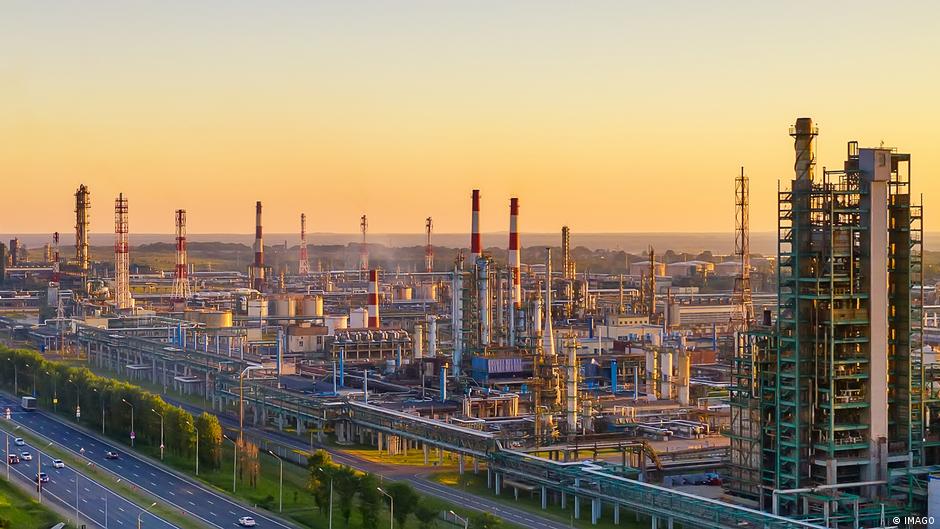
Russian authorities are reportedly preparing to impose temporary restrictions on the export of diesel fuel and aviation kerosene, a move that could last between one and two months. The decision, expected to be formalized soon by the Ministry of Economic Development, comes amid escalating disruptions at key Russian refineries caused by recent drone attacks.
Context of Export Controls and Production Challenges
Deputy Prime Minister Alexander Novak convened a meeting to assess the volatile fuel market situation. According to insiders, the government aims to coordinate efforts across federal agencies and energy companies to stabilize domestic fuel supplies. Export limitations on petroleum products have been recommended to mitigate shortages.
"It is necessary to maintain continuous monitoring and coordinate actions between federal bodies and industry players to promptly develop additional response measures if needed," Novak stated during the meeting.
Since April 1, Russia has enforced a full ban on gasoline exports, effective until July 31. Similar restrictions on diesel exports have been implemented intermittently since September 2023 to calm internal market fluctuations. However, this would be the first time Moscow enacts an embargo on aviation kerosene exports.
The move signals Moscow’s growing concern about securing fuel supplies domestically amid persistent operational setbacks. According to Reuters, nearly all major refineries in central Russia have had to halt or reduce fuel production following a series of drone attacks attributed to Ukrainian forces. These attacks have significantly impacted refining capacities, with affected plants representing over 83 million tonnes per year or approximately 238,000 tonnes per day.
This figure accounts for about a quarter of Russia’s total refining capacity, which includes over 30% of gasoline and roughly 25% of diesel output. Notably, the "Lukoil-Nizhegorodnefteorgsintez" refinery in Kstovo, one of Russia’s top five refineries, shut down more than half of its capacity after Ukrainian drone strikes on May 20.
Implications for US Energy Markets and Businesses
For American companies and policymakers, these developments warrant close attention due to their potential impact on global energy supply chains and commodity prices. The disruption of Russian fuel exports, particularly diesel and jet fuel, could tighten global markets and affect fuel prices, influencing transportation logistics and operational costs for US businesses reliant on these commodities.
Furthermore, the Russian government’s export restrictions underscore the geopolitical risks entwined with energy markets. US companies operating in or trading with Russian energy sectors may face heightened supply uncertainties and regulatory challenges. This situation could accelerate US and allied efforts to diversify fuel sources and reinforce energy security.
Energy market analysts suggest that the temporary export bans might create short-term supply deficits regionally and globally, potentially benefiting US producers but also posing risks of increased volatility. Policymakers in Washington may consider these shifts when strategizing energy diplomacy and domestic production policies in the near term.