Russia Proposes Expanding Military Recruitment to Include Convicted Criminals Amid Mobilization Efforts
Moscow seeks to broaden the pool of military contract recruits by allowing individuals convicted of serious crimes to enlist, raising concerns for US business and geopolitical stability.
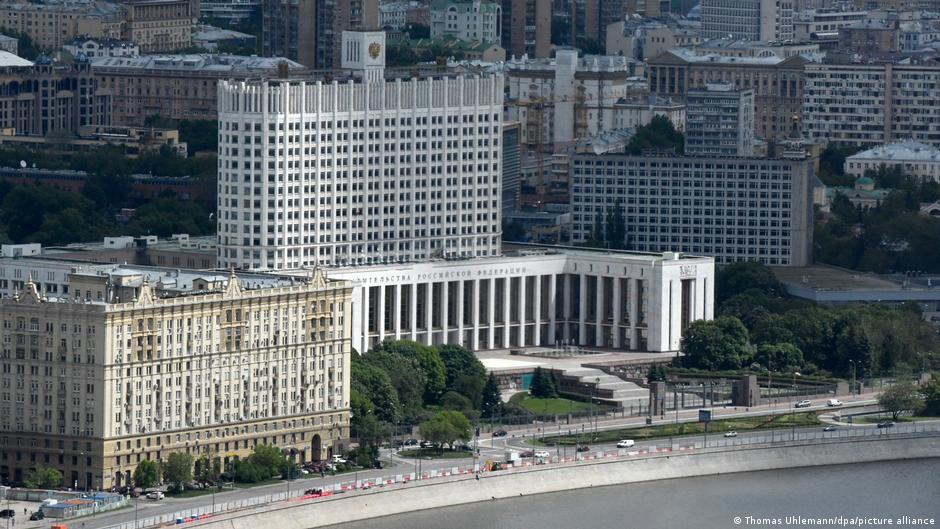
The Russian government has submitted a bill to the State Duma aimed at expanding the list of criminal offenses that do not disqualify individuals from signing military contracts with the Ministry of Defense during mobilization, martial law, or wartime. This legislative move includes allowing those convicted of serious crimes such as banditry and drug smuggling to enlist, signaling Moscow’s intensified efforts to bolster its military ranks amid ongoing conflict.
Broadening Recruitment Criteria Amid Military Pressures
The draft legislation, registered on July 17, proposes to amend Russia’s Criminal Code and the Federal Law on Military Duty and Service. It would permit people convicted under specific articles—including participation in banditry (Article 209, Part 2), organized crime (Article 210, Part 2), drug smuggling (Article 229.1), human trafficking, illegal acquisition and possession of nuclear materials, cash smuggling, and loss of classified documents—to enter into contracts with the Ministry of Defense.
The explanatory note attached to the proposed bill claims that these changes will not produce adverse socioeconomic or financial consequences, nor will they negatively affect government program objectives. However, critics argue that integrating individuals with serious criminal convictions into the military could raise discipline and operational risks, potentially undermining Russia’s military effectiveness.
“The expansion of allowed recruits to include convicted criminals highlights the Kremlin’s growing challenge in sustaining manpower for its military ambitions,” stated a defense analyst familiar with Russian conscription policies.
Since late 2022, Russia has been employing various measures to increase contract soldier numbers. These include debt forgiveness initiatives for new contractees, recruitment drives beyond Russia’s borders in countries like Belarus and China, and reports of forced conscription raids targeting men in regions such as Penza Oblast. Further, academic institutions like the Higher School of Economics have introduced programs that cover tuition costs for students who sign military contracts through university-affiliated military units.
Implications for US Businesses and Geopolitical Considerations
From a Washington perspective, the Russian government's legislative push reflects Moscow’s intensifying manpower shortages amid its ongoing conflict in Ukraine. This development may extend the duration and intensity of the conflict, adding layers of uncertainty for American companies operating in affected markets or dependent on commodities and supply chains influenced by Eurasian stability.
Heightened mobilization efforts could also strain Russia’s internal stability and economic resilience, factors that US policymakers and investors closely monitor. Escalation in military conscription tactics may lead to increased domestic unrest or impact regional economic activity, influencing global markets.
Moreover, the integration of convicts into the Russian military might signal a broader desperation within Moscow’s war strategy, potentially affecting the conflict’s trajectory and complicating diplomatic efforts. For US defense and intelligence agencies, tracking such personnel changes is critical for assessing Russian military capabilities and readiness.
As Russia continues to adapt its conscription policies, American businesses and policymakers should remain vigilant to the broader implications for geopolitical risk and global economic stability.