US Strikes on Iranian Infrastructure Escalate Tensions with Tehran Amid Regional Instability
Washington intensifies military actions in Iran targeting strategic assets, prompting Tehran's promises of retaliation and raising concerns for US businesses and geopolitical interests.
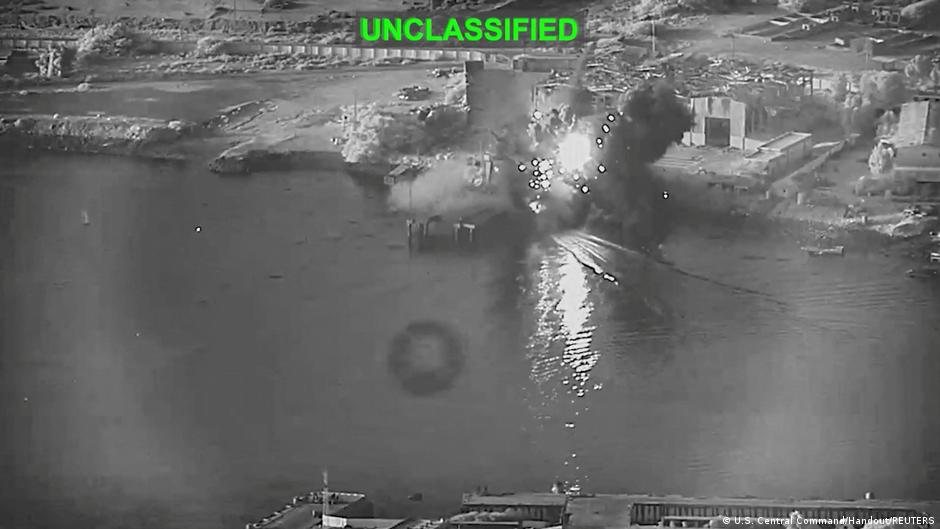
The United States launched a new series of military strikes against Iran aimed at further weakening the country’s military capabilities, according to official statements and regional reports. The attacks, which began on the evening of July 16, targeted a range of Iranian infrastructure including bridges, airports, and energy facilities.
US Central Command (CENTCOM) confirmed the resumption of strikes around 8 p.m. Berlin time, noting these operations have now continued for six consecutive nights. The objective outlined by CENTCOM is to degrade Iran’s military potential, signaling a deliberate escalation in American military pressure.
Impact on US Interests and Regional Stability
Iranian state media reported that the US strikes hit civilian infrastructure in Hormozgan province, including three bridges, a residential area in the port city of Bandar Abbas, and electrical substations on Kish Island in the Persian Gulf. Airports near Bandar Abbas and Iranshahr were also reportedly targeted. Furthermore, explosions were reported near Bushehr, home to Iran's only civilian nuclear power plant. Casualty reports include at least three dead and 15 wounded.
In response, Iran’s Islamic Revolutionary Guard Corps (IRGC) and the national military announced retaliatory operations against US military assets in the region. Iranian drone attacks reportedly targeted US helicopters and surveillance aircraft stationed at Bahrain’s Al-Sakhir airbase. Kuwaiti military officials confirmed their air defenses engaged incoming Iranian missiles and drones, while Bahrain activated security sirens to warn residents.
“The US strikes continue with the intent to further degrade Iran’s military capabilities, prompting Tehran to vow counterattacks on American assets in the region,” said a CENTCOM spokesperson.
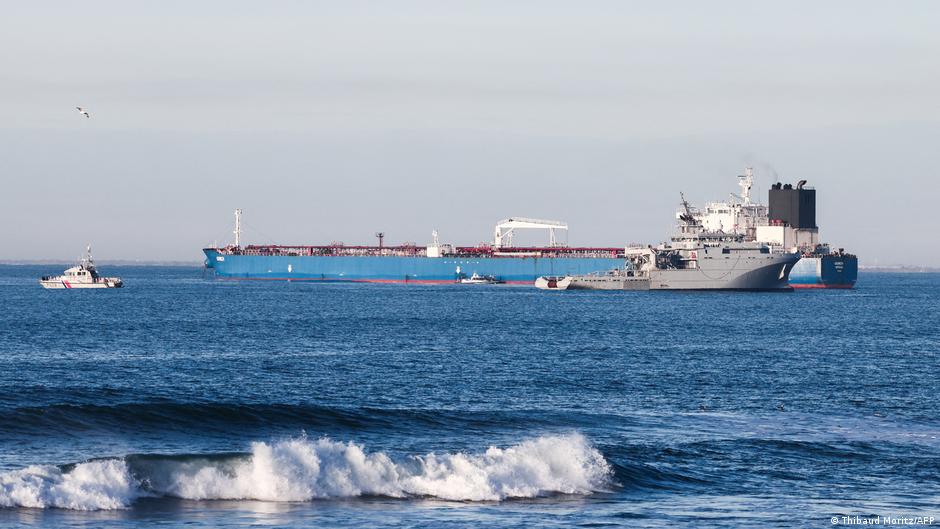
This escalation follows a fragile ceasefire agreement signed on June 17 that aimed to halt hostilities and lift blockades in the strategically vital Strait of Hormuz. However, the peace effort unraveled after an Iranian kamikaze drone attacked a commercial tanker on June 25, triggering US retaliatory strikes.
US President Donald Trump, speaking at the NATO summit in Ankara on July 8, declared the memorandum with Iran nullified. By July 13, he asserted US control over the Strait of Hormuz and vowed continued military pressure. Trump also threatened to target Iranian power plants and bridges should diplomatic efforts fail.
From the perspective of US business and political interests, these developments jeopardize regional energy supply routes and increase volatility in global oil markets, potentially impacting American energy companies and trade. The ongoing military conflict could disrupt shipping lanes critical to the global economy and elevate insurance and security costs for US firms operating in or near the Gulf.
Analysts warn that sustained conflict risks destabilizing the broader Middle East, complicating US diplomatic relations with regional allies and adversaries alike. American companies with supply chain or investment exposure in the region must prepare for heightened risk and uncertainty as Washington’s military campaign against Iran escalates.
As tensions mount, Washington faces the challenge of balancing aggressive military tactics with broader strategic objectives, including safeguarding US commercial interests and maintaining regional stability.