US Military Strikes Iranian Targets Amid Heightened Gulf Tensions Impacting Global Trade
US forces launch dual strikes on Iranian military and infrastructure targets, including a tanker, escalating regional risks for American companies and maritime commerce.
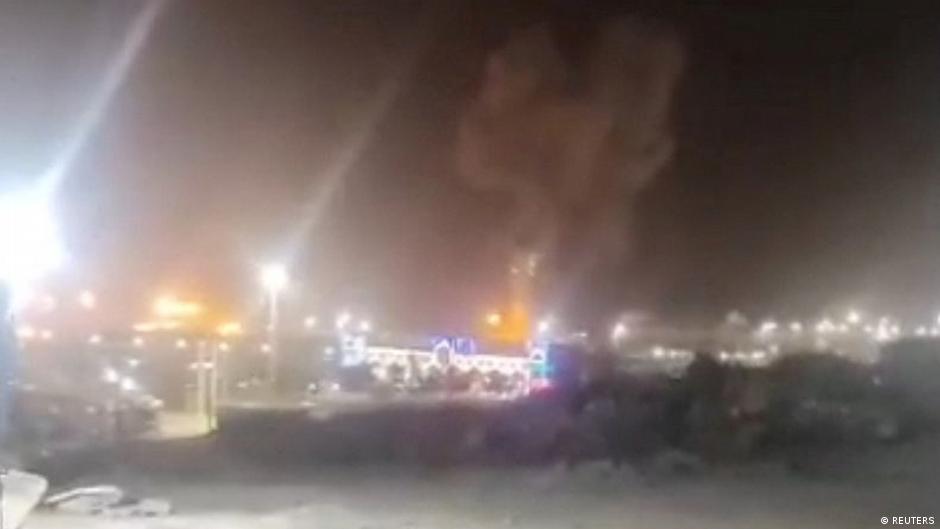
The United States military conducted two rounds of airstrikes against Iranian military and infrastructure sites on July 16, intensifying tensions in the Persian Gulf region with significant implications for US businesses and shipping operations.
Details of the US Strikes and Iranian Retaliation
The US Central Command (CENTCOM) reported that the initial wave targeted port facilities near Sirik on the Strait of Hormuz, a critical global shipping lane. Multiple air raids also struck the major port of Bandar Abbas and damaged a fishmeal plant on Qeshm Island, a key node in regional logistics.
Additional attacks were reported in the southwestern city of Ahvaz and in the southeastern provinces of Sistan and Baluchestan, hitting areas near Rasak and Kenarak ports. CENTCOM indicated the second wave aimed at Iranian command centers, air defense systems, missile and drone facilities, and coastal observation posts, seeking to diminish Iran's capacity to threaten commercial maritime crews.
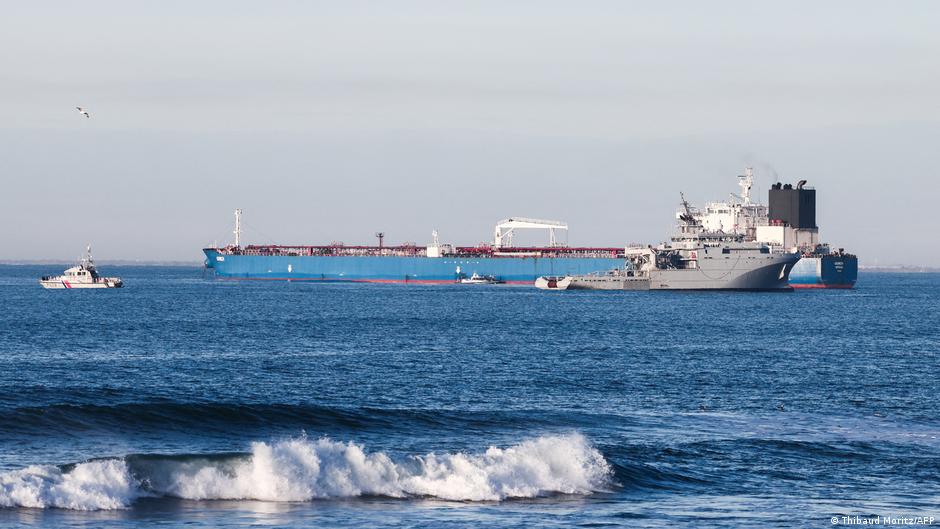
Separately, the US military disabled an unmanned Iranian oil tanker that attempted to breach a renewed US naval blockade of Iranian ports. The tanker, M/T Belma, flagged under Curaçao, was struck with Hellfire missiles after ignoring warnings while approaching Harg Island in the Persian Gulf.
Since reinstating the blockade on July 14, CENTCOM reports having redirected two commercial vessels and used force against one, underscoring the heightened US commitment to restricting Iran’s maritime activities.
In response, Iran launched attacks on US bases in Bahrain and Kuwait, with at least ten explosions reported near the US Navy’s Fifth Fleet headquarters in Bahrain and additional blasts at a US base in Kuwait. The strikes led to partial airspace closures over Saudi Arabia and Jordan. Iran also claimed to have shot down a US MQ-9 drone with its Islamic Revolutionary Guard Corps air defenses.
"This process will be very difficult, with many pauses and resumptions," said US Vice President JD Vance, reflecting on the complex trajectory of US-Iran relations amid these developments.
Implications for US Business and Maritime Security
The US military action and Iran's retaliatory attacks herald heightened risks for American companies with interests in energy, shipping, and regional trade routes. The Strait of Hormuz is a vital artery for global oil shipments, and disruptions threaten to increase insurance costs, delay cargo, and destabilize energy markets.
US commercial shipping firms face direct challenges navigating these contested waters amid renewed naval blockades and military confrontations. The escalation underscores the interplay between US foreign policy and commercial interests, as Washington balances economic sanctions and military deterrence to constrain Iran’s regional influence.
Vice President Vance emphasized a dual strategy combining economic pressure with diplomatic engagement targeting pragmatic Iranian officials, signaling a multifaceted approach aimed at reducing conflict risks while safeguarding US economic interests.
For American businesses, the current situation demands vigilant risk assessment and contingency planning as geopolitical volatility impacts supply chains and market stability across the Middle East.